THE ADVENTURE COLLECTIVE® · Independent discovery and booking for outdoor travel

Race across Washington University’s Danforth Campus using the Let’s Roam app—solve clues, snap photos, and explore Brookings Hall, Francis Field and hidden courtyards. This 2-hour, app-led walking hunt pairs light navigation with campus history and neighborhood discoveries.
Race across Washington University’s Danforth Campus using the Let’s Roam app—solve clues, snap photos, and explore Brookings Hall, Francis Field and hidden courtyards. This 2-hour, app-led walking hunt pairs light navigation with campus history and neighborhood discoveries.
A bright morning on Washington University's Danforth Campus feels like an invitation: red-brick facades, spires of Brookings Hall, and students threading between oaks while the game of the scavenger hunt begins. The Let’s Roam app hands teams a route; clues pull you toward Crow Observatory, Rudolph Hall, Francis Field and courtyards most visitors glance past. The campus hum becomes the course, and the city’s edges—Clayton’s tree-lined streets and nearby Forest Park—frame the search.
Verified experiences and guided adventures in the surrounding area.
Operated by Let's Roam · Clayton, Missouri
A bright morning on Washington University's Danforth Campus feels like an invitation: red-brick facades, spires of Brookings Hall, and students threading between oaks while the game of the scavenger hunt begins. The Let’s Roam app hands teams a route; clues pull you toward Crow Observatory, Rudolph Hall, Francis Field and courtyards most visitors glance past. The campus hum becomes the course, and the city’s edges—Clayton’s tree-lined streets and nearby Forest Park—frame the search.
Washington University dates to the mid-19th century and moved to the Danforth Campus in the early 20th; its stone and brick architecture reflects turn-of-the-century collegiate planning. Geologically, the campus sits on the western rim of the St. Louis plain, with Forest Park’s glacially scoured lowlands a short walk west—green corridors that funnel city wildlife like red-tailed hawks and industrious squirrels through the quads. Culturally, the area blends collegiate energy, neighborhood boutiques in Clayton, and the civic pulse of St. Louis just beyond.
Practically, expect two hours of on-foot navigation on paved paths, sidewalks and campus steps—roughly 2–3 miles depending on route and detours for photo challenges. The scavenger hunt is app-led and self-paced; bring a fully charged smartphone, comfortable shoes, water and a portable charger. Start in the morning to avoid crowds and to catch cooler temperatures; evening runs pick up campus lights and quieter streets. Accessibility-friendly routes exist, but some historic buildings require detours.
This scavenger hunt is as much about curiosity as clockwork: map-reading, quick decisions, and group banter make the campus feel newly discovered, while clear practical prep keeps the fun rolling.
moderate.
2 hours.
Moderately fit: comfortable walking 2–3 miles and climbing stairs intermittently; suitable for most active adults
Download the Let’s Roam app on your phone, log in, enter your TripAdvisor voucher under “3rd Party Vouchers,” then select the Washington U scavenger hunt to begin.
Much of the Danforth Campus uses paved walkways that are stroller and wheelchair accessible, but some historic buildings or grassy areas may require minor detours—plan an accessible route in the app if needed.
The activity is self-paced for small groups; typical hunts work well with pairs or teams up to 10, and last around two hours depending on how many detours and photo stops you take.
The tour is self-guided and runs in most conditions; heavy rain or severe weather will make outdoor clues uncomfortable—dress for weather, and note that refunds are final per booking policy.
Washington University was founded in 1853 and expanded to the Danforth Campus in the early 20th century; the campus architecture reflects that period’s collegiate planning and donor-driven growth.
Stick to paved paths, minimize photo impacts on plant beds and memorials, and pack out any trash—respect for the campus landscape helps keep this urban green space welcoming.
Let's Roam operates guided outdoor trips and adventures with an emphasis on safety, stewardship, and memorable experiences.

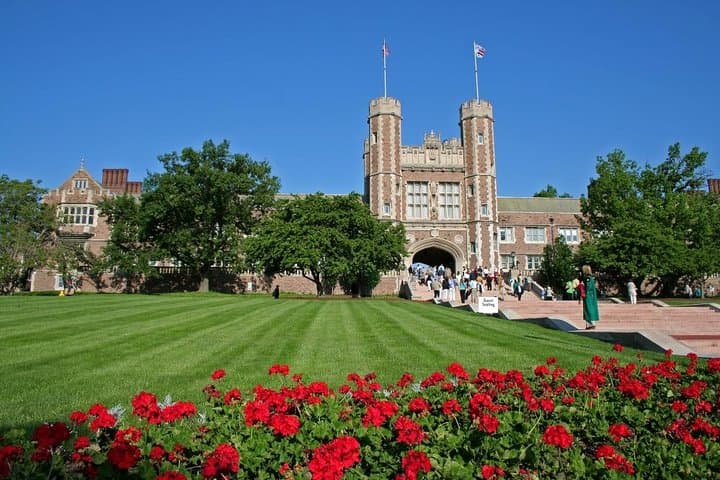


A bright morning on Washington University's Danforth Campus feels like an invitation: red-brick facades, spires of Brookings Hall, and students threading between oaks while the game of the scavenger hunt begins. The Let’s Roam app hands teams a route; clues pull you toward Crow Observatory, Rudolph Hall, Francis Field and courtyards most visitors glance past. The campus hum becomes the course, and the city’s edges—Clayton’s tree-lined streets and nearby Forest Park—frame the search.
A bright morning on Washington University's Danforth Campus feels like an invitation: red-brick facades, spires of Brookings Hall, and students threading between oaks while the game of the scavenger hunt begins. The Let’s Roam app hands teams a route; clues pull you toward Crow Observatory, Rudolph Hall, Francis Field and courtyards most visitors glance past. The campus hum becomes the course, and the city’s edges—Clayton’s tree-lined streets and nearby Forest Park—frame the search.
Washington University dates to the mid-19th century and moved to the Danforth Campus in the early 20th; its stone and brick architecture reflects turn-of-the-century collegiate planning. Geologically, the campus sits on the western rim of the St. Louis plain, with Forest Park’s glacially scoured lowlands a short walk west—green corridors that funnel city wildlife like red-tailed hawks and industrious squirrels through the quads. Culturally, the area blends collegiate energy, neighborhood boutiques in Clayton, and the civic pulse of St. Louis just beyond.
Practically, expect two hours of on-foot navigation on paved paths, sidewalks and campus steps—roughly 2–3 miles depending on route and detours for photo challenges. The scavenger hunt is app-led and self-paced; bring a fully charged smartphone, comfortable shoes, water and a portable charger. Start in the morning to avoid crowds and to catch cooler temperatures; evening runs pick up campus lights and quieter streets. Accessibility-friendly routes exist, but some historic buildings require detours.
This scavenger hunt is as much about curiosity as clockwork: map-reading, quick decisions, and group banter make the campus feel newly discovered, while clear practical prep keeps the fun rolling.