THE ADVENTURE COLLECTIVE® · Independent discovery and booking for outdoor travel

A private two-hour photo walk from Union Station through DC's most photographed civic spaces, ending in Georgetown. Expect coaching on framing and posing, easy logistics via public transit, and time to shoot signature landmarks without the rush of a large group.
A private two-hour photo walk from Union Station through DC's most photographed civic spaces, ending in Georgetown. Expect coaching on framing and posing, easy logistics via public transit, and time to shoot signature landmarks without the rush of a large group.
At the granite steps of Union Station, a camera strap clicks and the city spreads out in frames: the station's vaulted halls, the White House across Lafayette Square, the Capitol's dome catching late light. The tour moves at a photographer's pace—deliberate, observant, ready to pause.
Verified experiences and guided adventures in the surrounding area.
Operated by Haghia Sophia Mosaic Art Studio · Washington, District of Columbia
At the granite steps of Union Station, a camera strap clicks and the city spreads out in frames: the station's vaulted halls, the White House across Lafayette Square, the Capitol's dome catching late light. The tour moves at a photographer's pace—deliberate, observant, ready to pause.
The route traces Washington's political spine and older neighborhoods: Union Station (a 1908 Beaux-Arts landmark), Lafayette Square with its layered public memory, the Capitol grounds and the colonial streets of Georgetown. The urban fabric here mixes 19th-century row houses, federal-era monuments, and broad avenues laid out in L'Enfant's plan, offering hard angles and soft portraits alike.
On each stop the guide gives roughly twenty minutes of shooting time and coaching—framing, posing, and quick adjustments for changing light. Expect crowds near major landmarks; the photographer will look for quieter sight lines and rooftop perspectives when possible. The city's constant motion becomes part of the composition: taxis hum, fountains breathe, and wind along the Potomac pulls a ribbon of reflections.
Practical guidance leans toward comfort and control. Meet at Union Station; public transit and street-level wheelchair access make logistics simple. Bring a camera with a versatile zoom or a 35–50mm prime, a portable charger, and a light windbreaker for early-morning shoots. Aim for golden hour for portraits, mid-morning for clearer civic shots. The tour finishes in Georgetown, where cobbled streets and waterfront light make a final set. It’s private, adaptable, and paced for learning—ideal for photographers who want structure without hurry and practical feedback.
easy.
2 hours.
Suitable for most fitness levels; requires standing and walking on paved surfaces for up to two hours
The meeting point is the main entrance of Union Station; the guide will wait with a camera and a sign showing the lead traveler's name.
No prior experience required; the tour is suitable for beginners and hobbyists who want hands-on coaching.
Yes—the itinerary notes wheelchair-accessible routes and surfaces, though some Georgetown streets have cobbles and minor slopes.
Yes—this private tour is flexible and can focus more on portraits, architectural shots, or alternate nearby stops on request.
Union Station opened in the early 20th century as a major Beaux-Arts transport hub; the area's streets reference Pierre L'Enfant’s original plan for the capital.
Stay on sidewalks, avoid trampling green spaces, and skip drone use near federal buildings to respect security and preserve public landscapes.
Haghia Sophia Mosaic Art Studio operates guided outdoor trips and adventures with an emphasis on safety, stewardship, and memorable experiences.
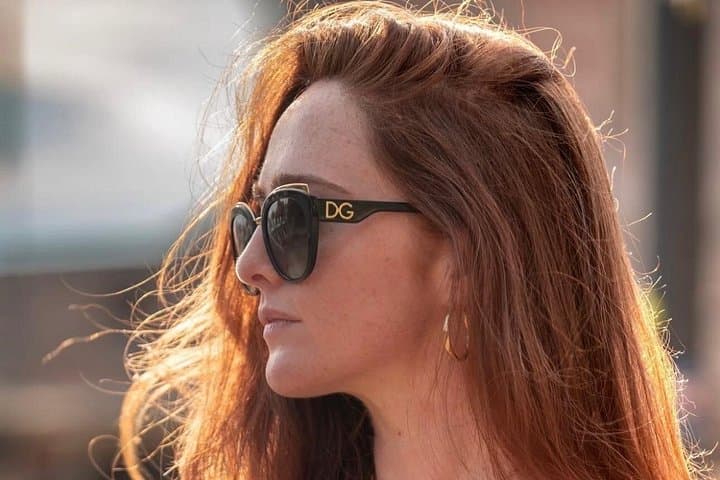
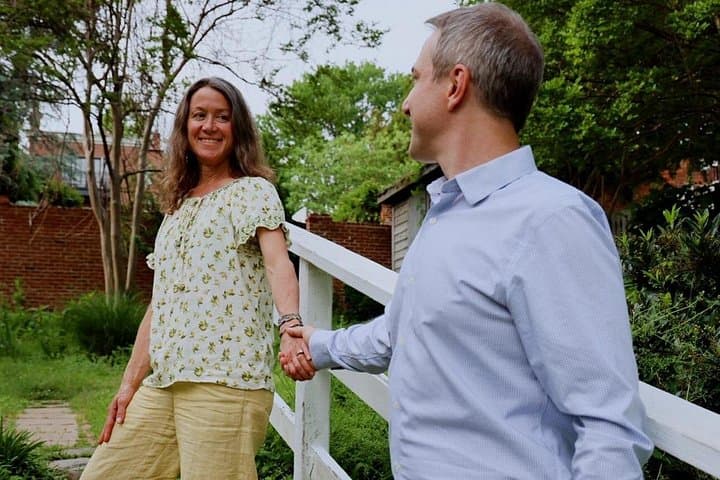
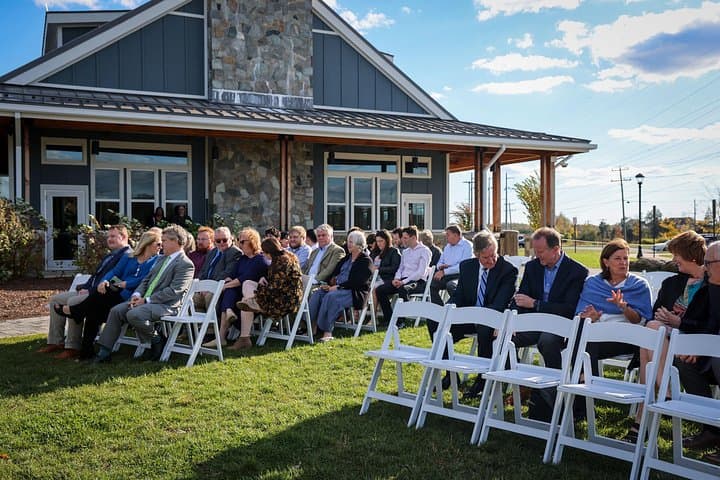
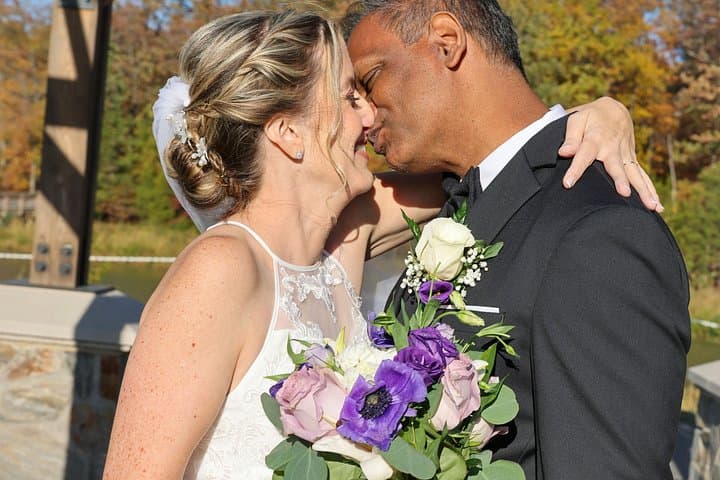
At the granite steps of Union Station, a camera strap clicks and the city spreads out in frames: the station's vaulted halls, the White House across Lafayette Square, the Capitol's dome catching late light. The tour moves at a photographer's pace—deliberate, observant, ready to pause.
At the granite steps of Union Station, a camera strap clicks and the city spreads out in frames: the station's vaulted halls, the White House across Lafayette Square, the Capitol's dome catching late light. The tour moves at a photographer's pace—deliberate, observant, ready to pause.
The route traces Washington's political spine and older neighborhoods: Union Station (a 1908 Beaux-Arts landmark), Lafayette Square with its layered public memory, the Capitol grounds and the colonial streets of Georgetown. The urban fabric here mixes 19th-century row houses, federal-era monuments, and broad avenues laid out in L'Enfant's plan, offering hard angles and soft portraits alike.
On each stop the guide gives roughly twenty minutes of shooting time and coaching—framing, posing, and quick adjustments for changing light. Expect crowds near major landmarks; the photographer will look for quieter sight lines and rooftop perspectives when possible. The city's constant motion becomes part of the composition: taxis hum, fountains breathe, and wind along the Potomac pulls a ribbon of reflections.
Practical guidance leans toward comfort and control. Meet at Union Station; public transit and street-level wheelchair access make logistics simple. Bring a camera with a versatile zoom or a 35–50mm prime, a portable charger, and a light windbreaker for early-morning shoots. Aim for golden hour for portraits, mid-morning for clearer civic shots. The tour finishes in Georgetown, where cobbled streets and waterfront light make a final set. It’s private, adaptable, and paced for learning—ideal for photographers who want structure without hurry and practical feedback.