THE ADVENTURE COLLECTIVE® · Independent discovery and booking for outdoor travel

See Washington’s monuments lit against the night sky on a comfortable 3-hour bus tour. Quiet plazas, reflective pools and bilingual narration bring the city’s history into sharp focus after dark.
See Washington’s monuments lit against the night sky on a comfortable 3-hour bus tour. Quiet plazas, reflective pools and bilingual narration bring the city’s history into sharp focus after dark.
The bus eases away from the Smithsonian Metro’s Knapp Arch into a corridor of light and stone. Streetlamps slice across the National Mall and monuments glow like stages set for history; reflections skip on the Tidal Basin, and the Potomac’s current pushes the city’s silhouette toward the horizon.
Verified experiences and guided adventures in the surrounding area.
Operated by RSN Tours · Washington, DC
The bus eases away from the Smithsonian Metro’s Knapp Arch into a corridor of light and stone. Streetlamps slice across the National Mall and monuments glow like stages set for history; reflections skip on the Tidal Basin, and the Potomac’s current pushes the city’s silhouette toward the horizon.
This three-hour loop threads more than two dozen memorials and landmarks — from the White House and Capitol to the Jefferson and Vietnam Veterans Memorials — with bilingual narration that places each site in its political and cultural context. The Mall itself sits atop layered geology: an ancient river floodplain sculpted by the Potomac, now paved and planted, where marble and granite monuments anchor stories of presidents, wars, and civil rights.
Culturally, a night tour changes the rhythm: fewer crowds at smaller plazas, amplified acoustics near reflecting pools, and a different intimacy with public art. Guides typically share concise histories — Civil War overviews, Lincoln-era anecdotes, and notes on 20th-century memorial design — helping riders connect architecture with events.
Practical details matter: tours use climate-controlled buses or vans and include water and phone chargers; expect frequent short stops for photos and short on-board commentary between sites. Bring a warm layer and a power bank; plan to arrive early at Smithsonian Metro to board smoothly. Photography at night requires steady hands or higher ISO settings; watch for traffic when crossing at stops. For a compact, efficient primer on the capital’s monuments after dark, this tour delivers context, visibility, and a measured pace that suits first-time visitors and repeat travelers alike.
easy.
3 hours.
Suitable for all fitness levels; mostly seated with brief, accessible stops
Pickup is at the Smithsonian Metro main entrance under the Knapp Arch next to the escalator; look for vehicles with the RSN Enterprises logo.
Yes — the operator notes stroller access and vehicles that can accommodate mobility needs; contact the company with specific accessibility requirements in advance.
No — the tour is a guided drive-and-stop experience; museum admissions are not included and most memorials are free to visit externally.
Full refunds are available if you cancel at least 24 hours before departure; check the exact policy for weather- or minimum-traveler cancellations.
Many stops trace the arc of American public memory — from Civil War monuments to 20th-century memorials that reflect evolving national values.
Respect memorial grounds after dark and limit flash photography at reflective pools; choosing an operator that uses modern, well-maintained vehicles reduces emissions and idling.
RSN Tours operates guided outdoor trips and adventures with an emphasis on safety, stewardship, and memorable experiences.
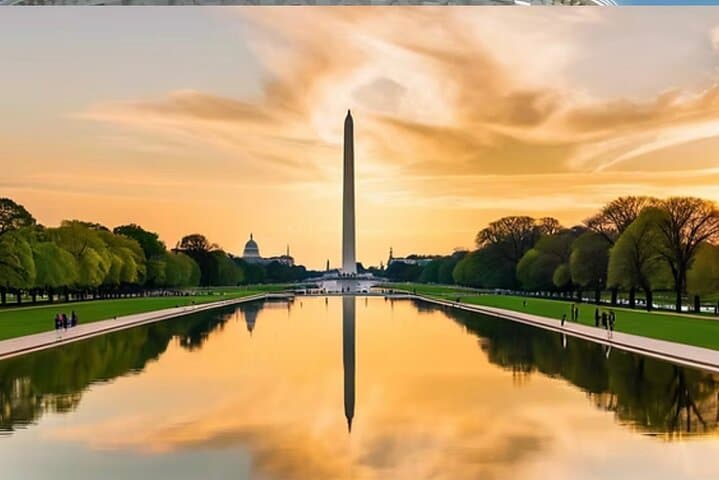
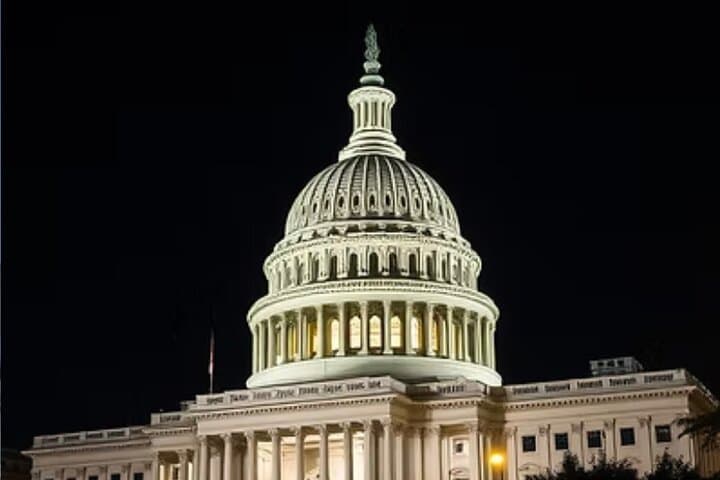
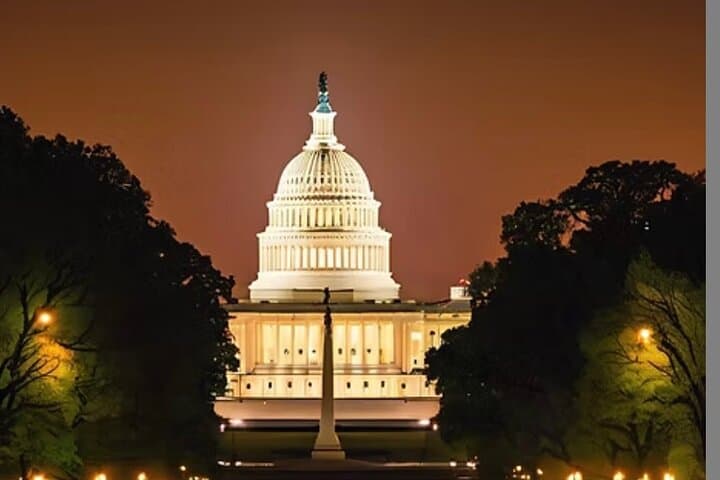
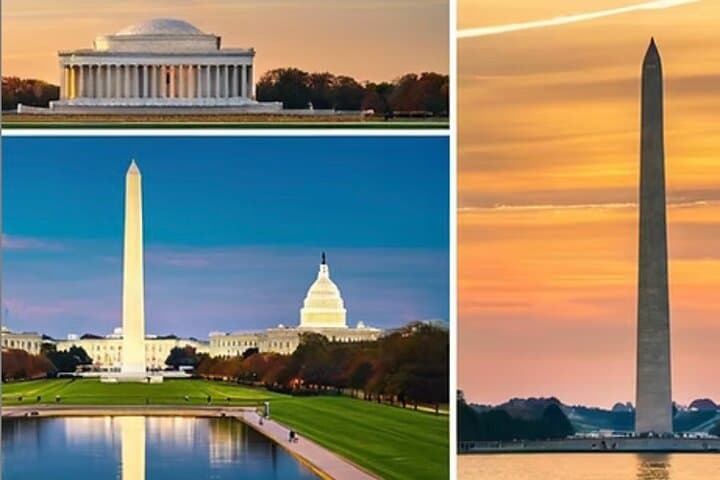
The bus eases away from the Smithsonian Metro’s Knapp Arch into a corridor of light and stone. Streetlamps slice across the National Mall and monuments glow like stages set for history; reflections skip on the Tidal Basin, and the Potomac’s current pushes the city’s silhouette toward the horizon.
The bus eases away from the Smithsonian Metro’s Knapp Arch into a corridor of light and stone. Streetlamps slice across the National Mall and monuments glow like stages set for history; reflections skip on the Tidal Basin, and the Potomac’s current pushes the city’s silhouette toward the horizon.
This three-hour loop threads more than two dozen memorials and landmarks — from the White House and Capitol to the Jefferson and Vietnam Veterans Memorials — with bilingual narration that places each site in its political and cultural context. The Mall itself sits atop layered geology: an ancient river floodplain sculpted by the Potomac, now paved and planted, where marble and granite monuments anchor stories of presidents, wars, and civil rights.
Culturally, a night tour changes the rhythm: fewer crowds at smaller plazas, amplified acoustics near reflecting pools, and a different intimacy with public art. Guides typically share concise histories — Civil War overviews, Lincoln-era anecdotes, and notes on 20th-century memorial design — helping riders connect architecture with events.
Practical details matter: tours use climate-controlled buses or vans and include water and phone chargers; expect frequent short stops for photos and short on-board commentary between sites. Bring a warm layer and a power bank; plan to arrive early at Smithsonian Metro to board smoothly. Photography at night requires steady hands or higher ISO settings; watch for traffic when crossing at stops. For a compact, efficient primer on the capital’s monuments after dark, this tour delivers context, visibility, and a measured pace that suits first-time visitors and repeat travelers alike.