THE ADVENTURE COLLECTIVE® · Independent discovery and booking for outdoor travel

Walk the National Mall with a design-minded guide and see the Washington Monument, Vietnam Veterans Memorial, Lincoln Memorial and newer memorials through the lens of architecture and politics. This two-hour tour pairs clear historical context with accessible, low-impact walking.
Walk the National Mall with a design-minded guide and see the Washington Monument, Vietnam Veterans Memorial, Lincoln Memorial and newer memorials through the lens of architecture and politics. This two-hour tour pairs clear historical context with accessible, low-impact walking.
The tour begins at the east face of the Washington Monument, where the city’s broad horizon seems to inhale and hold a century of intent. Asphalt and gravel paths unfurl west toward pools and pillared temples; the air carries the hush of marble steps and the occasional call of a gull over the Potomac.
Verified experiences and guided adventures in the surrounding area.
Operated by DC Design Tours · Washington, DC
The tour begins at the east face of the Washington Monument, where the city’s broad horizon seems to inhale and hold a century of intent. Asphalt and gravel paths unfurl west toward pools and pillared temples; the air carries the hush of marble steps and the occasional call of a gull over the Potomac.
This guided two-hour walk traces the Mall’s modern era—L’Enfant’s 18th‑century plan refined by 20th‑century memorial architects. You’ll learn how designers and politicians shaped stone into public memory: why the Lincoln Memorial sits like a civic temple, how the Vietnam Veterans Memorial’s low-cut wall alters sightlines, and how the Martin Luther King Jr. Memorial uses carved stone and orientation to frame a narrative.
Geology here is subtle: reclaimed marshland with landfill and engineered terraces, flat walking with minimal elevation change. Cultural context is immediate—site lines to the Capitol and the White House, inscriptions that invited public ritual, and periodic protests that keep the Mall a working civic space.
Expect paved promenades, brief stops at interpretive points, and ample opportunities for photography. The group covers roughly 1–2 miles total at a relaxed pace; surfaces are wheelchair and stroller accessible. Practical notes: arrive 10–15 minutes early at the Washington Monument east side, carry a refillable water bottle, and wear supportive shoes—the tour moves between sun and shade with little shelter. Mornings and late afternoons deliver the best light and quieter moments at the memorials. Respect quiet zones and follow the guide’s requests near contemplative monuments.
easy.
2 hours.
Light fitness; suitable for people comfortable with 1–2 miles of easy walking on paved surfaces.
Yes—paths and stops on this route are wheelchair accessible and suitable for strollers; notify the operator if special assistance is needed.
Expect about 1–2 miles total at an easy pace with multiple short stops for interpretation and photos.
Photography is allowed at outdoor memorials, but be respectful of quiet zones and people in reflection areas.
Public restrooms exist near major monuments and at the base of the Washington Monument area; plan a quick stop before the tour begins.
The Mall’s broad promenades follow Pierre L’Enfant’s plan and were later reshaped by the McMillan Plan and 20th‑century memorial commissions that emphasized axial views and civic ceremony.
Visitors are asked to stay on paths, avoid climbing any monuments, and carry out trash; the National Park Service manages the Mall with restoration projects to protect turf and monuments.
DC Design Tours operates guided outdoor trips and adventures with an emphasis on safety, stewardship, and memorable experiences.
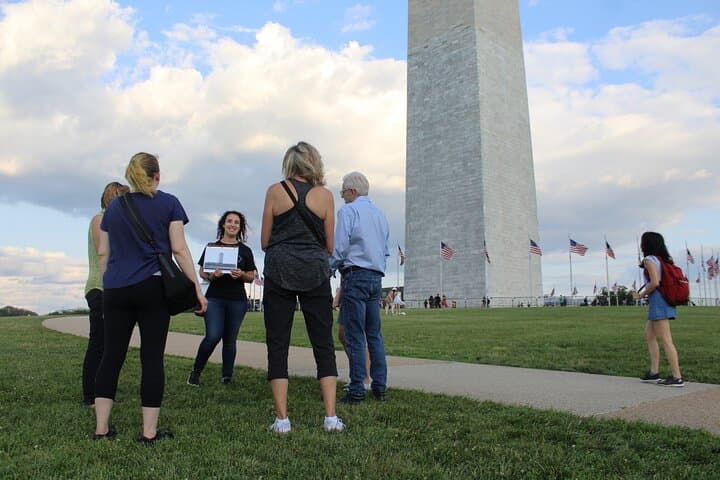
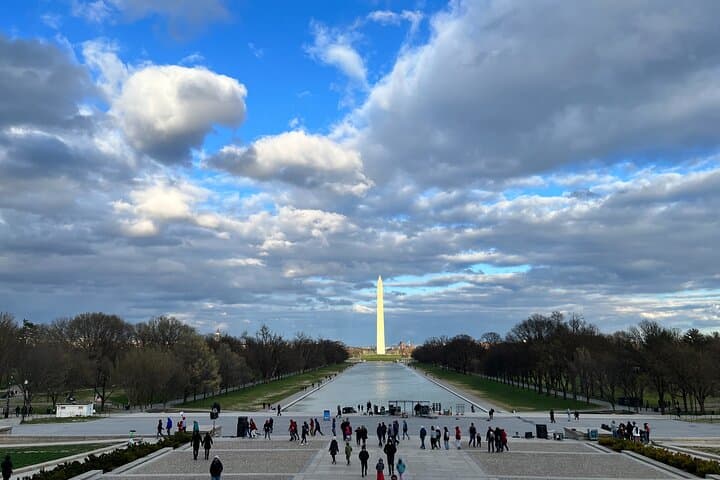

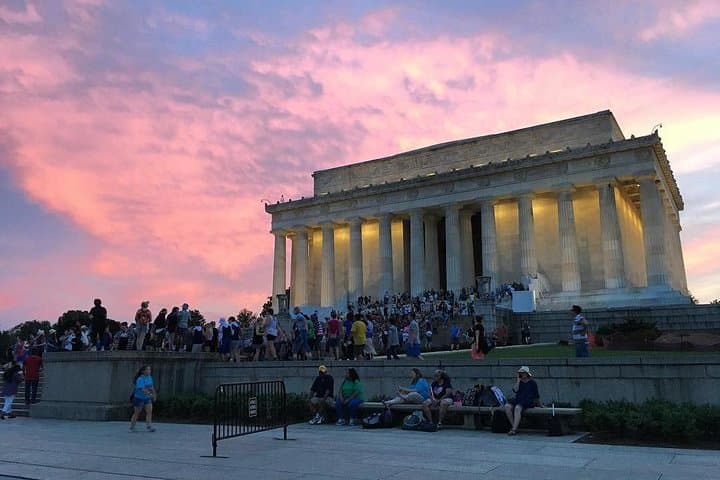
The tour begins at the east face of the Washington Monument, where the city’s broad horizon seems to inhale and hold a century of intent. Asphalt and gravel paths unfurl west toward pools and pillared temples; the air carries the hush of marble steps and the occasional call of a gull over the Potomac.
The tour begins at the east face of the Washington Monument, where the city’s broad horizon seems to inhale and hold a century of intent. Asphalt and gravel paths unfurl west toward pools and pillared temples; the air carries the hush of marble steps and the occasional call of a gull over the Potomac.
This guided two-hour walk traces the Mall’s modern era—L’Enfant’s 18th‑century plan refined by 20th‑century memorial architects. You’ll learn how designers and politicians shaped stone into public memory: why the Lincoln Memorial sits like a civic temple, how the Vietnam Veterans Memorial’s low-cut wall alters sightlines, and how the Martin Luther King Jr. Memorial uses carved stone and orientation to frame a narrative.
Geology here is subtle: reclaimed marshland with landfill and engineered terraces, flat walking with minimal elevation change. Cultural context is immediate—site lines to the Capitol and the White House, inscriptions that invited public ritual, and periodic protests that keep the Mall a working civic space.
Expect paved promenades, brief stops at interpretive points, and ample opportunities for photography. The group covers roughly 1–2 miles total at a relaxed pace; surfaces are wheelchair and stroller accessible. Practical notes: arrive 10–15 minutes early at the Washington Monument east side, carry a refillable water bottle, and wear supportive shoes—the tour moves between sun and shade with little shelter. Mornings and late afternoons deliver the best light and quieter moments at the memorials. Respect quiet zones and follow the guide’s requests near contemplative monuments.