THE ADVENTURE COLLECTIVE® · Independent discovery and booking for outdoor travel

Cover the National Mall in a single, well-paced day: monuments, memorials, and select Smithsonian museums with the convenience of private transportation. This driver-guided tour packs history, practical routing and photo-ready viewpoints into a 10–12 hour sweep of Washington, D.C.
Cover the National Mall in a single, well-paced day: monuments, memorials, and select Smithsonian museums with the convenience of private transportation. This driver-guided tour packs history, practical routing and photo-ready viewpoints into a 10–12 hour sweep of Washington, D.C.
The city opens like a map at dawn: avenues laid out in angles, bronze and marble catching first light, and a driver-guided van threading the National Mall with a steady, practiced calm. On this one-day tour, travelers move with intention—able to step out for a focused hour at the National Gallery, pause by the reflecting pool at the Lincoln Memorial, or drive past the White House while a guide points out architectural details and historical context.
Verified experiences and guided adventures in the surrounding area.
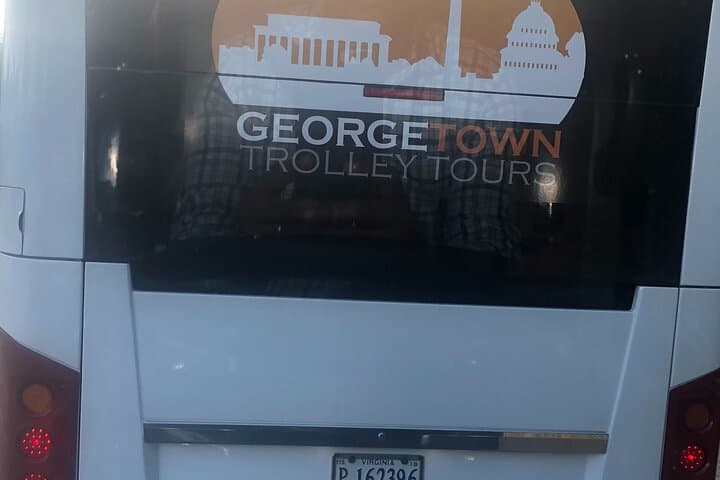
Operated by Georgetown Trolley Tours and Trans · Washington, DC
The city opens like a map at dawn: avenues laid out in angles, bronze and marble catching first light, and a driver-guided van threading the National Mall with a steady, practiced calm. On this one-day tour, travelers move with intention—able to step out for a focused hour at the National Gallery, pause by the reflecting pool at the Lincoln Memorial, or drive past the White House while a guide points out architectural details and historical context.
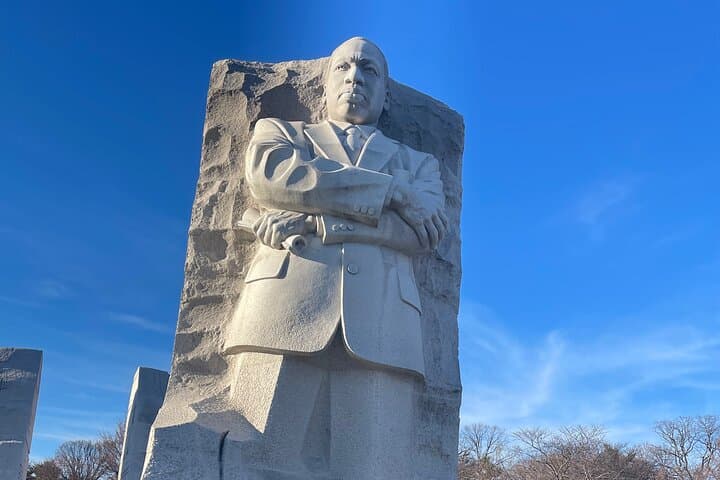
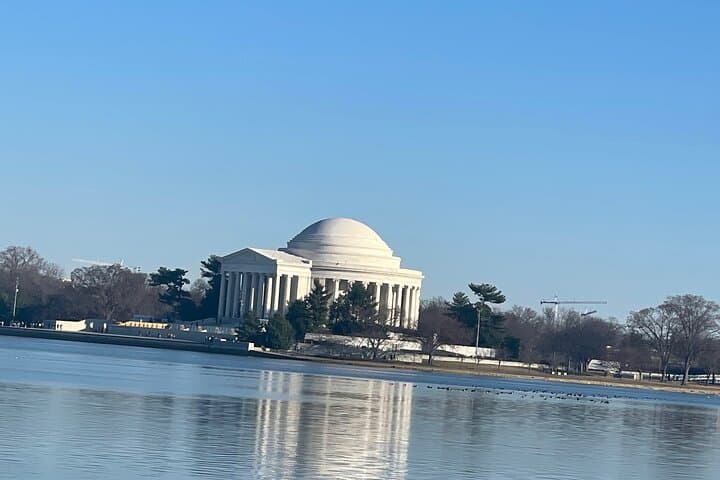
Washington’s monuments are geological in their permanence and human in their stories. The Mall itself sits on riverine sediment of the Potomac floodplain, an engineered public space shaped by L’Enfant’s 1791 plan and decades of ceremonial construction. Each memorial reflects a different national moment: Jefferson’s columns and the FDR memorial’s waterways narrate ideas; the Vietnam Veterans Wall makes memory tactile through names cut into darkness. Scattered between them are museums—Smithsonian institutions whose collections trace indigenous histories, natural sciences and the archives of governance.
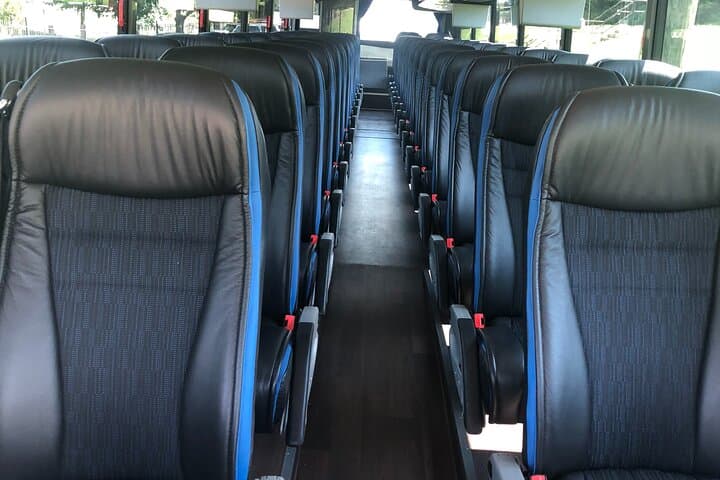
Culturally, this tour is a compact primer. Stops include the U.S. Capitol, National Gallery of Art, National Museum of the American Indian, and a string of war memorials along the Mall. Arlington National Cemetery and the White House are treated as exterior visits, offering respectful viewing rather than interior access. The vehicle provides the connective tissue: air-conditioned comfort between concentrated, often crowd-heavy sites, and local commentary on monuments, cherry blossoms in spring, and how memorial rituals evolve during national observances.
Practical considerations shape the experience. Expect a long day—about 10–12 hours—with 1–3 miles of walking spread across stops; much of the moving is by vehicle. Museums listed are free but may require timed entry or security screening; allow time for bag checks at the Capitol and increased foot traffic at popular viewpoints. Bring layered clothing for sudden temperature swings, a refillable water bottle to minimize lines at vendors, and a power bank for phones. If visiting during the cherry blossom season, arrive early at the Tidal Basin to avoid peak crowds and secure photos.
Timing transforms the tour: early morning light brightens monuments and thins crowds; late afternoon flattens relief and deepens shadows for dramatic photography. Guides will note which stops are quick pass-bys and which deserve a longer pause; some memorials are fifteen-minute reflections, others merit an hour. For travelers who want context, ask guides about the city’s urban planning, memorial controversies, or where to find quieter stretches of the Mall.
This driver-guided day is a practical option for first-time visitors or those short on time who still want a structured, interpretive sweep of Washington’s core. It trades deep museum immersion for a curated surface—enough history, architecture and civic story to orient and inspire a return visit with more time for inside tours.
easy.
10–12 hours.
Suitable for most fitness levels; involves short walks and standing for up to an hour at some sites.
Most Smithsonian museums are free but admission is not included in the tour price; the itinerary notes which stops are exterior-only.
No—some sites are short pass-bys while others include 15–60 minute on-foot visits; guides will indicate which are which.
Yes—multiple hotel pickup options are available; confirm your pickup point when booking and expect a short wait before departure.
The Capitol and special exhibitions may require timed entry or security screening; the guide will advise on any necessary reservations but plan extra time for checks.
Yes—stroller-accessible in the vehicle and the itinerary notes areas where strollers are manageable, though some memorial paths have steps or crowding.
The tour operates rain or shine; cancellation policies allow refunds if you cancel at least 24 hours in advance, but the provider does not automatically cancel for weather.
The National Mall evolved from Pierre L’Enfant’s 1791 plan into the ceremonial heart of American civic life; many memorials date from the early-to-mid 20th century reflecting changing public memory.
Keep to paved paths and official walkways—foot traffic and events strain lawn restoration efforts; carry out trash and use refill stations when possible.
Georgetown Trolley Tours and Trans operates guided outdoor trips and adventures with an emphasis on safety, stewardship, and memorable experiences.
The city opens like a map at dawn: avenues laid out in angles, bronze and marble catching first light, and a driver-guided van threading the National Mall with a steady, practiced calm. On this one-day tour, travelers move with intention—able to step out for a focused hour at the National Gallery, pause by the reflecting pool at the Lincoln Memorial, or drive past the White House while a guide points out architectural details and historical context.
The city opens like a map at dawn: avenues laid out in angles, bronze and marble catching first light, and a driver-guided van threading the National Mall with a steady, practiced calm. On this one-day tour, travelers move with intention—able to step out for a focused hour at the National Gallery, pause by the reflecting pool at the Lincoln Memorial, or drive past the White House while a guide points out architectural details and historical context.
Washington’s monuments are geological in their permanence and human in their stories. The Mall itself sits on riverine sediment of the Potomac floodplain, an engineered public space shaped by L’Enfant’s 1791 plan and decades of ceremonial construction. Each memorial reflects a different national moment: Jefferson’s columns and the FDR memorial’s waterways narrate ideas; the Vietnam Veterans Wall makes memory tactile through names cut into darkness. Scattered between them are museums—Smithsonian institutions whose collections trace indigenous histories, natural sciences and the archives of governance.
Culturally, this tour is a compact primer. Stops include the U.S. Capitol, National Gallery of Art, National Museum of the American Indian, and a string of war memorials along the Mall. Arlington National Cemetery and the White House are treated as exterior visits, offering respectful viewing rather than interior access. The vehicle provides the connective tissue: air-conditioned comfort between concentrated, often crowd-heavy sites, and local commentary on monuments, cherry blossoms in spring, and how memorial rituals evolve during national observances.
Practical considerations shape the experience. Expect a long day—about 10–12 hours—with 1–3 miles of walking spread across stops; much of the moving is by vehicle. Museums listed are free but may require timed entry or security screening; allow time for bag checks at the Capitol and increased foot traffic at popular viewpoints. Bring layered clothing for sudden temperature swings, a refillable water bottle to minimize lines at vendors, and a power bank for phones. If visiting during the cherry blossom season, arrive early at the Tidal Basin to avoid peak crowds and secure photos.
Timing transforms the tour: early morning light brightens monuments and thins crowds; late afternoon flattens relief and deepens shadows for dramatic photography. Guides will note which stops are quick pass-bys and which deserve a longer pause; some memorials are fifteen-minute reflections, others merit an hour. For travelers who want context, ask guides about the city’s urban planning, memorial controversies, or where to find quieter stretches of the Mall.
This driver-guided day is a practical option for first-time visitors or those short on time who still want a structured, interpretive sweep of Washington’s core. It trades deep museum immersion for a curated surface—enough history, architecture and civic story to orient and inspire a return visit with more time for inside tours.