THE ADVENTURE COLLECTIVE® · Independent discovery and booking for outdoor travel

Learn to move, read, and travel safely in Wasatch backcountry snow. This guided splitboard and ski education course mixes beacon drills, transitions, and uphill travel practice across 1,000–2,000 feet of terrain in a 4–6 hour field session.
Learn to move, read, and travel safely in Wasatch backcountry snow. This guided splitboard and ski education course mixes beacon drills, transitions, and uphill travel practice across 1,000–2,000 feet of terrain in a 4–6 hour field session.
Cold air tugs at the face as the guide clips into a splitboard and tests a beacon, and the Wasatch answers with a hush of falling snow. Participants gather at a canyon trailhead, breath steaming, boots stiff with overnight freeze; a line of tracks points toward open slopes where the course will teach how to move safely across unpatrolled terrain.
Verified experiences and guided adventures in the surrounding area.
Operated by Utah Adventures Unlimited · Alta, Utah
Cold air tugs at the face as the guide clips into a splitboard and tests a beacon, and the Wasatch answers with a hush of falling snow. Participants gather at a canyon trailhead, breath steaming, boots stiff with overnight freeze; a line of tracks points toward open slopes where the course will teach how to move safely across unpatrolled terrain.
The Wasatch Range rose with sharp faulting and glacial carving, its bowls and ridgelines shaped by uplift and ice. The Uinta-Wasatch-Cache National Forest protects forests and high basins that have fed Utah’s ski culture for a century—miners and early skiers set the first routes that modern backcountry travelers now follow. Locals prize early morning skintracks and respect avalanche terrain the same way they respect steep weather shifts.
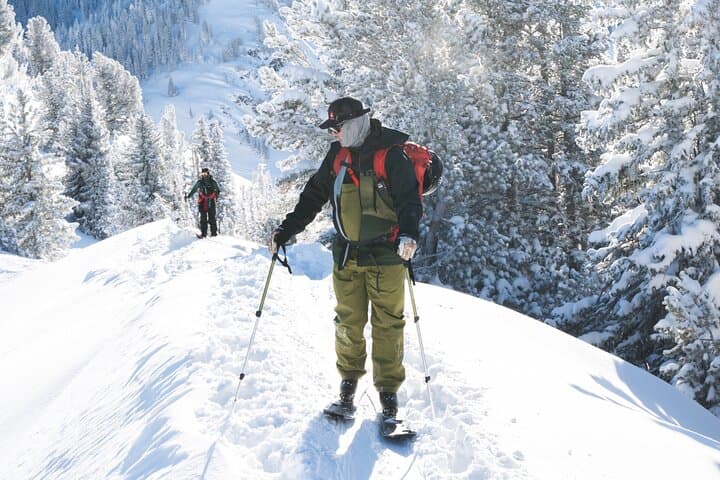
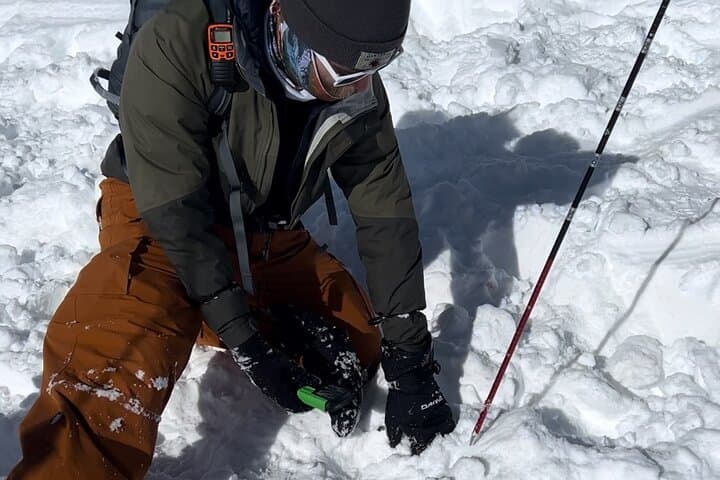
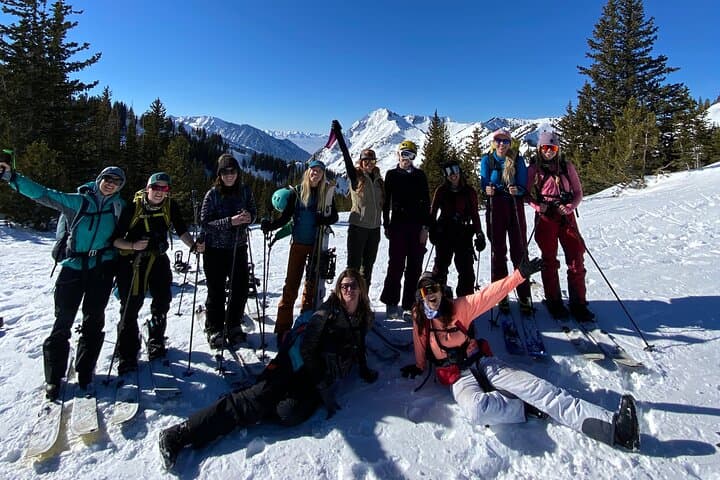
This 4–6 hour education course blends classroom drills and field practice: beacon searches, companion rescue, transceiver checks, route choice, skinning technique and efficient transitions. Expect 1,000–2,000 feet of uphill travel on varied winter snow—steep chutes, rolling benches and sheltered tree runs—at elevations commonly between 7,000–10,000 ft. Instructors tailor pacing for mixed ability groups and emphasize decision-making, weather interpretation and gear selection.
Practical planning matters: move early to avoid canyon traffic, layer for variable conditions, carry a charged phone and map/GPS, and hydrate even when cold. Participants should bring or rent a touring setup and a properly fitted beacon/probe/shovel; guides will coach technique but assume a moderate fitness baseline. The course is an efficient, hands-on way to gain the competence and confidence to explore Wasatch powder thoughtfully and safely.
moderate.
4–6 hours.
Participants should be able to skin uphill for 1,000–2,000 ft with breaks; basic aerobic fitness and ankle/leg strength recommended.
No—this course is designed for all skill levels, but participants should have basic downhill skills and a moderate fitness level.
Yes—practical beacon searches and companion rescue are core parts of the curriculum with hands-on practice in realistic scenarios.
Tours may be canceled or rescheduled for safety; guides adjust routes or start locations based on avalanche forecast and road/access conditions.
Many local shops rent splitboard or touring ski gear and avalanche kits—reserve in advance, and notify the operator of rental needs at booking.
The Wasatch Range was faulted and sculpted by glaciers; mining and early ski patrols in the 20th century established many of the routes now used for backcountry touring.
Practice leave-no-trace in fragile alpine zones, minimize skin-track proliferation, and travel with certified guides to reduce route impact and increase safety.
Utah Adventures Unlimited operates guided outdoor trips and adventures with an emphasis on safety, stewardship, and memorable experiences.
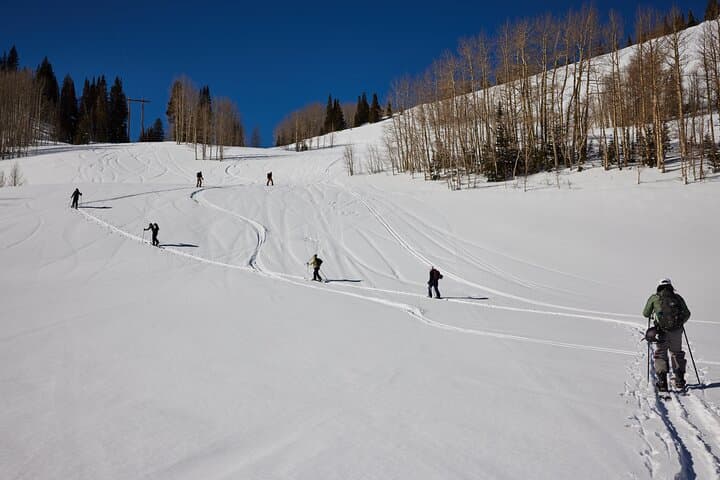
Cold air tugs at the face as the guide clips into a splitboard and tests a beacon, and the Wasatch answers with a hush of falling snow. Participants gather at a canyon trailhead, breath steaming, boots stiff with overnight freeze; a line of tracks points toward open slopes where the course will teach how to move safely across unpatrolled terrain.
Cold air tugs at the face as the guide clips into a splitboard and tests a beacon, and the Wasatch answers with a hush of falling snow. Participants gather at a canyon trailhead, breath steaming, boots stiff with overnight freeze; a line of tracks points toward open slopes where the course will teach how to move safely across unpatrolled terrain.
The Wasatch Range rose with sharp faulting and glacial carving, its bowls and ridgelines shaped by uplift and ice. The Uinta-Wasatch-Cache National Forest protects forests and high basins that have fed Utah’s ski culture for a century—miners and early skiers set the first routes that modern backcountry travelers now follow. Locals prize early morning skintracks and respect avalanche terrain the same way they respect steep weather shifts.
This 4–6 hour education course blends classroom drills and field practice: beacon searches, companion rescue, transceiver checks, route choice, skinning technique and efficient transitions. Expect 1,000–2,000 feet of uphill travel on varied winter snow—steep chutes, rolling benches and sheltered tree runs—at elevations commonly between 7,000–10,000 ft. Instructors tailor pacing for mixed ability groups and emphasize decision-making, weather interpretation and gear selection.
Practical planning matters: move early to avoid canyon traffic, layer for variable conditions, carry a charged phone and map/GPS, and hydrate even when cold. Participants should bring or rent a touring setup and a properly fitted beacon/probe/shovel; guides will coach technique but assume a moderate fitness baseline. The course is an efficient, hands-on way to gain the competence and confidence to explore Wasatch powder thoughtfully and safely.