THE ADVENTURE COLLECTIVE® · Independent discovery and booking for outdoor travel

Walk the streets where wartime decisions were made and discover Westminster’s wartime stories with a local guide. This 1.5–3 hour walking tour covers Parliament, Westminster Abbey, Whitehall and ends at the Churchill War Rooms.
Walk the streets where wartime decisions were made and discover Westminster’s wartime stories with a local guide. This 1.5–3 hour walking tour covers Parliament, Westminster Abbey, Whitehall and ends at the Churchill War Rooms.
Stand on a stretch of Whitehall and you can feel the city holding its breath—the stone facades still bearing the scuffs of blackout nights and the river Thames daring the skyline to forget. This walking tour threads through Westminster’s wartime pulse: Parliament’s hushed chambers, the ragged edges of Blitz-hit streets, and the final stop outside the Churchill War Rooms, where strategy sat below ground as bombs fell above.
Verified experiences and guided adventures in the surrounding area.
Operated by Urban Saunters · London, Greater London
Stand on a stretch of Whitehall and you can feel the city holding its breath—the stone facades still bearing the scuffs of blackout nights and the river Thames daring the skyline to forget. This walking tour threads through Westminster’s wartime pulse: Parliament’s hushed chambers, the ragged edges of Blitz-hit streets, and the final stop outside the Churchill War Rooms, where strategy sat below ground as bombs fell above.
London’s role in WWII is both civic and geological: the Thames shaped transport and targets while the dense London clay held fast beneath shelters and bunkers. Cultural memory lives in memorials and in names etched on the Cenotaph; the tour highlights how decisions in ministry offices and whispered orders on cobbled lanes kept a nation moving. Guides emphasize civilian resilience—rationing, ARP wardens, and the quiet labor of volunteers who kept hospitals and services running.
Practical guidance is straightforward. Expect 1.5–3 hours of mostly flat walking with frequent stops for stories and photos. The route is suitable for strollers and casual walkers but includes cobbles and short crossings; wear supportive shoes and carry a rain layer—London weather shifts quickly. Book a timed entry if you plan to visit the Churchill War Rooms afterward; the guided walk ends directly outside the entrance. Bring an Oyster card or contactless payment for easy travel before or after the tour, and arrive 10 minutes early to locate the meeting spot in central Westminster. This is a tour for listeners who want context as much as views—history explained, not romanticized, with clear logistics to get you there and back.
easy.
1.5–3 hours.
Light fitness—able to stand and walk intermittently for up to three hours on mostly flat city streets
No—this guided walk ends outside the entrance; book a separate timed ticket if you want to tour the War Rooms.
The tour runs about 1.5–3 hours with frequent stops; walking distance is short to moderate across central Westminster, mostly flat.
Yes—strollers are accessible and the route is family-friendly, though cobbles may be bumpy in places.
Full refunds are available if you cancel at least 24 hours before the scheduled departure; check your booking for specifics.
Westminster was the command center of Britain’s civil and military response during WWII—ministries, Parliament and the underground Cabinet War Rooms were central to strategy and morale.
Respect memorials and fenced monuments; stick to paths, avoid climbing on statues and use public bins to reduce litter around sensitive historic sites.
Urban Saunters operates guided outdoor trips and adventures with an emphasis on safety, stewardship, and memorable experiences.
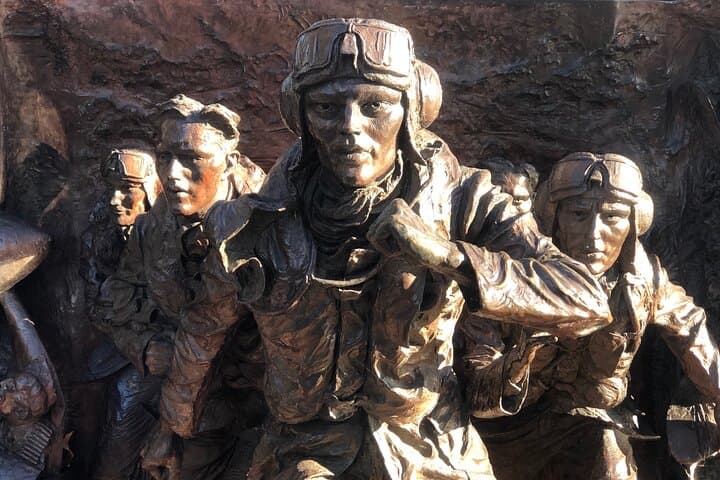
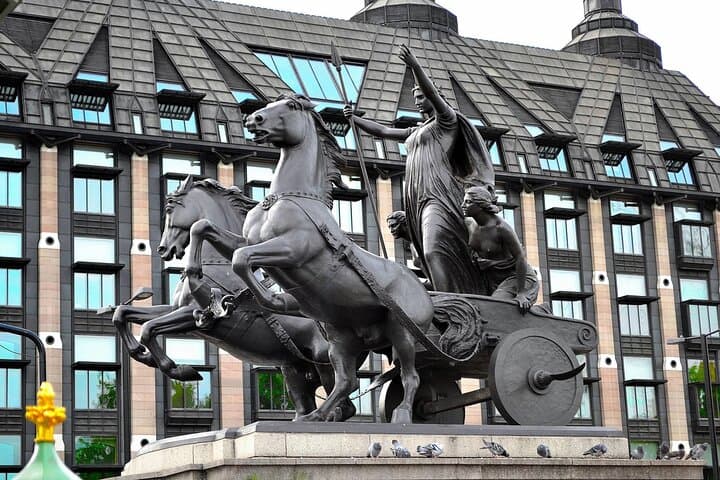
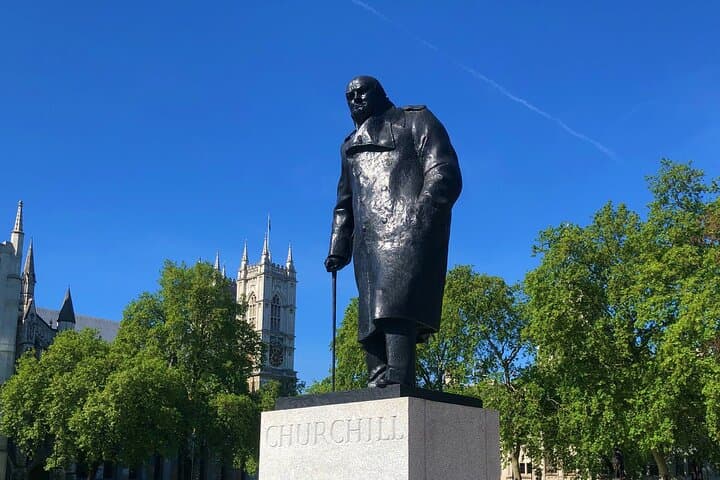
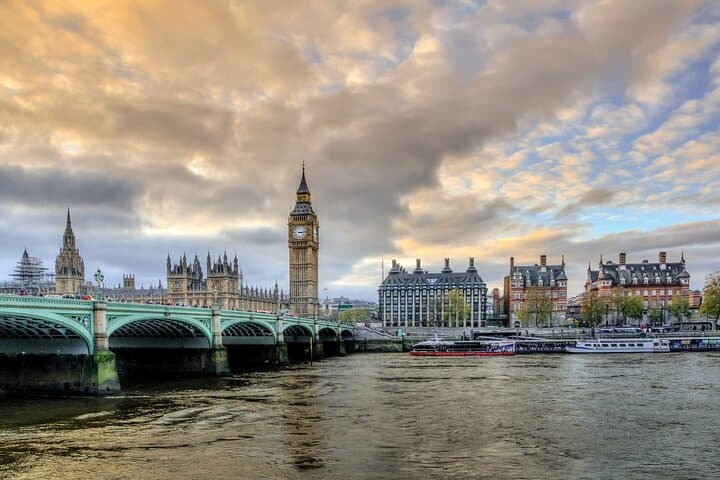
Stand on a stretch of Whitehall and you can feel the city holding its breath—the stone facades still bearing the scuffs of blackout nights and the river Thames daring the skyline to forget. This walking tour threads through Westminster’s wartime pulse: Parliament’s hushed chambers, the ragged edges of Blitz-hit streets, and the final stop outside the Churchill War Rooms, where strategy sat below ground as bombs fell above.
Stand on a stretch of Whitehall and you can feel the city holding its breath—the stone facades still bearing the scuffs of blackout nights and the river Thames daring the skyline to forget. This walking tour threads through Westminster’s wartime pulse: Parliament’s hushed chambers, the ragged edges of Blitz-hit streets, and the final stop outside the Churchill War Rooms, where strategy sat below ground as bombs fell above.
London’s role in WWII is both civic and geological: the Thames shaped transport and targets while the dense London clay held fast beneath shelters and bunkers. Cultural memory lives in memorials and in names etched on the Cenotaph; the tour highlights how decisions in ministry offices and whispered orders on cobbled lanes kept a nation moving. Guides emphasize civilian resilience—rationing, ARP wardens, and the quiet labor of volunteers who kept hospitals and services running.
Practical guidance is straightforward. Expect 1.5–3 hours of mostly flat walking with frequent stops for stories and photos. The route is suitable for strollers and casual walkers but includes cobbles and short crossings; wear supportive shoes and carry a rain layer—London weather shifts quickly. Book a timed entry if you plan to visit the Churchill War Rooms afterward; the guided walk ends directly outside the entrance. Bring an Oyster card or contactless payment for easy travel before or after the tour, and arrive 10 minutes early to locate the meeting spot in central Westminster. This is a tour for listeners who want context as much as views—history explained, not romanticized, with clear logistics to get you there and back.