THE ADVENTURE COLLECTIVE® · Independent discovery and booking for outdoor travel

Explore Warsaw’s recent and long‑term past in a focused four‑hour small‑group tour. Visit the Warsaw Uprising Museum’s 1944 reconstruction and POLIN’s multimedia history of Jews in Poland, with pick‑up, transport and multilingual audio guides included.
Explore Warsaw’s recent and long‑term past in a focused four‑hour small‑group tour. Visit the Warsaw Uprising Museum’s 1944 reconstruction and POLIN’s multimedia history of Jews in Poland, with pick‑up, transport and multilingual audio guides included.
A brisk Warsaw morning puts you on a low-slung van threading between reconstructed tenement blocks and the Vistula’s grey ribbon, the city’s scars and resilience visible in brick and pavement. In four hours the tour drops you into two very different time‑machines: the Warsaw Uprising Museum’s visceral reconstruction of 1944 and POLIN’s layered account of centuries of Jewish life in Poland.
Verified experiences and guided adventures in the surrounding area.
Operated by Visiting-Warsaw.Com · Warsaw, Masovian Voivodeship
A brisk Warsaw morning puts you on a low-slung van threading between reconstructed tenement blocks and the Vistula’s grey ribbon, the city’s scars and resilience visible in brick and pavement. In four hours the tour drops you into two very different time‑machines: the Warsaw Uprising Museum’s visceral reconstruction of 1944 and POLIN’s layered account of centuries of Jewish life in Poland.
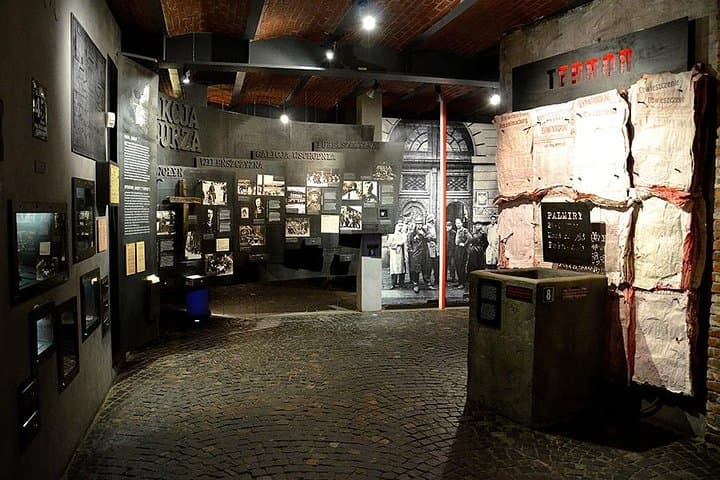
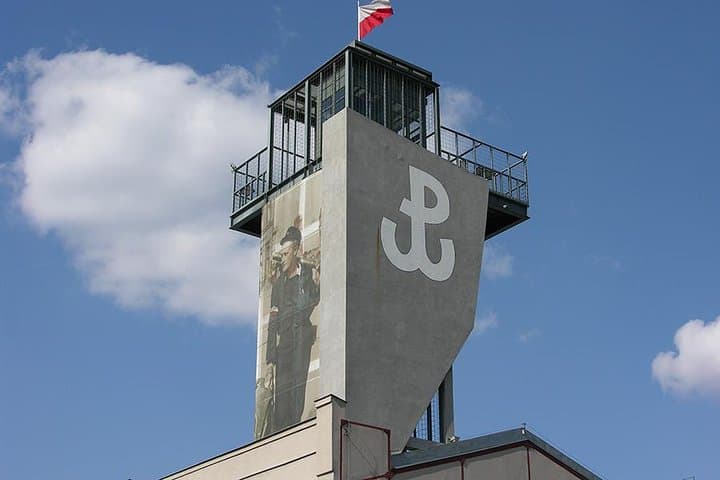
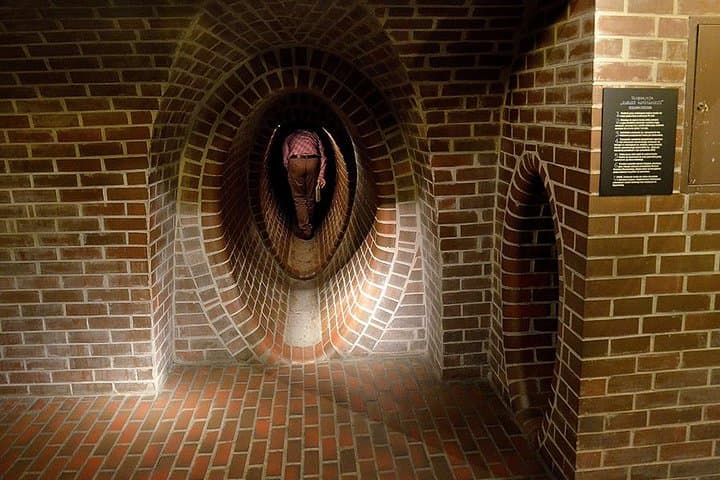
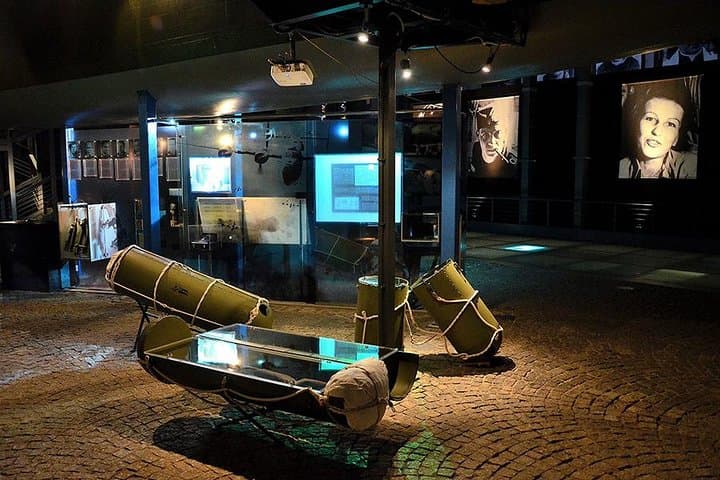
The Uprising Museum uses uniforms, radio recordings and a 3D flyover to show how a modern European capital was almost erased and how a youth‑led insurrection unfolded amid ruin. POLIN moves through medieval commerce, Enlightenment-era coexistence, and modern cultural life with multimedia displays and a virtual library that brings Hebrew and Yiddish texts into interactive view.
Geology here matters only as the city’s clay and riverbanks shaped settlement and rebuilds; culturally, both sites foreground Warsaw’s role as a crossroads—where Polish, Jewish and European histories collide and converge. Expect thoughtful curation rather than triumphalism: both museums emphasize human stories and contested memory.
Practical notes: the tour is small‑group (max ~15), includes door‑to‑door transport in cars/vans, and provides multilingual audio guides. Plan comfortable walking shoes and 3–4 hours of time, arrive early to avoid morning crowds, and allow extra time afterward for a coffee on the Vistula bank or a short walk through Praga.
Accessibility is strong—wheelchair friendly transport and exhibits—but bring a charged phone for multimedia audio and a light layer for variable indoor temperatures.
easy.
3–4 hours.
Suitable for general fitness — light walking and standing for exhibit viewing.
Yes — entrance to the Warsaw Uprising Museum and POLIN Museum is included in the tour price as stated in the itinerary.
Door‑to‑door transport from your hotel or apartment is included using cars/vans (maximum 8 per vehicle during transfers).
Audio guides are offered in many languages; check availability when booking—the tour lists numerous language options including English, Spanish, German and Hebrew.
Yes — both transportation and museum spaces are wheelchair accessible; please notify the operator of specific needs when booking.
Warsaw was largely destroyed during and after the 1944 Uprising; both museums examine wartime events and the subsequent reshaping of Polish social and cultural life.
Both institutions emphasize preservation and respectful engagement—avoid touching artifacts, follow exhibit rules, and consider supporting museum conservation efforts.
Visiting-Warsaw.Com operates guided outdoor trips and adventures with an emphasis on safety, stewardship, and memorable experiences.
A brisk Warsaw morning puts you on a low-slung van threading between reconstructed tenement blocks and the Vistula’s grey ribbon, the city’s scars and resilience visible in brick and pavement. In four hours the tour drops you into two very different time‑machines: the Warsaw Uprising Museum’s visceral reconstruction of 1944 and POLIN’s layered account of centuries of Jewish life in Poland.
A brisk Warsaw morning puts you on a low-slung van threading between reconstructed tenement blocks and the Vistula’s grey ribbon, the city’s scars and resilience visible in brick and pavement. In four hours the tour drops you into two very different time‑machines: the Warsaw Uprising Museum’s visceral reconstruction of 1944 and POLIN’s layered account of centuries of Jewish life in Poland.
The Uprising Museum uses uniforms, radio recordings and a 3D flyover to show how a modern European capital was almost erased and how a youth‑led insurrection unfolded amid ruin. POLIN moves through medieval commerce, Enlightenment-era coexistence, and modern cultural life with multimedia displays and a virtual library that brings Hebrew and Yiddish texts into interactive view.
Geology here matters only as the city’s clay and riverbanks shaped settlement and rebuilds; culturally, both sites foreground Warsaw’s role as a crossroads—where Polish, Jewish and European histories collide and converge. Expect thoughtful curation rather than triumphalism: both museums emphasize human stories and contested memory.
Practical notes: the tour is small‑group (max ~15), includes door‑to‑door transport in cars/vans, and provides multilingual audio guides. Plan comfortable walking shoes and 3–4 hours of time, arrive early to avoid morning crowds, and allow extra time afterward for a coffee on the Vistula bank or a short walk through Praga.
Accessibility is strong—wheelchair friendly transport and exhibits—but bring a charged phone for multimedia audio and a light layer for variable indoor temperatures.