THE ADVENTURE COLLECTIVE® · Independent discovery and booking for outdoor travel

Explore Warsaw’s wartime and cultural history on a private four-hour tour that pairs the Warsaw Uprising Museum with the POLIN Museum of the History of Polish Jews. Door-to-door transport and multilingual audio guides make complex history accessible in one concentrated visit.
Explore Warsaw’s wartime and cultural history on a private four-hour tour that pairs the Warsaw Uprising Museum with the POLIN Museum of the History of Polish Jews. Door-to-door transport and multilingual audio guides make complex history accessible in one concentrated visit.
You step out of the car onto a broad city street and the modern glass of POLIN sits across from austere brick facades that still carry the weight of 20th-century Warsaw. The driver waits; the guide affords a moment to breathe before two very different museums pull you into the same story — loss, resilience and culture.
Verified experiences and guided adventures in the surrounding area.
Operated by Visiting-Warsaw.Com · Warsaw, Masovian Voivodeship
You step out of the car onto a broad city street and the modern glass of POLIN sits across from austere brick facades that still carry the weight of 20th-century Warsaw. The driver waits; the guide affords a moment to breathe before two very different museums pull you into the same story — loss, resilience and culture.
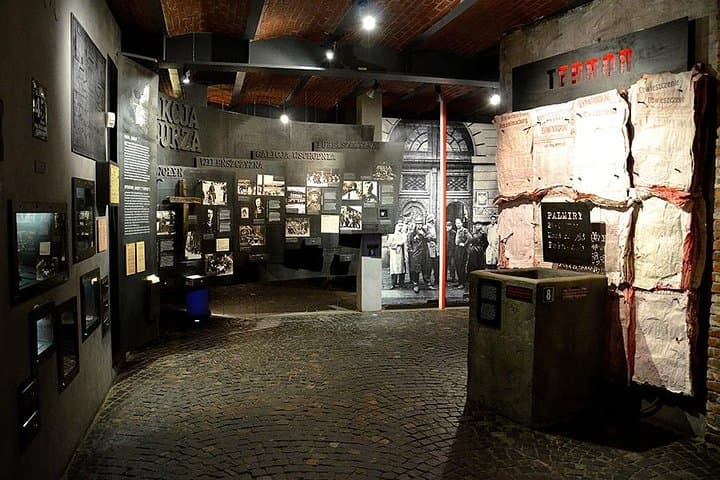
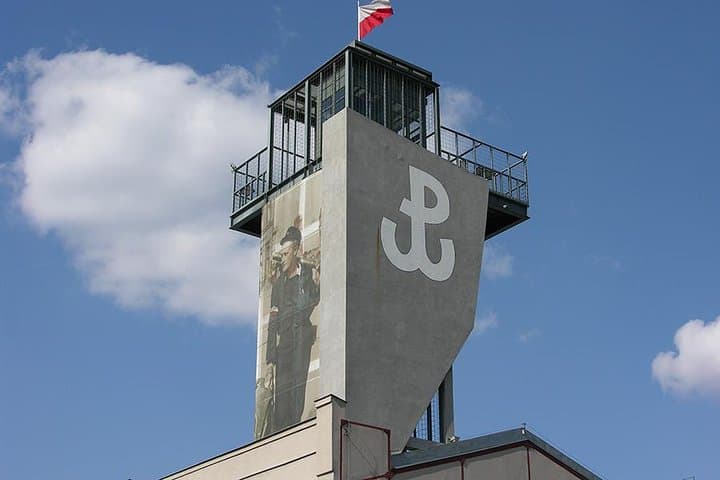
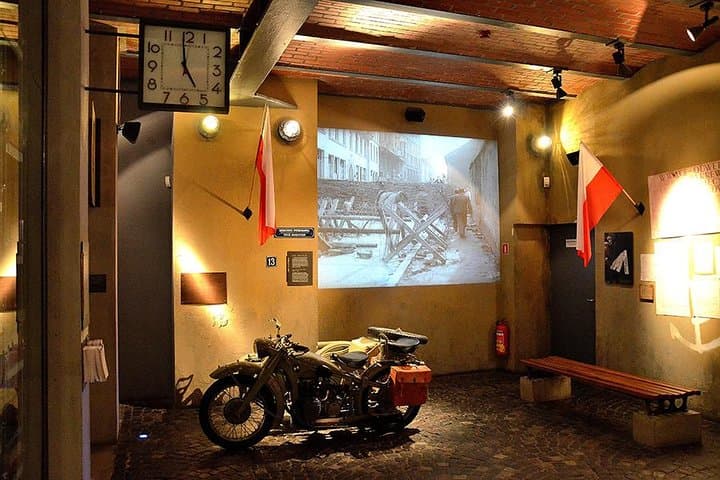
The Warsaw Uprising Museum recreates 1944 with immersive displays: street-level dioramas, partisan paperwork and audio fragments that place you inside the city’s last, desperate stand. Across the river, POLIN traces a thousand years of Jewish life in Poland through multimedia reconstructions, archival material and neighborhood stories that shift the focus from battle to everyday culture.
Together the sites map Warsaw’s layered history — from prewar neighborhoods and economic exchange to wartime collapse, postwar reconstruction and the long recovery of memory. Architecture around both museums reflects that history: modern interventions, reconstructed tenements and memorial plaques that mark vanished streets.
Practicalities steer the visit: this private tour runs about four hours with door-to-door transport, timed entry and audio guides in multiple languages. Expect a steady but accessible pace, wheelchair-friendly routes and short walks between stops. Bring a charged phone for photo permissions, comfortable shoes for standing and an umbrella if rain is forecast.
This pairing is best for travelers who want concentrated context — not a surface overview but a focused, physical way to hold Warsaw’s wartime and cultural past in one afternoon.
easy.
4 hours.
Suitable for most fitness levels; ability to stand and walk short distances is required
Yes — door-to-door transport from central Warsaw hotels or apartments is included for this private tour.
Both museums provide wheelchair access and accessible routes; notify booking of accessibility needs to ensure appropriate transport and support.
The tour is approximately 240 minutes and paced as a steady cultural visit with time to view exhibits; it’s suitable for visitors who can stand and walk short distances.
Yes — audio guides are available in many languages at both museums; the tour operator also supplies multilingual options where possible.
The Warsaw Uprising of 1944 left much of the city destroyed; postwar reconstruction reshaped neighborhoods, while POLIN documents ten centuries of Jewish presence and contribution in Poland.
Both institutions emphasize artifact preservation and respectful visitation; visitors are asked not to touch exhibits and to follow photo restrictions to protect sensitive material.
Visiting-Warsaw.Com operates guided outdoor trips and adventures with an emphasis on safety, stewardship, and memorable experiences.
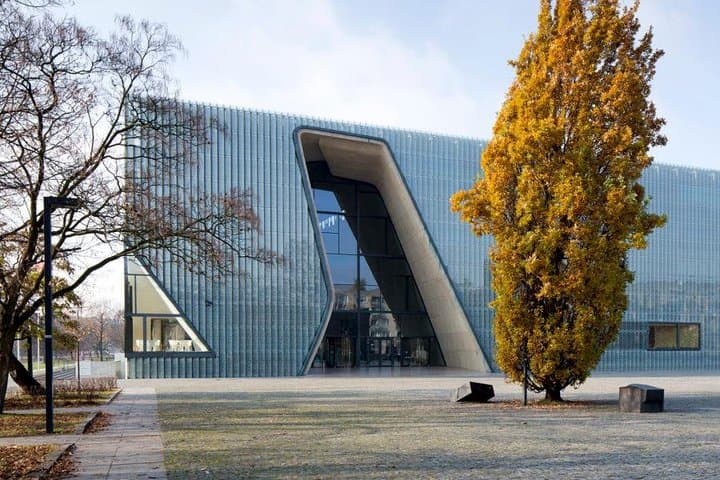
You step out of the car onto a broad city street and the modern glass of POLIN sits across from austere brick facades that still carry the weight of 20th-century Warsaw. The driver waits; the guide affords a moment to breathe before two very different museums pull you into the same story — loss, resilience and culture.
You step out of the car onto a broad city street and the modern glass of POLIN sits across from austere brick facades that still carry the weight of 20th-century Warsaw. The driver waits; the guide affords a moment to breathe before two very different museums pull you into the same story — loss, resilience and culture.
The Warsaw Uprising Museum recreates 1944 with immersive displays: street-level dioramas, partisan paperwork and audio fragments that place you inside the city’s last, desperate stand. Across the river, POLIN traces a thousand years of Jewish life in Poland through multimedia reconstructions, archival material and neighborhood stories that shift the focus from battle to everyday culture.
Together the sites map Warsaw’s layered history — from prewar neighborhoods and economic exchange to wartime collapse, postwar reconstruction and the long recovery of memory. Architecture around both museums reflects that history: modern interventions, reconstructed tenements and memorial plaques that mark vanished streets.
Practicalities steer the visit: this private tour runs about four hours with door-to-door transport, timed entry and audio guides in multiple languages. Expect a steady but accessible pace, wheelchair-friendly routes and short walks between stops. Bring a charged phone for photo permissions, comfortable shoes for standing and an umbrella if rain is forecast.
This pairing is best for travelers who want concentrated context — not a surface overview but a focused, physical way to hold Warsaw’s wartime and cultural past in one afternoon.