THE ADVENTURE COLLECTIVE® · Independent discovery and booking for outdoor travel

Walk Warsaw’s Old Town after dark with a local guide and hear the city’s lesser-known, spine-tingling stories. This two-hour private ghost walk mixes wartime history with folklore, cobbled alleys, and atmospheric landmarks.
Walk Warsaw’s Old Town after dark with a local guide and hear the city’s lesser-known, spine-tingling stories. This two-hour private ghost walk mixes wartime history with folklore, cobbled alleys, and atmospheric landmarks.
A chill settles over Warsaw's Old Town as the last tram whistles and the amber lamps pick out the edges of worn cobbles. The guide leads the small group through narrowing alleys where shadows slide across plastered facades and the city’s past seems to breathe between buildings. Voices drop; stories take over.
Verified experiences and guided adventures in the surrounding area.
Operated by Opatrip.com Lithuania · Warsaw, Masovian Voivodeship
A chill settles over Warsaw's Old Town as the last tram whistles and the amber lamps pick out the edges of worn cobbles. The guide leads the small group through narrowing alleys where shadows slide across plastered facades and the city’s past seems to breathe between buildings. Voices drop; stories take over.
The route threads through the reconstructed center that was razed in World War II and painstakingly rebuilt from archival prints. Geologically, you're on the Vistula's flat terrace—streets sit low and close to the river, so damp air often carries the dampened echo of footsteps. Culture here flips between royal pageant and everyday grit: baroque churches, medieval ramps, and communist-era blocks within easy reach.
Expect legends pinned to real history—tales of lost merchants, wartime disappearances, and local superstitions that grew from old inns and narrow courtyards. The Barbican and St. John's Archcathedral appear not just as sights but as characters; walls that have witnessed occupation, revolt, and resurrection.
Practically, the walk is two hours on uneven cobbles and brief stair sections—good urban footwear matters. Tours run in English and Polish; they work best after dusk when lamps render the streets cinematic and the city quieter. Bring a light rain layer, a charged phone for maps and photos, and comfortable shoes. Stay with the group, listen for meeting-point landmarks, and consider arriving early to explore a side street or café beforehand.
This is an accessible, atmospheric introduction to Warsaw’s layered history—both the recorded and the whispered.
easy.
2 hours.
Suitable for most fitness levels; involves standing and walking on uneven cobbles for two hours
The meeting point is in Warsaw Old Town center; confirm the exact landmark with the operator on booking and arrive 10–15 minutes early.
Guides are certified to lead in Polish and English; private tours allow requests for a specific language when booking.
The walk is rated easy but uses cobbles and some stairs—strollers and wheelchairs may find parts challenging; contact the operator to discuss accessibility.
Full refund available if you cancel at least 24 hours before departure; check your booking confirmation for details.
Warsaw’s Old Town was almost entirely destroyed in World War II and reconstructed in the 1950s using historical paintings and photographs, making the district a rare example of large-scale postwar urban restoration.
Stick to marked public paths, avoid touching fragile facades, and support certified local guides—tourism revenue helps fund maintenance and conservation of historic structures.
Opatrip.com Lithuania operates guided outdoor trips and adventures with an emphasis on safety, stewardship, and memorable experiences.
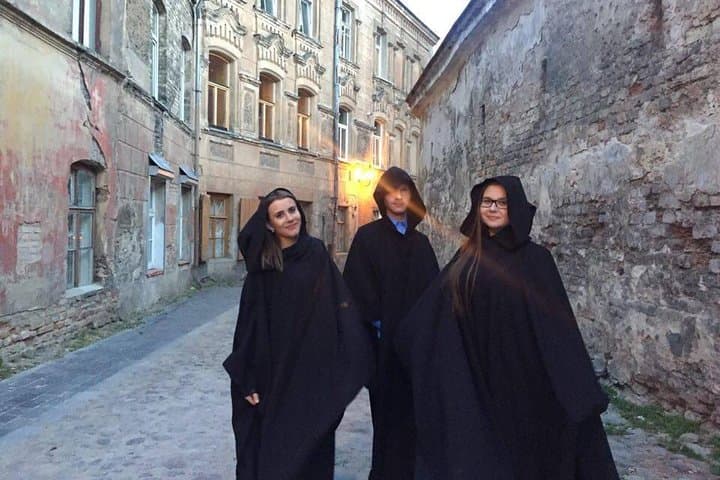
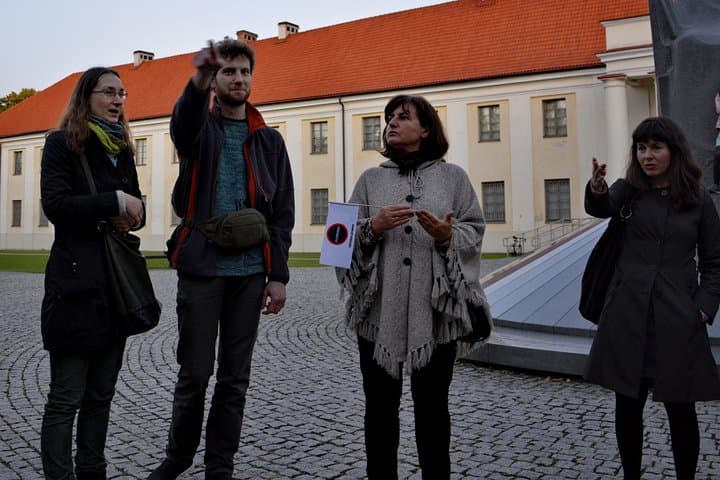
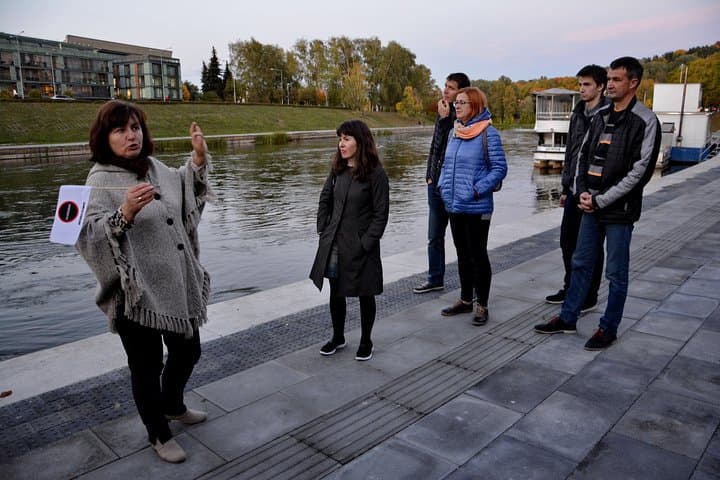
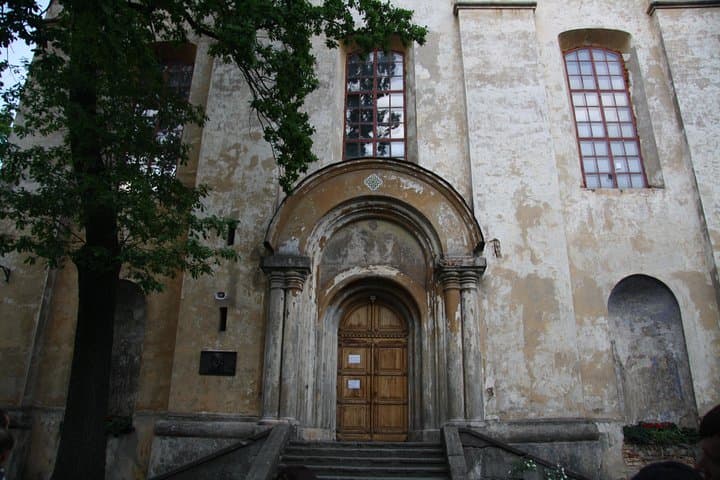
A chill settles over Warsaw's Old Town as the last tram whistles and the amber lamps pick out the edges of worn cobbles. The guide leads the small group through narrowing alleys where shadows slide across plastered facades and the city’s past seems to breathe between buildings. Voices drop; stories take over.
A chill settles over Warsaw's Old Town as the last tram whistles and the amber lamps pick out the edges of worn cobbles. The guide leads the small group through narrowing alleys where shadows slide across plastered facades and the city’s past seems to breathe between buildings. Voices drop; stories take over.
The route threads through the reconstructed center that was razed in World War II and painstakingly rebuilt from archival prints. Geologically, you're on the Vistula's flat terrace—streets sit low and close to the river, so damp air often carries the dampened echo of footsteps. Culture here flips between royal pageant and everyday grit: baroque churches, medieval ramps, and communist-era blocks within easy reach.
Expect legends pinned to real history—tales of lost merchants, wartime disappearances, and local superstitions that grew from old inns and narrow courtyards. The Barbican and St. John's Archcathedral appear not just as sights but as characters; walls that have witnessed occupation, revolt, and resurrection.
Practically, the walk is two hours on uneven cobbles and brief stair sections—good urban footwear matters. Tours run in English and Polish; they work best after dusk when lamps render the streets cinematic and the city quieter. Bring a light rain layer, a charged phone for maps and photos, and comfortable shoes. Stay with the group, listen for meeting-point landmarks, and consider arriving early to explore a side street or café beforehand.
This is an accessible, atmospheric introduction to Warsaw’s layered history—both the recorded and the whispered.