THE ADVENTURE COLLECTIVE® · Independent discovery and booking for outdoor travel

Trace Prague’s turbulent 20th century on a focused three-hour private walk. Local guides who experienced the era connect sites like Wenceslas Square, the Municipal House and former Gestapo offices to first-hand stories and historical context.
Trace Prague’s turbulent 20th century on a focused three-hour private walk. Local guides who experienced the era connect sites like Wenceslas Square, the Municipal House and former Gestapo offices to first-hand stories and historical context.
You step out from a tram stop onto Wenceslas Square and the city greets you with layered echoes: proclamations, marching boots, and crowds that changed a nation. The three-hour private walk threads through the same plazas and façades that saw the Declaration of Czechoslovak Independence, the Municipal House’s ceremonial face, Nazi offices turned wartime command, and the public squares that closed the communist chapter.
Verified experiences and guided adventures in the surrounding area.
Operated by Spectrum Tours · Prague, Prague
You step out from a tram stop onto Wenceslas Square and the city greets you with layered echoes: proclamations, marching boots, and crowds that changed a nation. The three-hour private walk threads through the same plazas and façades that saw the Declaration of Czechoslovak Independence, the Municipal House’s ceremonial face, Nazi offices turned wartime command, and the public squares that closed the communist chapter.
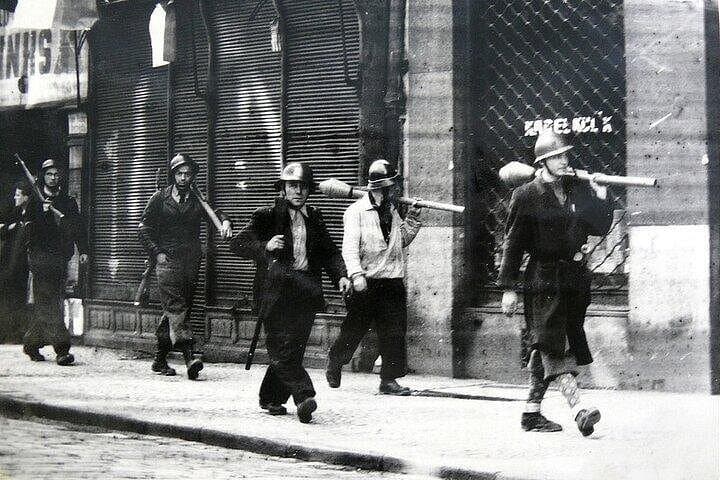
This route is modern Prague as political geography. The early 20th-century collapse of empires, the trauma of Nazi occupation, the resistance and postwar shifts, the Prague Spring of 1968 and the Velvet Revolution of 1989 are all visible in stone and plaque. The tour’s guides are locals who lived through late-20th-century events and pair personal testimony with archival context, making dates into human choices.
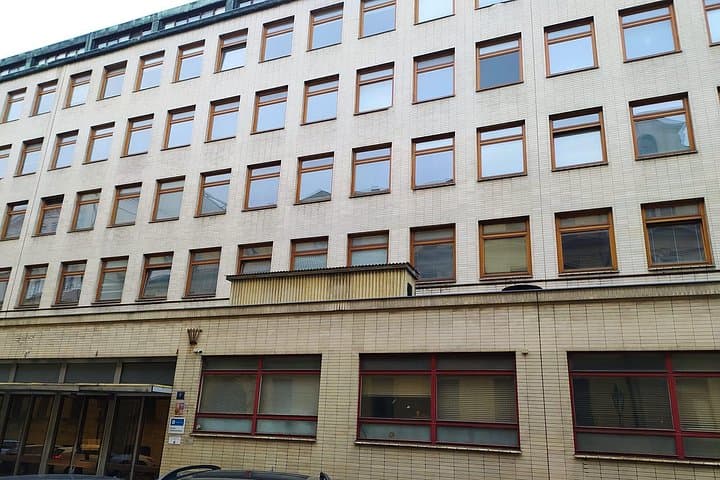
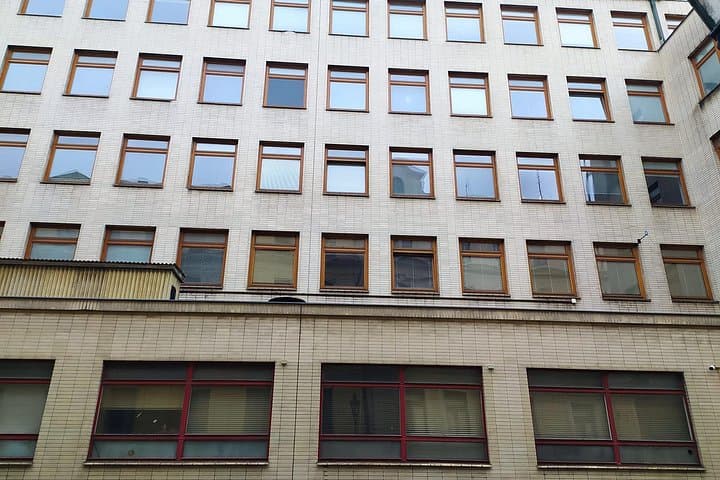
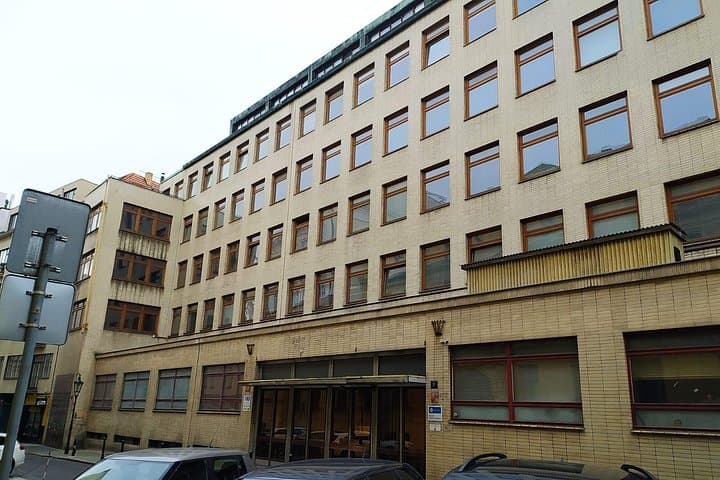
Architecturally the walk passes Art Nouveau façades, austere interwar buildings and Soviet-era apartment blocks—each change reflecting rapid political shifts rather than geological time. Cultural notes: street-level cafés, tramlines that predate communism, and memorials that invite quiet reflection.
Practical guidance: this is urban walking—expect paved streets, curbs and some uneven historic cobbles. The tour is wheelchair and stroller accessible; confirm hotel pickup point if needed. Bring ID for verification, a charged phone for photos and notes, and weather-appropriate layers. Start mid-morning to avoid peak crowds and allow time for concentrated storytelling at key sites. The private format means the guide can tailor emphasis—ask in advance if you prefer a focus on resistance movements, daily life under communism, or archival documents.
easy.
3 hours.
Suitable for most fitness levels; requires standing and walking for up to three hours with short breaks
Yes—guides are professional and typically offer tours in English; confirm language when booking.
This walking tour focuses on outdoor sites and exterior stops; museum admissions are not included but can be arranged on request.
Hotel pickup by the guide is offered—confirm the exact pickup point when booking (guide-only pickup).
Yes; the itinerary and transportation options are wheelchair and stroller accessible, though some historic streets have uneven paving.
The tour traces pivotal 20th-century shifts: independence in 1918, Nazi occupation, communist rule, the Prague Spring of 1968, and the Velvet Revolution of 1989—each event left architectural and civic marks visible on the route.
Walking tours are low-impact ways to experience the city; follow memorial signage, stay on paths, and support local guides to keep economic benefits in the community.
Spectrum Tours operates guided outdoor trips and adventures with an emphasis on safety, stewardship, and memorable experiences.
You step out from a tram stop onto Wenceslas Square and the city greets you with layered echoes: proclamations, marching boots, and crowds that changed a nation. The three-hour private walk threads through the same plazas and façades that saw the Declaration of Czechoslovak Independence, the Municipal House’s ceremonial face, Nazi offices turned wartime command, and the public squares that closed the communist chapter.
You step out from a tram stop onto Wenceslas Square and the city greets you with layered echoes: proclamations, marching boots, and crowds that changed a nation. The three-hour private walk threads through the same plazas and façades that saw the Declaration of Czechoslovak Independence, the Municipal House’s ceremonial face, Nazi offices turned wartime command, and the public squares that closed the communist chapter.
This route is modern Prague as political geography. The early 20th-century collapse of empires, the trauma of Nazi occupation, the resistance and postwar shifts, the Prague Spring of 1968 and the Velvet Revolution of 1989 are all visible in stone and plaque. The tour’s guides are locals who lived through late-20th-century events and pair personal testimony with archival context, making dates into human choices.
Architecturally the walk passes Art Nouveau façades, austere interwar buildings and Soviet-era apartment blocks—each change reflecting rapid political shifts rather than geological time. Cultural notes: street-level cafés, tramlines that predate communism, and memorials that invite quiet reflection.
Practical guidance: this is urban walking—expect paved streets, curbs and some uneven historic cobbles. The tour is wheelchair and stroller accessible; confirm hotel pickup point if needed. Bring ID for verification, a charged phone for photos and notes, and weather-appropriate layers. Start mid-morning to avoid peak crowds and allow time for concentrated storytelling at key sites. The private format means the guide can tailor emphasis—ask in advance if you prefer a focus on resistance movements, daily life under communism, or archival documents.