THE ADVENTURE COLLECTIVE® · Independent discovery and booking for outdoor travel

Explore the Wari capital and the Pampa de Ayacucho memorial in a single private day tour from Ayacucho. This route pairs archaeological insight with the historical significance of the Battle of Ayacucho—ideal for travelers who want context with their countryside.
Explore the Wari capital and the Pampa de Ayacucho memorial in a single private day tour from Ayacucho. This route pairs archaeological insight with the historical significance of the Battle of Ayacucho—ideal for travelers who want context with their countryside.
You step out of the van and the highland air of Ayacucho meets you like a cool hand—thin, dry, and honest. The first stop, the Wari archaeological complex, spreads as low stone terraces, plazas and earthen walls that still hold the pulse of a civilization that organized the first Andean empire. Ceramics in the site museum sit quiet and precise; the hammer of centuries has left their patterns legible.
Verified experiences and guided adventures in the surrounding area.
Operated by Huancaraylla Tours Peru · Ayacucho, Ayacucho Region
You step out of the van and the highland air of Ayacucho meets you like a cool hand—thin, dry, and honest. The first stop, the Wari archaeological complex, spreads as low stone terraces, plazas and earthen walls that still hold the pulse of a civilization that organized the first Andean empire. Ceramics in the site museum sit quiet and precise; the hammer of centuries has left their patterns legible.
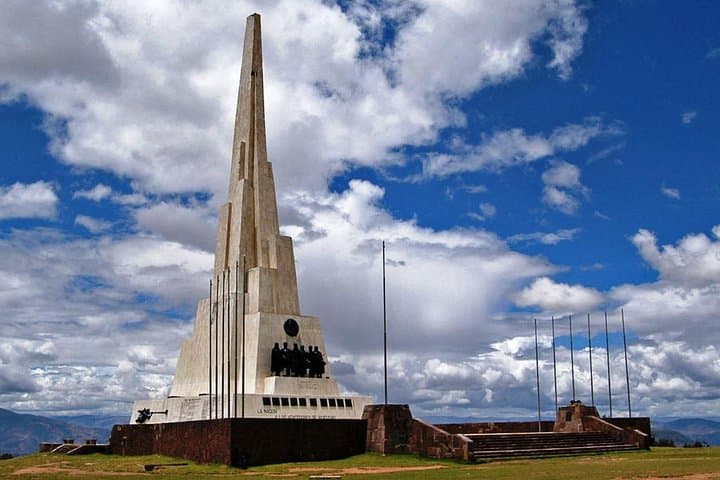
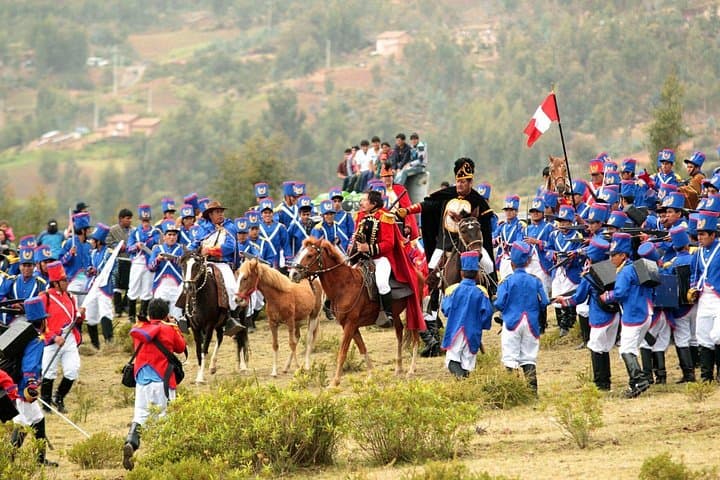
Geology here is blunt: volcanic-sedimentary soils carved by wind and seasonal rivers, offering panoramic ridgelines that frame the Pampa de Ayacucho. At Quinua the plain opens wide and flat; the obelisk rises where cannon smoke once blurred the horizon during the 1824 Battle of Ayacucho, a decisive moment for South American independence.
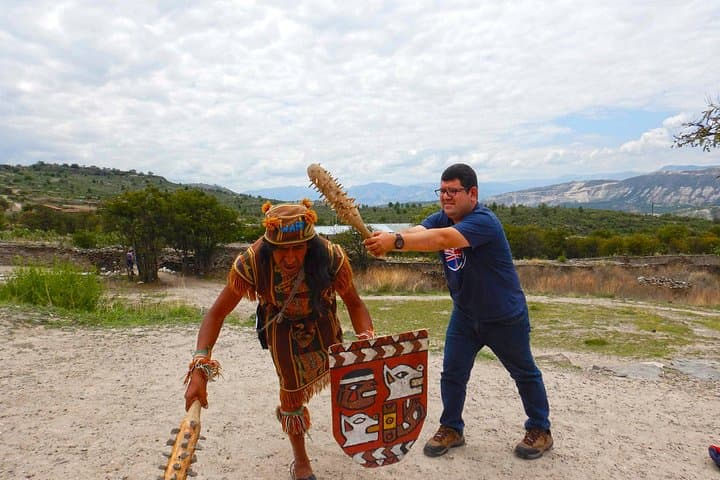
Local communities keep the story moving—potters in Quinua shaping bright ceramics with techniques passed down through generations, guides who explain Wari urban planning and ceremonial architecture in plain terms. Expect a day that alternates between low-intensity walks across uneven stone and flat, contemplative moments at memorial sites.
Practical guidance: bring sturdy, treaded shoes for uneven archaeological paths, sun protection and at least 1–1.5 liters of water, and a light layer for brisk mornings or afternoons. The tour covers both indoor museum displays and open-air ruins; allow time for photography and a short shop stop in Quinua for locally made pottery. Confirm language and pickup when you book—many operators offer private transfers from Ayacucho.
moderate.
6 hours.
Suitable for travelers in average physical condition able to handle several short walks on uneven ground over a half-day to full-day period.
The tour lasts about six hours, mixing short guided walks across the Wari complex and a longer visit at the Pampa de Ayacucho site; expect a steady but unhurried pace with stops for interpretation.
Yes — this private tour includes site admission and an official guide; confirm language preference at booking.
Private tours typically include pickup; the booking asks for a pickup point—confirm your hotel or meeting location when you reserve.
While the tour is rated suitable for most fitness levels, it is not recommended for pregnant travelers or those with significant cardiovascular problems—check medical suitability before booking.
Wari was the administrative center of an early Andean empire (circa 600–1000 CE); the Pampa de Ayacucho marks the 1824 battle that sealed independence for Peru and much of South America.
Visitors are asked to stay on designated paths, avoid touching artifacts, and support local craft economies—income from tourism funds site conservation and community programs.
Huancaraylla Tours Peru operates guided outdoor trips and adventures with an emphasis on safety, stewardship, and memorable experiences.
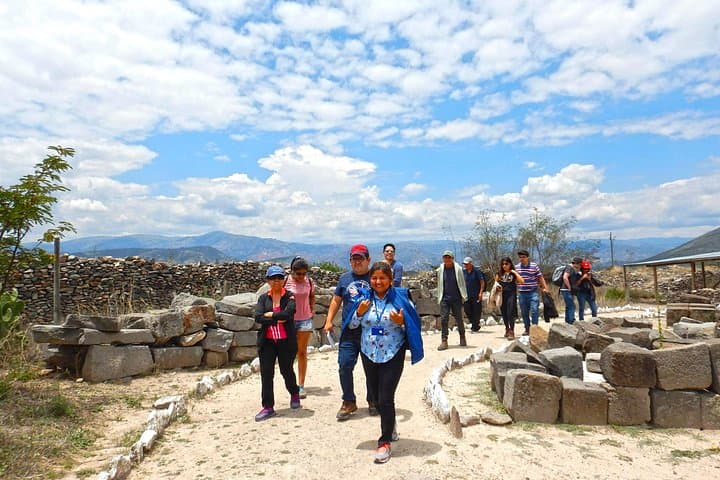
You step out of the van and the highland air of Ayacucho meets you like a cool hand—thin, dry, and honest. The first stop, the Wari archaeological complex, spreads as low stone terraces, plazas and earthen walls that still hold the pulse of a civilization that organized the first Andean empire. Ceramics in the site museum sit quiet and precise; the hammer of centuries has left their patterns legible.
You step out of the van and the highland air of Ayacucho meets you like a cool hand—thin, dry, and honest. The first stop, the Wari archaeological complex, spreads as low stone terraces, plazas and earthen walls that still hold the pulse of a civilization that organized the first Andean empire. Ceramics in the site museum sit quiet and precise; the hammer of centuries has left their patterns legible.
Geology here is blunt: volcanic-sedimentary soils carved by wind and seasonal rivers, offering panoramic ridgelines that frame the Pampa de Ayacucho. At Quinua the plain opens wide and flat; the obelisk rises where cannon smoke once blurred the horizon during the 1824 Battle of Ayacucho, a decisive moment for South American independence.
Local communities keep the story moving—potters in Quinua shaping bright ceramics with techniques passed down through generations, guides who explain Wari urban planning and ceremonial architecture in plain terms. Expect a day that alternates between low-intensity walks across uneven stone and flat, contemplative moments at memorial sites.
Practical guidance: bring sturdy, treaded shoes for uneven archaeological paths, sun protection and at least 1–1.5 liters of water, and a light layer for brisk mornings or afternoons. The tour covers both indoor museum displays and open-air ruins; allow time for photography and a short shop stop in Quinua for locally made pottery. Confirm language and pickup when you book—many operators offer private transfers from Ayacucho.