THE ADVENTURE COLLECTIVE® · Independent discovery and booking for outdoor travel

A full-day private drive from Hyderabad brings you to Warangal’s stony fortifications, carved temple halls and living cultural corners. This guided tour blends architecture, local flavors and on-site history with the convenience of an air-conditioned vehicle.
A full-day private drive from Hyderabad brings you to Warangal’s stony fortifications, carved temple halls and living cultural corners. This guided tour blends architecture, local flavors and on-site history with the convenience of an air-conditioned vehicle.
You leave Hyderabad before dawn and the highway unfolds like a flat ribbon across the Deccan Plateau; dust and stubble slide past the car window, and the guide points to a distant silhouette of crenellated walls as Warangal draws near.
Verified experiences and guided adventures in the surrounding area.
Operated by Yo Tours Goa · Warangal, Telangana
You leave Hyderabad before dawn and the highway unfolds like a flat ribbon across the Deccan Plateau; dust and stubble slide past the car window, and the guide points to a distant silhouette of crenellated walls as Warangal draws near.
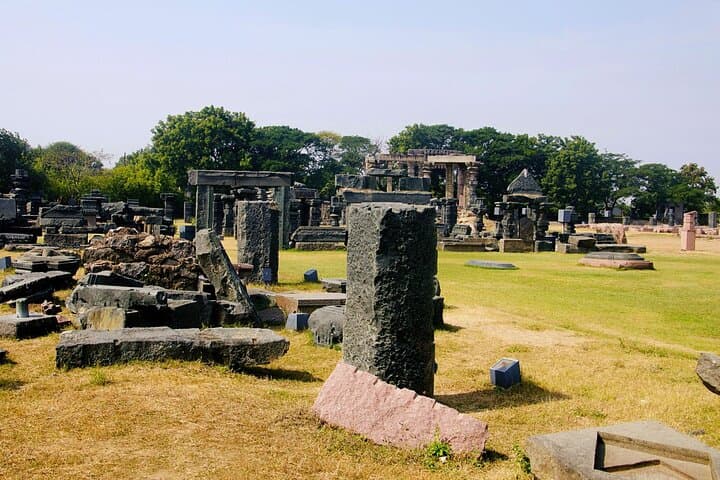
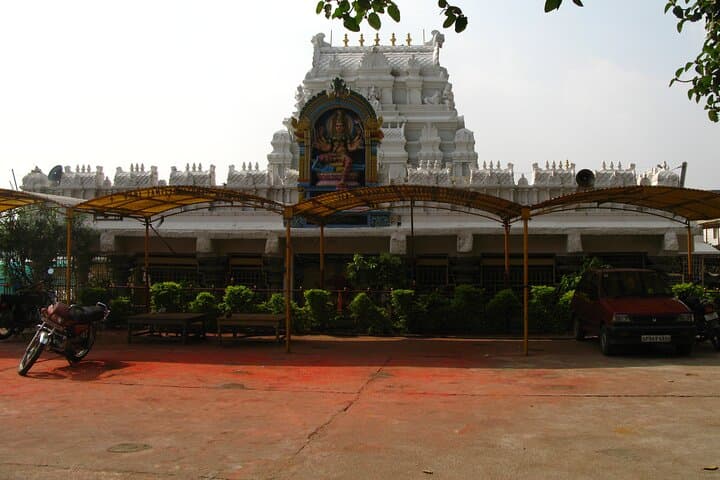
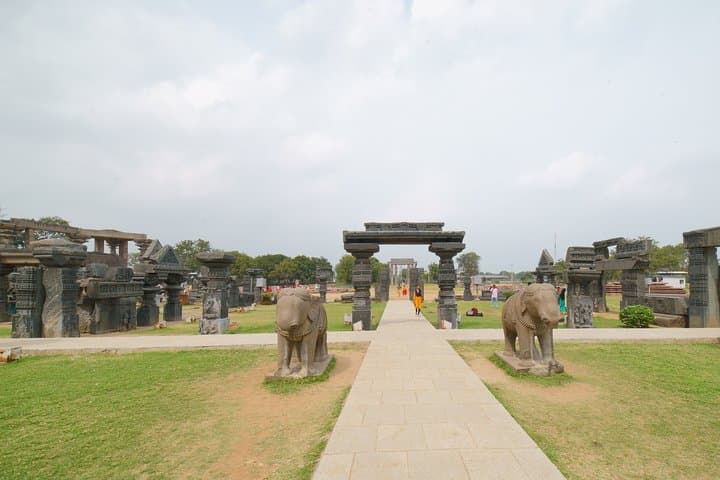
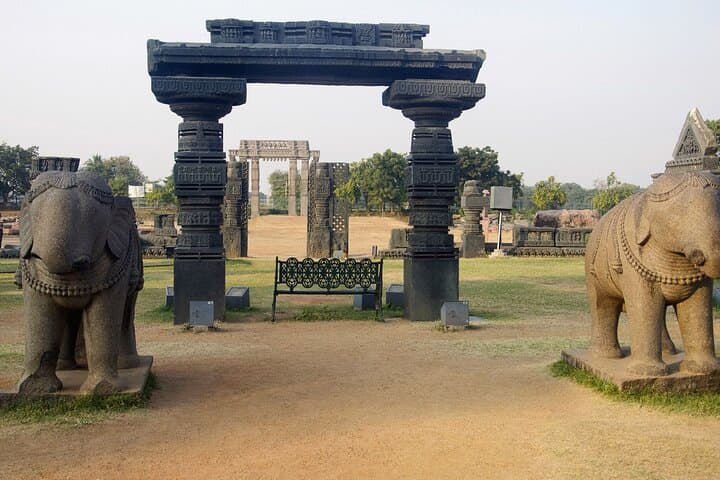
The city was the heart of the Kakatiya kingdom from the 12th to 14th centuries, and its ruins still read like a civic manifesto: Warangal Fort’s concentric stone rings, the Bhadrakali Temple’s living shrine, and the Thousand Pillar Temple’s compact, carved halls. The architecture is direct and muscular—rock and dressed stone arranged to resist time—and the landscape is marked by low scrub, granite outcrops, and the patient heat of Telangana.
Culturally, this is a place of layered rituals and festivals; local vendors sell jaggery sweets and spicy snacks that cut through dust and hunger. The guide provides context—how the Kakatiyas shaped irrigation tanks, how temple sculpture recorded myths and daily life—and points out small details that most visitors miss: faint inscriptions, reused stones, carved brackets that still bear traces of pigment.
Practically: this private car tour is eight hours total from Hyderabad (roughly 140–160 km round trip depending on route) and includes an air-conditioned vehicle and an English/Hindi-speaking guide. Expect short walks on uneven stone, open courtyards with little shade, and the possibility of entry fees for certain monuments. Bring water, sun protection, comfortable walking shoes, and a camera with spare battery. Morning departures and cooler months make the visit far more pleasant; pacing yourself lets you enjoy both the architecture and the roadside flavors that give Warangal its character.
easy.
8 hours.
Suitable for most fitness levels; involves short walks and standing at archaeological sites
The one-way drive is roughly 140 km and typically takes 2.5–3 hours depending on traffic and route; the full tour is about eight hours including travel and site time.
The itinerary notes that admission is not included, so plan to pay entry fees at specific monuments if required.
Yes—this private, chauffeured experience accommodates varying fitness levels, though some walking on uneven ground is required at sites.
The included guide is described as English and Hindi speaking; confirm any other language needs at booking.
Warangal was the capital of the Kakatiya dynasty (12th–14th centuries), known for temple-building, fortified urban planning and irrigation works that shaped the region.
Many monuments are protected under state archaeological agencies; visitors are asked to avoid touching carvings, use designated paths and carry out all trash to limit wear on fragile stonework.
Yo Tours Goa operates guided outdoor trips and adventures with an emphasis on safety, stewardship, and memorable experiences.
You leave Hyderabad before dawn and the highway unfolds like a flat ribbon across the Deccan Plateau; dust and stubble slide past the car window, and the guide points to a distant silhouette of crenellated walls as Warangal draws near.
You leave Hyderabad before dawn and the highway unfolds like a flat ribbon across the Deccan Plateau; dust and stubble slide past the car window, and the guide points to a distant silhouette of crenellated walls as Warangal draws near.
The city was the heart of the Kakatiya kingdom from the 12th to 14th centuries, and its ruins still read like a civic manifesto: Warangal Fort’s concentric stone rings, the Bhadrakali Temple’s living shrine, and the Thousand Pillar Temple’s compact, carved halls. The architecture is direct and muscular—rock and dressed stone arranged to resist time—and the landscape is marked by low scrub, granite outcrops, and the patient heat of Telangana.
Culturally, this is a place of layered rituals and festivals; local vendors sell jaggery sweets and spicy snacks that cut through dust and hunger. The guide provides context—how the Kakatiyas shaped irrigation tanks, how temple sculpture recorded myths and daily life—and points out small details that most visitors miss: faint inscriptions, reused stones, carved brackets that still bear traces of pigment.
Practically: this private car tour is eight hours total from Hyderabad (roughly 140–160 km round trip depending on route) and includes an air-conditioned vehicle and an English/Hindi-speaking guide. Expect short walks on uneven stone, open courtyards with little shade, and the possibility of entry fees for certain monuments. Bring water, sun protection, comfortable walking shoes, and a camera with spare battery. Morning departures and cooler months make the visit far more pleasant; pacing yourself lets you enjoy both the architecture and the roadside flavors that give Warangal its character.