THE ADVENTURE COLLECTIVE® · Independent discovery and booking for outdoor travel

Walk through working cinnamon groves and handle Ceylon bark yourself at Warala Watta. This 3-hour hands-on farm and factory visit pairs sensory spice tastings with practical demonstrations on cultivation and processing.
Walk through working cinnamon groves and handle Ceylon bark yourself at Warala Watta. This 3-hour hands-on farm and factory visit pairs sensory spice tastings with practical demonstrations on cultivation and processing.
The path through the spice rows smells of warm bark and earth — cinnamon quills stacked like bundles of stories, pepper vines looping toward the light. At Warala Watta Farm the walk starts under a canopy of jackfruit and coconut palms; guides lead small groups through beds of cardamom, clove and black pepper while explaining the tactile cues of harvest-ready plants.
Verified experiences and guided adventures in the surrounding area.
Operated by Warala Watta Farm, Spice Garden and Cinnamon Experience · Kandy, Central Province
The path through the spice rows smells of warm bark and earth — cinnamon quills stacked like bundles of stories, pepper vines looping toward the light. At Warala Watta Farm the walk starts under a canopy of jackfruit and coconut palms; guides lead small groups through beds of cardamom, clove and black pepper while explaining the tactile cues of harvest-ready plants.
This is a place where Sri Lanka’s spice history meets present-day practice. Ceylon cinnamon, prized since ancient maritime trade, still bears the mark of labor-intensive peeling and rolling; the region’s humid, well-drained hill slopes create the conditions that give Ceylon bark its thin, flavorful layers. Local culture shows in casual conversations with family staff and in the farm’s simple tasting rituals — spiced teas, freshly cut coconut water and a farm-to-table sampling that connects plant to plate.
Expect a structured 3-hour visit: a guided garden walk, a cinnamon-handling demonstration, a sensory tasting and a short factory visit where basic processing machinery is explained. The terrain is mostly level to gently sloping dirt paths; footwear with grip is useful after rain. Photography is welcome but step back during active processing for safety. Morning visits catch scents and insects at lower activity; afternoons can feel hotter and more humid.
Practical notes: the experience is low exertion and family-friendly, but not recommended for pregnant guests or those with serious heart conditions. Bring water, sun protection and mosquito repellent. Small-group sizes keep the experience intimate — come ready to touch, taste and learn the method behind a spice island’s most famous export.
easy.
3 hours.
Suitable for most fitness levels; involves several short walks on uneven ground.
The tour runs about 3 hours and includes a garden walk, cinnamon demonstration, tasting and a short factory visit.
Yes; the activity is low exertion and family-friendly. Infants must sit on an adult’s lap during the tour.
Yes for garden and tasting areas; during active processing follow guide directions and avoid photographing sensitive machinery.
The tour is physically easy but not recommended for pregnant travelers or those with serious cardiovascular conditions; paths can be uneven.
Ceylon cinnamon has been cultivated in Sri Lanka for centuries and was a major commodity in Indian Ocean trade, prized for its unique thin bark and intense aroma.
Many estate operators emphasize small-scale organic practices and reduced chemical use; visitors can support sustainability by following waste guidelines and avoiding single-use plastics.
Warala Watta Farm, Spice Garden and Cinnamon Experience operates guided outdoor trips and adventures with an emphasis on safety, stewardship, and memorable experiences.


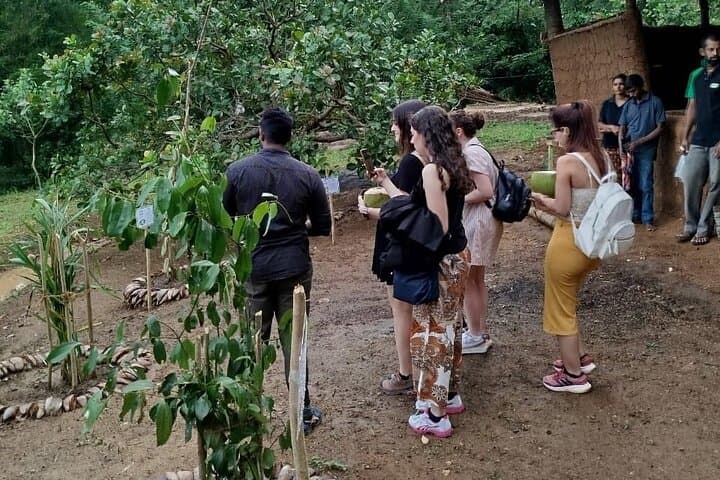
The path through the spice rows smells of warm bark and earth — cinnamon quills stacked like bundles of stories, pepper vines looping toward the light. At Warala Watta Farm the walk starts under a canopy of jackfruit and coconut palms; guides lead small groups through beds of cardamom, clove and black pepper while explaining the tactile cues of harvest-ready plants.
The path through the spice rows smells of warm bark and earth — cinnamon quills stacked like bundles of stories, pepper vines looping toward the light. At Warala Watta Farm the walk starts under a canopy of jackfruit and coconut palms; guides lead small groups through beds of cardamom, clove and black pepper while explaining the tactile cues of harvest-ready plants.
This is a place where Sri Lanka’s spice history meets present-day practice. Ceylon cinnamon, prized since ancient maritime trade, still bears the mark of labor-intensive peeling and rolling; the region’s humid, well-drained hill slopes create the conditions that give Ceylon bark its thin, flavorful layers. Local culture shows in casual conversations with family staff and in the farm’s simple tasting rituals — spiced teas, freshly cut coconut water and a farm-to-table sampling that connects plant to plate.
Expect a structured 3-hour visit: a guided garden walk, a cinnamon-handling demonstration, a sensory tasting and a short factory visit where basic processing machinery is explained. The terrain is mostly level to gently sloping dirt paths; footwear with grip is useful after rain. Photography is welcome but step back during active processing for safety. Morning visits catch scents and insects at lower activity; afternoons can feel hotter and more humid.
Practical notes: the experience is low exertion and family-friendly, but not recommended for pregnant guests or those with serious heart conditions. Bring water, sun protection and mosquito repellent. Small-group sizes keep the experience intimate — come ready to touch, taste and learn the method behind a spice island’s most famous export.