THE ADVENTURE COLLECTIVE® · Independent discovery and booking for outdoor travel

Ride through Antwerp’s wartime geography on a 2½-hour guided bike tour that connects fortifications, V-bomb sites, and memorials. Ideal for history enthusiasts who want a compact, on-bike orientation to the city’s WWI and WWII legacy.
Ride through Antwerp’s wartime geography on a 2½-hour guided bike tour that connects fortifications, V-bomb sites, and memorials. Ideal for history enthusiasts who want a compact, on-bike orientation to the city’s WWI and WWII legacy.
The morning hum of the Scheldt mixes with bicycle tires as you roll away from Antwerp’s Grote Markt, the cathedral’s tower shrinking behind you while the port cranes loom ahead like industrial sentries.
Verified experiences and guided adventures in the surrounding area.
Operated by Taste the City · Antwerp, Antwerp Province
The morning hum of the Scheldt mixes with bicycle tires as you roll away from Antwerp’s Grote Markt, the cathedral’s tower shrinking behind you while the port cranes loom ahead like industrial sentries.
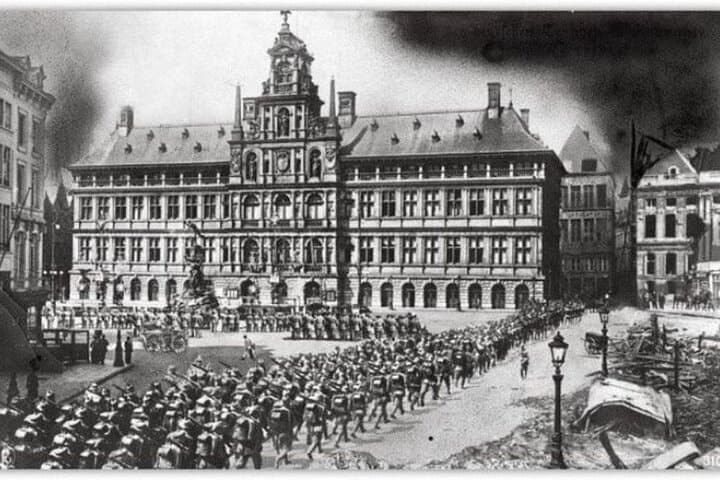
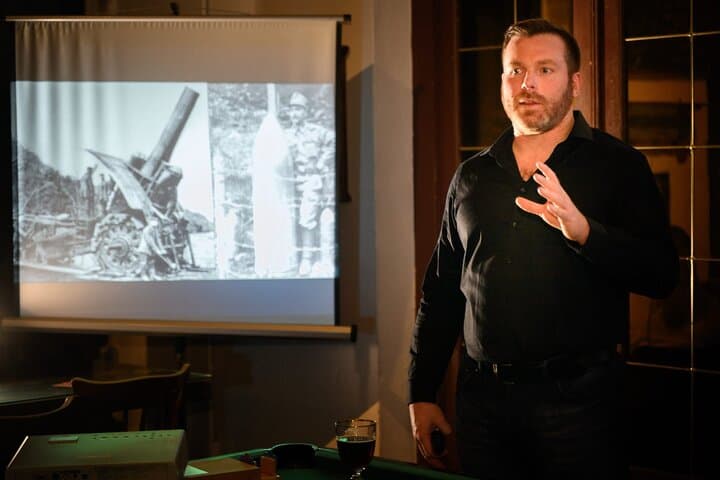
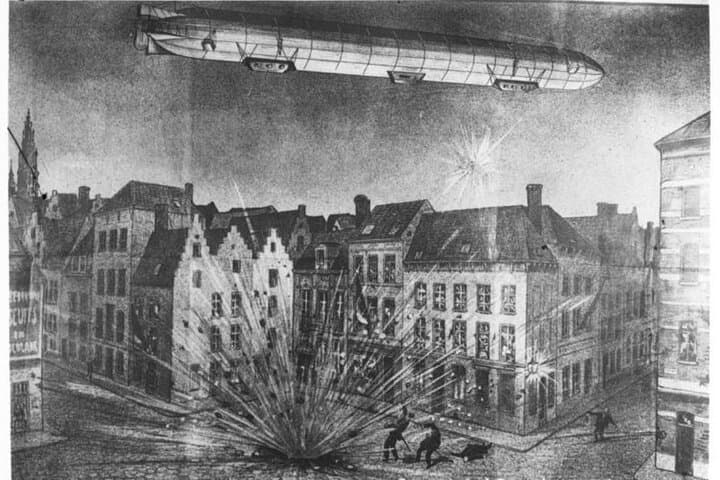
This guided 2.5-hour route threads wartime landmarks with neighborhood life: prewar fortifications, shell-pocked facades from V-bomb strikes, and quiet plaques that mark the city’s lost Jewish communities. Antwerp’s geology — low-lying river plain opening to the North Sea — made it strategically vital, while its port fortunes shaped the scars of both conflicts. You’ll hear stories of the 1914 royal retreat, Churchill’s wartime visits, and the psychological impact of V1 and V2 rockets on civilian neighborhoods.
Culturally the tour crosses commercial quays and residential squares where memorial art and reconstructed buildings show how the city rebuilt itself. Local guides often point out subtle traces: repair seams in brickwork, wartime graffiti preserved under modern paint, and small municipal memorials overlooked by most visitors.
Practical notes: expect city traffic, cobbled streets, and intermittent tram tracks. Bikes are the fastest way to connect dispersed sites; helmets and an upright city bike improve visibility in traffic. Plan for 2–3 hours with stops; bring water and layered clothes for changing coastal weather. If you prefer a gentler pace, ask for more pedestrian sections—guides regularly adapt the route for comfort and mobility access. This tour blends close-up urban history with the practical rhythms of modern Antwerp, making the city’s wartime past tangible and immediate.
easy.
2–3 hours.
Basic cycling fitness; comfortable with short bursts of urban riding and standing to handle cobbles.
Expect roughly 8–12 km (5–7 miles) of riding with multiple short stops; the guide adjusts pace for the group.
Yes — the tour is rated easy and wheelchair/stroller accessible sections are available; notify booking if you need a gentler pace.
Yes — the route uses city streets and near tram lines; guides prioritize safe crossings and give traffic briefings.
This tour focuses on outdoor sites and cityscapes; admission fees for museums or interiors are generally not included.
Antwerp’s deep-water port made it a strategic prize in both world wars; in WWI the government briefly used the city as a refuge, and WWII brought V-bomb attacks that reshaped neighborhoods.
Respect memorial sites and avoid photographing sensitive plaques up close; favor walking and cycling to reduce tour impact on narrow historic streets.
Taste the City operates guided outdoor trips and adventures with an emphasis on safety, stewardship, and memorable experiences.
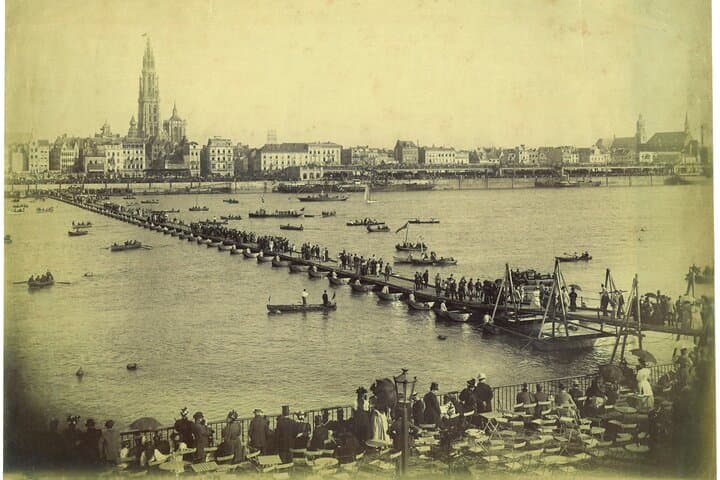
The morning hum of the Scheldt mixes with bicycle tires as you roll away from Antwerp’s Grote Markt, the cathedral’s tower shrinking behind you while the port cranes loom ahead like industrial sentries.
The morning hum of the Scheldt mixes with bicycle tires as you roll away from Antwerp’s Grote Markt, the cathedral’s tower shrinking behind you while the port cranes loom ahead like industrial sentries.
This guided 2.5-hour route threads wartime landmarks with neighborhood life: prewar fortifications, shell-pocked facades from V-bomb strikes, and quiet plaques that mark the city’s lost Jewish communities. Antwerp’s geology — low-lying river plain opening to the North Sea — made it strategically vital, while its port fortunes shaped the scars of both conflicts. You’ll hear stories of the 1914 royal retreat, Churchill’s wartime visits, and the psychological impact of V1 and V2 rockets on civilian neighborhoods.
Culturally the tour crosses commercial quays and residential squares where memorial art and reconstructed buildings show how the city rebuilt itself. Local guides often point out subtle traces: repair seams in brickwork, wartime graffiti preserved under modern paint, and small municipal memorials overlooked by most visitors.
Practical notes: expect city traffic, cobbled streets, and intermittent tram tracks. Bikes are the fastest way to connect dispersed sites; helmets and an upright city bike improve visibility in traffic. Plan for 2–3 hours with stops; bring water and layered clothes for changing coastal weather. If you prefer a gentler pace, ask for more pedestrian sections—guides regularly adapt the route for comfort and mobility access. This tour blends close-up urban history with the practical rhythms of modern Antwerp, making the city’s wartime past tangible and immediate.