THE ADVENTURE COLLECTIVE® · Independent discovery and booking for outdoor travel

Trace the British colonial footprint across Old Delhi in a focused four-hour walking tour. From the battle-scarred Kashmere Gate to the eerie quiet of Lothian Cemetery, this route packs 19th-century history into a compact, walkable experience.
Trace the British colonial footprint across Old Delhi in a focused four-hour walking tour. From the battle-scarred Kashmere Gate to the eerie quiet of Lothian Cemetery, this route packs 19th-century history into a compact, walkable experience.
You step out beneath the battered arches of Kashmere Gate and the city leans in—brass bells, rickshaw calls and the distant rumble of trains. Stone still carries scars from 1857; the gate’s pockmarked face reads like a ledger of conflict.
Verified experiences and guided adventures in the surrounding area.
Operated by SITA World Tours · New Delhi, Delhi
You step out beneath the battered arches of Kashmere Gate and the city leans in—brass bells, rickshaw calls and the distant rumble of trains. Stone still carries scars from 1857; the gate’s pockmarked face reads like a ledger of conflict.
This four-hour private tour threads through Old Delhi’s colonial footprint: Kashmere Gate, St. James’s Church (1836), the Old Post Office and the Lothian Cemetery. These sites map a concentrated story of the British Raj—the 1857 uprising, military presences, and civic infrastructure built on the alluvial plain east of the Yamuna. The church’s fluted columns and the Post Office’s pragmatic brickwork reflect 19th-century administrative priorities; the cemetery records cholera victims and soldiers whose lives tied two worlds.
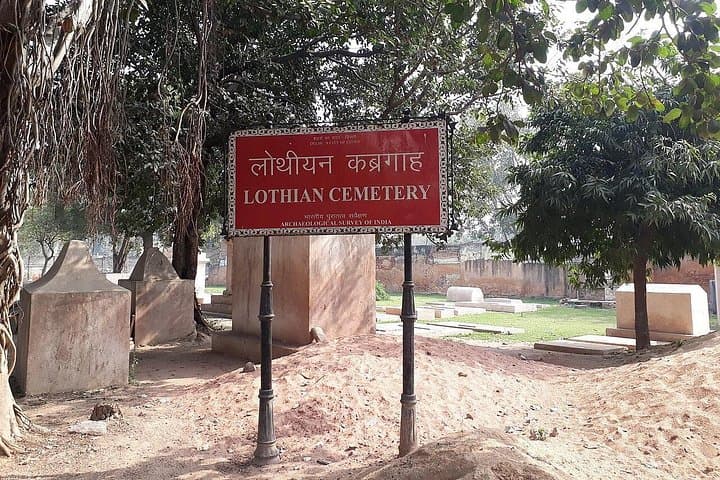
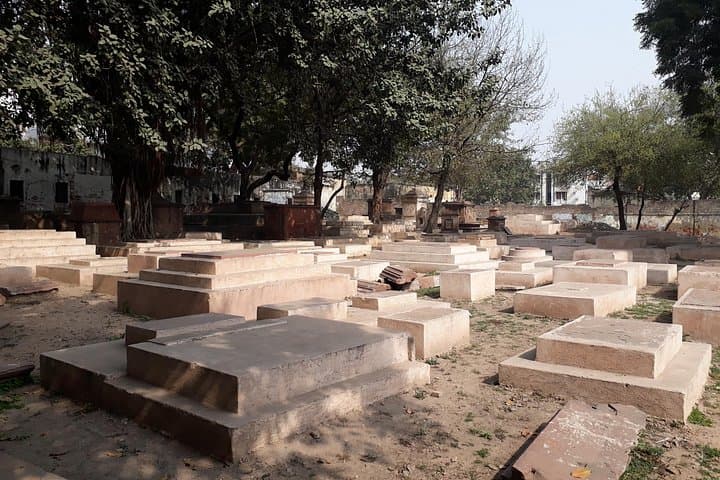
Expect close streets and sudden open squares, dust and pigeons, and a guide who places dates beside faces and stones. The tour ends in a quieter, overgrown graveyard where weathered headstones and rusting ironwork hint at old panic and whispered tales—local lore calls Lothian one of Delhi’s most haunted spots.
Practicalities: moderate walking on uneven pavement and some stairs, hotel pickup by air-conditioned vehicle, and entrance fees included. Carry ID (passport recommended), wear clothing that covers shoulders and knees for places of worship, and bring water, sunscreen and comfortable shoes. Morning slots are cooler; afternoons can be crowded and hot. This is urban history at walking pace—material, human and direct.
moderate.
4 hours.
You should be comfortable walking 2–4 miles on uneven urban pavement and climbing a few short flights of steps.
Expect a moderate amount of walking across uneven streets and short stairways over roughly 2–4 miles spread across the four-hour itinerary.
Entrance fees are included for the listed monuments; the tour’s inclusions note admissions and private transport.
Children under 15 must be accompanied by an adult; infant seating is lap-only according to booking policies.
Photography is generally permitted outside and in most areas, but be respectful of services and signage; follow the guide’s instructions at each site.
These sites are closely tied to the Indian Rebellion of 1857 and 19th-century British civic development; buildings date largely to early- to mid-1800s.
Old Delhi’s heritage sites face pressures from pollution, congestion and development—visitors should avoid littering, stay on paths and respect restoration work.
SITA World Tours operates guided outdoor trips and adventures with an emphasis on safety, stewardship, and memorable experiences.

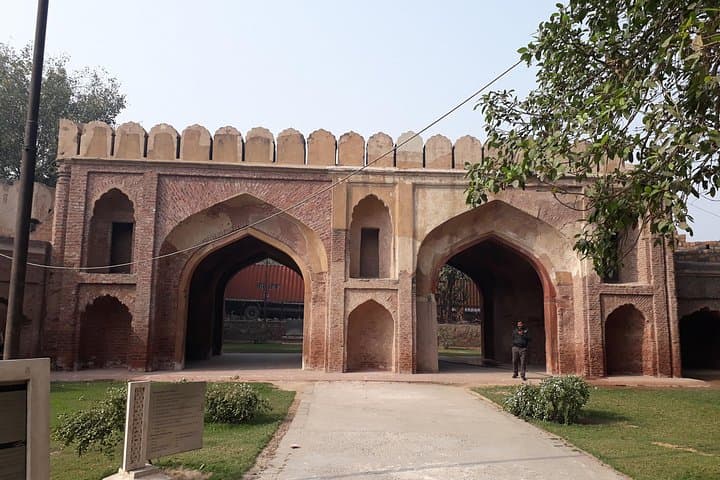
You step out beneath the battered arches of Kashmere Gate and the city leans in—brass bells, rickshaw calls and the distant rumble of trains. Stone still carries scars from 1857; the gate’s pockmarked face reads like a ledger of conflict.
You step out beneath the battered arches of Kashmere Gate and the city leans in—brass bells, rickshaw calls and the distant rumble of trains. Stone still carries scars from 1857; the gate’s pockmarked face reads like a ledger of conflict.
This four-hour private tour threads through Old Delhi’s colonial footprint: Kashmere Gate, St. James’s Church (1836), the Old Post Office and the Lothian Cemetery. These sites map a concentrated story of the British Raj—the 1857 uprising, military presences, and civic infrastructure built on the alluvial plain east of the Yamuna. The church’s fluted columns and the Post Office’s pragmatic brickwork reflect 19th-century administrative priorities; the cemetery records cholera victims and soldiers whose lives tied two worlds.
Expect close streets and sudden open squares, dust and pigeons, and a guide who places dates beside faces and stones. The tour ends in a quieter, overgrown graveyard where weathered headstones and rusting ironwork hint at old panic and whispered tales—local lore calls Lothian one of Delhi’s most haunted spots.
Practicalities: moderate walking on uneven pavement and some stairs, hotel pickup by air-conditioned vehicle, and entrance fees included. Carry ID (passport recommended), wear clothing that covers shoulders and knees for places of worship, and bring water, sunscreen and comfortable shoes. Morning slots are cooler; afternoons can be crowded and hot. This is urban history at walking pace—material, human and direct.