THE ADVENTURE COLLECTIVE® · Independent discovery and booking for outdoor travel

A full-day trek from Cusco to the remote Waqrapukara fortress combines a steep highland climb, sweeping views over Apurímac Canyon, and a hands-on look at pre-Inca and Inca stonework. Perfect for fit day-hikers who want big views without an overnight.
A full-day trek from Cusco to the remote Waqrapukara fortress combines a steep highland climb, sweeping views over Apurímac Canyon, and a hands-on look at pre-Inca and Inca stonework. Perfect for fit day-hikers who want big views without an overnight.
Morning light strips across highland grasses as a van lifts out of Cusco before dawn, the city shrinking into a scatter of adobe roofs while the Andes stretch and flex ahead. Travelers arrive at Pomacanchi Lagoon for a quiet boxed breakfast; the lake’s surface stares back like a calm witness before the climb. From Santa Lucía the trail tilts hard, and the land begins to speak in wind and rock.
Verified experiences and guided adventures in the surrounding area.
Operated by Huaynas Expeditions · Cusco, Cusco
Morning light strips across highland grasses as a van lifts out of Cusco before dawn, the city shrinking into a scatter of adobe roofs while the Andes stretch and flex ahead. Travelers arrive at Pomacanchi Lagoon for a quiet boxed breakfast; the lake’s surface stares back like a calm witness before the climb. From Santa Lucía the trail tilts hard, and the land begins to speak in wind and rock.
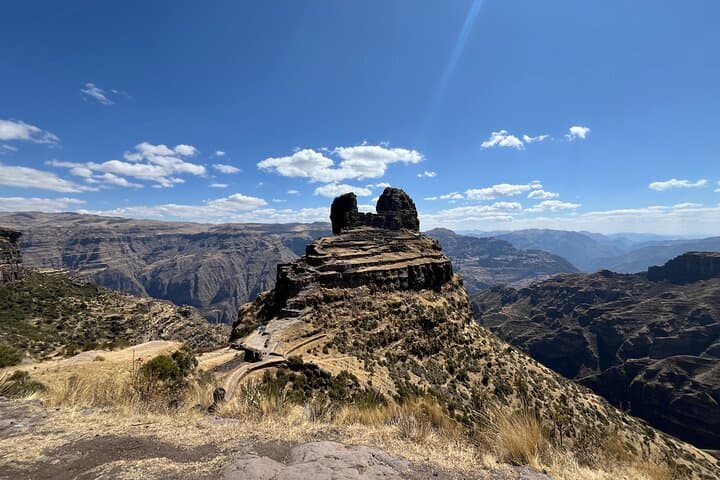
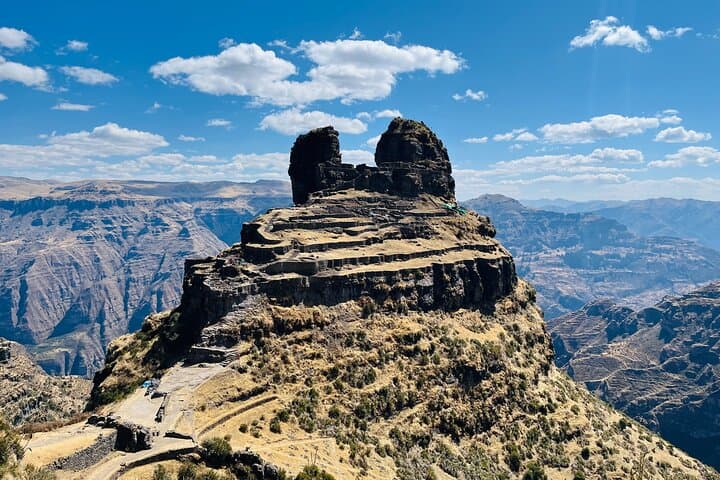
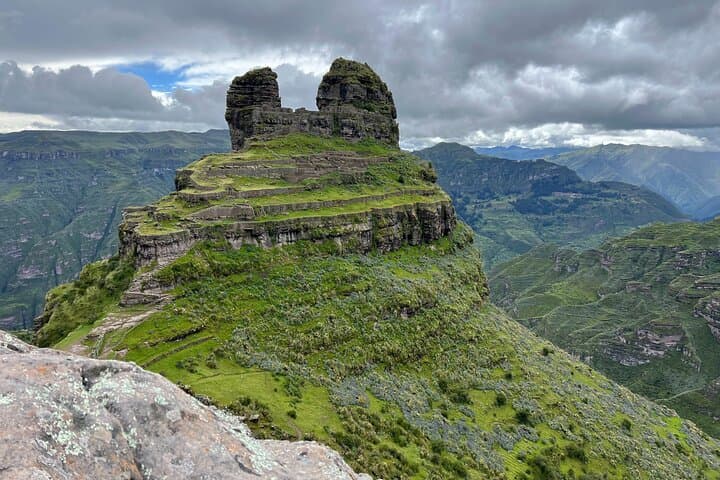
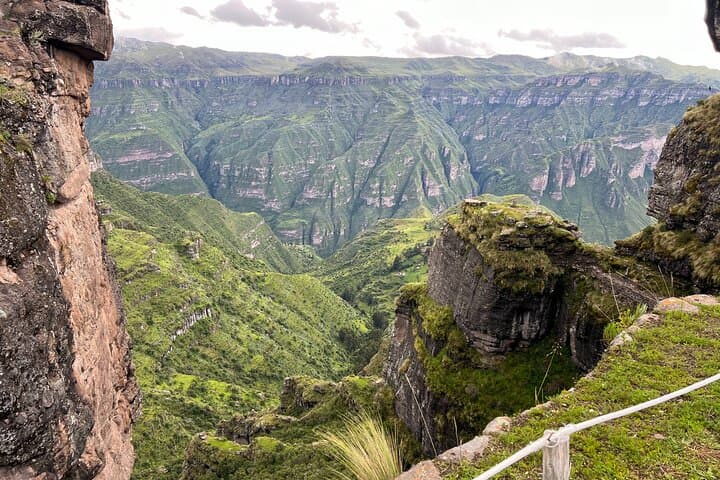
Waqrapukara is a fortified ridge complex with pre-Inca and Inca layers carved into horn-shaped sandstone cliffs. Geology here tells a simple story of uplift and erosion: steep escarpments framing the Apurímac River far below, river forces that over millennia cut the canyon and polished cliffs into dramatic forms. Guides point out construction details — carefully placed stone walls, narrow access routes — evidence of the site’s strategic and ceremonial role. Local Quechua culture remains present; language and highland herding rhythms color the day.
Practically, expect a sustained uphill of roughly 1.5 hours to the main viewpoint, uneven stone and dirt underfoot, and 90 minutes of exploration at altitude. Carry layers, pace the climb, and let the canyon command your attention: winds will prod you to move, sunlight will reward pauses. The return is a steady descent and a long drive back to Cusco, arriving early evening.
This is not a casual stroll but a concentrated day of high-elevation trekking, archaeology, and wide canyon views — an efficient way to step off the beaten path and into the Andes’ quieter history.
challenging.
12–13 hours.
Requires a high level of cardiovascular fitness and comfort hiking at 3,800–4,200 m (12,500–13,800 ft). Expect steep, sustained climbs and long day travel.
The climb is physically demanding due to elevation; even fit hikers should take it slowly, hydrate, and be alert for mild symptoms of altitude sickness.
Yes—professional guides explain Inca and pre-Inca features, access routes, and the horn-shaped formations; archaeology time is typically ~90 minutes.
Roundtrip transport from Cusco and boxed breakfast and lunch are included; vegetarian and vegan options are available on request.
The dry season (May–September) offers clearer skies and firmer trails, while the wet season brings mud and limited visibility—see seasonal notes for specifics.
Waqrapukara contains occupation and construction phases predating and during Inca control; its defensive position overlooks key canyon corridors.
The highland puna is fragile—stay on established trails, avoid disturbing archaeological stonework, and pack out all waste to limit erosion and cultural damage.
Huaynas Expeditions operates guided outdoor trips and adventures with an emphasis on safety, stewardship, and memorable experiences.
Morning light strips across highland grasses as a van lifts out of Cusco before dawn, the city shrinking into a scatter of adobe roofs while the Andes stretch and flex ahead. Travelers arrive at Pomacanchi Lagoon for a quiet boxed breakfast; the lake’s surface stares back like a calm witness before the climb. From Santa Lucía the trail tilts hard, and the land begins to speak in wind and rock.
Morning light strips across highland grasses as a van lifts out of Cusco before dawn, the city shrinking into a scatter of adobe roofs while the Andes stretch and flex ahead. Travelers arrive at Pomacanchi Lagoon for a quiet boxed breakfast; the lake’s surface stares back like a calm witness before the climb. From Santa Lucía the trail tilts hard, and the land begins to speak in wind and rock.
Waqrapukara is a fortified ridge complex with pre-Inca and Inca layers carved into horn-shaped sandstone cliffs. Geology here tells a simple story of uplift and erosion: steep escarpments framing the Apurímac River far below, river forces that over millennia cut the canyon and polished cliffs into dramatic forms. Guides point out construction details — carefully placed stone walls, narrow access routes — evidence of the site’s strategic and ceremonial role. Local Quechua culture remains present; language and highland herding rhythms color the day.
Practically, expect a sustained uphill of roughly 1.5 hours to the main viewpoint, uneven stone and dirt underfoot, and 90 minutes of exploration at altitude. Carry layers, pace the climb, and let the canyon command your attention: winds will prod you to move, sunlight will reward pauses. The return is a steady descent and a long drive back to Cusco, arriving early evening.
This is not a casual stroll but a concentrated day of high-elevation trekking, archaeology, and wide canyon views — an efficient way to step off the beaten path and into the Andes’ quieter history.