THE ADVENTURE COLLECTIVE® · Independent discovery and booking for outdoor travel

Hike to Waqrapukara, a horn-shaped Inca watchtower at 4,300 m, and take part in a traditional coca ceremony on a private full-day excursion from Cusco. Expect steep climbs, alpine winds, and sweeping valley views.
Hike to Waqrapukara, a horn-shaped Inca watchtower at 4,300 m, and take part in a traditional coca ceremony on a private full-day excursion from Cusco. Expect steep climbs, alpine winds, and sweeping valley views.
The day begins before dawn: a private transfer cuts through low clouds and high puna as headlights pick out llamas on the roadside. By the time you reach the village of Rinconada the air is thin and cold, and the trail ahead climbs, forcing the breath to slow and the legs to count each step.
Verified experiences and guided adventures in the surrounding area.
Operated by Chullos Travel Peru · Cusco, Cusco
The day begins before dawn: a private transfer cuts through low clouds and high puna as headlights pick out llamas on the roadside. By the time you reach the village of Rinconada the air is thin and cold, and the trail ahead climbs, forcing the breath to slow and the legs to count each step.
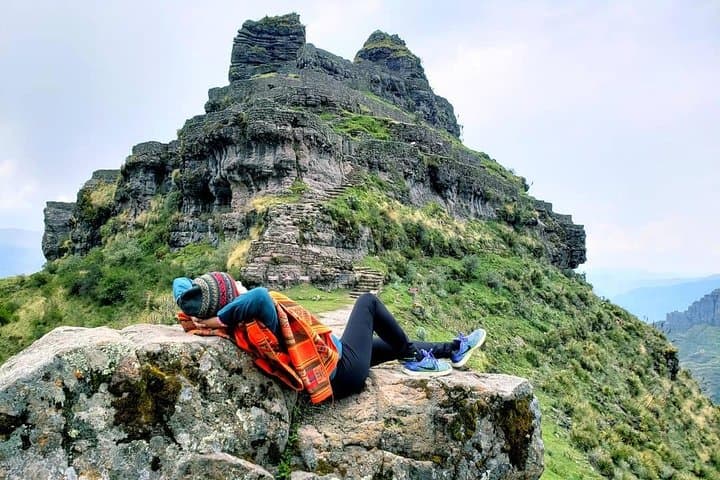
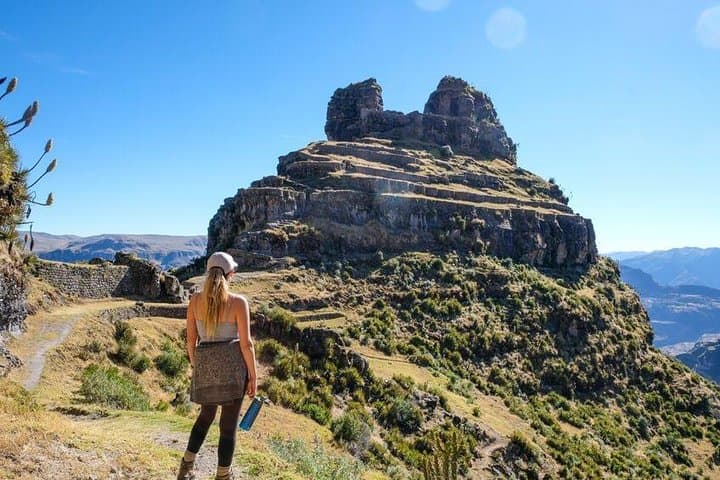
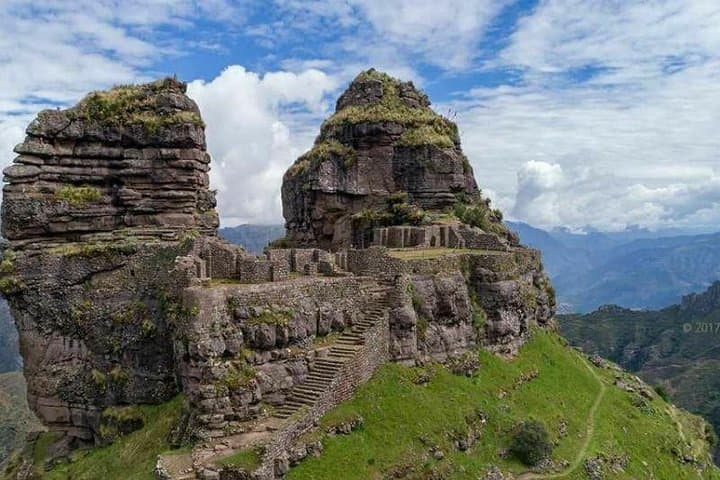
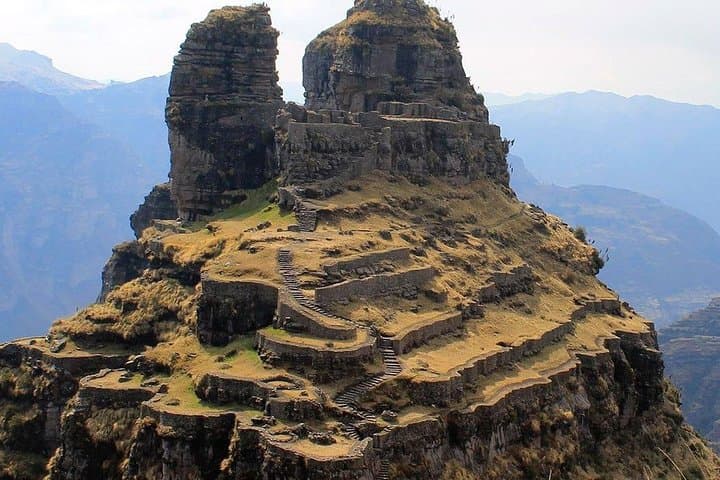
Waqrapukara — literally “horn-watchtower” in Quechua — sits at about 4,300 m on a steep ridge. The ruins are a late-Inca fortified ceremonial complex with terraces, stone towers and cave paintings carved into volcanic rock. Geologically, the site perches on uplifted Andes bedrock; wind and frost have sculpted the cliffs into sharp profiles that frame wide valley views. Culturally, guides often lead a coca-leaf ceremony here, a living Andean ritual that links modern communities with pre-Columbian spiritual practice.
Expect a steady uphill hike of roughly 2–3 hours from the trailhead, with exposed segments and loose scree near the summit. Condors and small vizcachas may watch you from ledges while the Pomacanchi lagoon shimmers below. The return brings a late lunch in Sangarara and a long drive back to Cusco.
Practical note: this is a high-altitude, full-day outing — hydrate the day before, pace your ascent, and layer for rapid temperature swings. Bring sunscreen, sun protection, and extra water; the guide provides walk sticks and oxygen assistance if needed. Start very early to avoid afternoon weather and to reserve energy for the steep final approach.
challenging.
12–13 hours.
Strong aerobic fitness and experience with steep uphill hiking at high altitude; regular walkers in good shape should be able to complete it with preparation.
The ascent is about 2–3 hours depending on pace and fitness; plan for a similar time down with stops at the site.
Possibly—Waqrapukara sits near 4,300 m; prior acclimatization, hydration, and a conservative pace reduce symptoms. The tour provides oxygen assistance if needed.
Yes, participation is voluntary; the guide will explain the ritual and its cultural significance before it begins.
Yes—breakfast, lunch, private hotel pick-up and return transportation are included in the excursion.
Waqrapukara was an Inca-era fortified ceremonial site — a horn-shaped watchtower and ceremonial plaza that controlled approaches through high valleys.
The puna grasses and archaeological stones are fragile; stick to trails, avoid climbing on ruins, and pack out all waste to protect the high-Andean environment.
Chullos Travel Peru operates guided outdoor trips and adventures with an emphasis on safety, stewardship, and memorable experiences.
The day begins before dawn: a private transfer cuts through low clouds and high puna as headlights pick out llamas on the roadside. By the time you reach the village of Rinconada the air is thin and cold, and the trail ahead climbs, forcing the breath to slow and the legs to count each step.
The day begins before dawn: a private transfer cuts through low clouds and high puna as headlights pick out llamas on the roadside. By the time you reach the village of Rinconada the air is thin and cold, and the trail ahead climbs, forcing the breath to slow and the legs to count each step.
Waqrapukara — literally “horn-watchtower” in Quechua — sits at about 4,300 m on a steep ridge. The ruins are a late-Inca fortified ceremonial complex with terraces, stone towers and cave paintings carved into volcanic rock. Geologically, the site perches on uplifted Andes bedrock; wind and frost have sculpted the cliffs into sharp profiles that frame wide valley views. Culturally, guides often lead a coca-leaf ceremony here, a living Andean ritual that links modern communities with pre-Columbian spiritual practice.
Expect a steady uphill hike of roughly 2–3 hours from the trailhead, with exposed segments and loose scree near the summit. Condors and small vizcachas may watch you from ledges while the Pomacanchi lagoon shimmers below. The return brings a late lunch in Sangarara and a long drive back to Cusco.
Practical note: this is a high-altitude, full-day outing — hydrate the day before, pace your ascent, and layer for rapid temperature swings. Bring sunscreen, sun protection, and extra water; the guide provides walk sticks and oxygen assistance if needed. Start very early to avoid afternoon weather and to reserve energy for the steep final approach.