THE ADVENTURE COLLECTIVE® · Independent discovery and booking for outdoor travel

A private full-day trek to Waqrapukara takes you off the standard Cusco circuit to a steep Inca fortress perched on limestone ridges. Expect a long, high-altitude day with rugged terrain, strong historical context, and sweeping valley views.
A private full-day trek to Waqrapukara takes you off the standard Cusco circuit to a steep Inca fortress perched on limestone ridges. Expect a long, high-altitude day with rugged terrain, strong historical context, and sweeping valley views.
You set out before dawn from Cusco, the van easing onto highland roads as the Andes open into ridges of scrub and limestone. By midmorning the trail climbs into thin air where wind shapes the grasses; the ruin of Waqrapukara sits on a knife-edge of rock, its walls and terraces carved into a steep headland that commands the valley below.
Verified experiences and guided adventures in the surrounding area.
Operated by Tayra Tours Adventures · Cusco, Cusco
You set out before dawn from Cusco, the van easing onto highland roads as the Andes open into ridges of scrub and limestone. By midmorning the trail climbs into thin air where wind shapes the grasses; the ruin of Waqrapukara sits on a knife-edge of rock, its walls and terraces carved into a steep headland that commands the valley below.
Waqrapukara is less-visited than Machu Picchu and preserves a raw Inca-era presence: defensive walls, trapezoidal niches and ceremonial plazas cut into volcanic stone. Geologically the site perches on folded sedimentary layers and fractured limestone that make the steps and terraces dramatic but uneven. Culturally this was a frontier fortress and ceremonial complex that bridged high puna communities and lower river valleys; expect local shepherding traditions and highland potato plots along the way.
Practically, the trek is a full-day private outing—hotel pickup at 5:00 a.m., breakfast en route, and a buffet lunch included. Terrain alternates packed dirt, scree, and carved stone steps with sustained climbs; altitude reaches above 3,800–4,000 m so pace and acclimatization matter. Bring layered clothing, sun protection, plenty of water and traction-friendly boots. Guides typically provide historical context and route navigation; cell service is intermittent, and weather can flip from sun to wind-driven rain quickly.
Arrive ready for a demanding but rewarding day where the mountains feel active—the wind seems to test you, the cliffs dare you to peer over them—and you leave with a clearer sense of the Andes’ scale and Inca engineering.
challenging.
12 hours.
You should have strong cardiovascular fitness and previous full-day trek experience at altitude; regular hikers with acclimatization will be comfortable.
The private full-day tour runs about 12 hours door-to-door, with hiking reaching roughly 3,800–4,000 meters elevation; plan for sustained climbs and descents.
This route is best for experienced day-hikers who are acclimatized to altitude; beginners should acclimatize first and consider easier alternatives around Cusco.
Typical inclusions are private roundtrip transportation from your hotel, breakfast, buffet lunch, entrance fee, and a professional guide as listed by the operator.
Cell service is intermittent near Waqrapukara and facilities are minimal—use restrooms at departure points and carry essentials on the trail.
Waqrapukara served as a highland defensive and ceremonial complex during the Inca period, strategically placed on steep ridgelines to control valley routes.
The puna grasslands and archaeological stonework are sensitive—stay on marked trails, pack out waste, and avoid touching fragile masonry.
Tayra Tours Adventures operates guided outdoor trips and adventures with an emphasis on safety, stewardship, and memorable experiences.
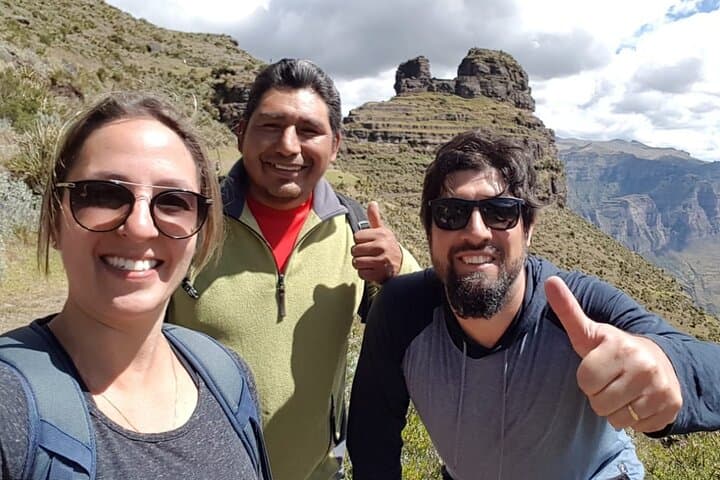
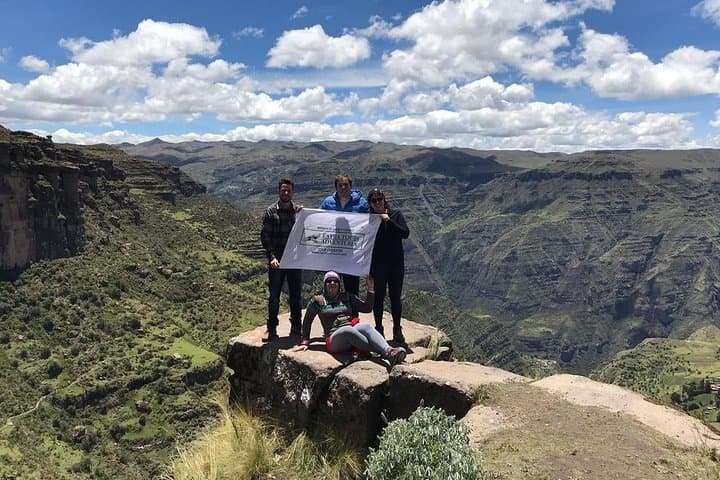
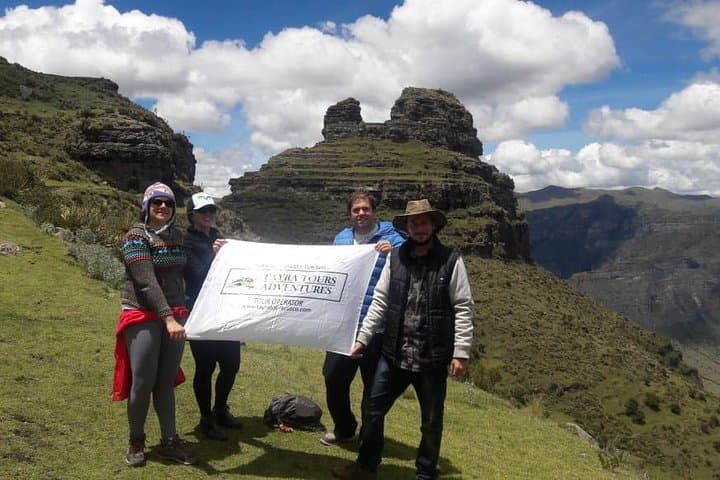
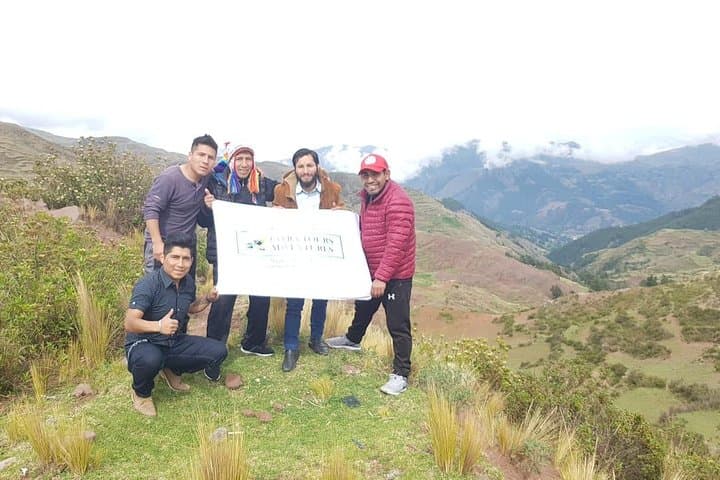
You set out before dawn from Cusco, the van easing onto highland roads as the Andes open into ridges of scrub and limestone. By midmorning the trail climbs into thin air where wind shapes the grasses; the ruin of Waqrapukara sits on a knife-edge of rock, its walls and terraces carved into a steep headland that commands the valley below.
You set out before dawn from Cusco, the van easing onto highland roads as the Andes open into ridges of scrub and limestone. By midmorning the trail climbs into thin air where wind shapes the grasses; the ruin of Waqrapukara sits on a knife-edge of rock, its walls and terraces carved into a steep headland that commands the valley below.
Waqrapukara is less-visited than Machu Picchu and preserves a raw Inca-era presence: defensive walls, trapezoidal niches and ceremonial plazas cut into volcanic stone. Geologically the site perches on folded sedimentary layers and fractured limestone that make the steps and terraces dramatic but uneven. Culturally this was a frontier fortress and ceremonial complex that bridged high puna communities and lower river valleys; expect local shepherding traditions and highland potato plots along the way.
Practically, the trek is a full-day private outing—hotel pickup at 5:00 a.m., breakfast en route, and a buffet lunch included. Terrain alternates packed dirt, scree, and carved stone steps with sustained climbs; altitude reaches above 3,800–4,000 m so pace and acclimatization matter. Bring layered clothing, sun protection, plenty of water and traction-friendly boots. Guides typically provide historical context and route navigation; cell service is intermittent, and weather can flip from sun to wind-driven rain quickly.
Arrive ready for a demanding but rewarding day where the mountains feel active—the wind seems to test you, the cliffs dare you to peer over them—and you leave with a clearer sense of the Andes’ scale and Inca engineering.