THE ADVENTURE COLLECTIVE® · Independent discovery and booking for outdoor travel

A full-day trek from Cusco to the imposing Waqrapukara archaeological complex, traversing high Andean valleys, Inca terraces and rock art. Early pickup, steady uphill hiking and expansive mountain views make this a rewarding day for moderately fit trekkers.
A full-day trek from Cusco to the imposing Waqrapukara archaeological complex, traversing high Andean valleys, Inca terraces and rock art. Early pickup, steady uphill hiking and expansive mountain views make this a rewarding day for moderately fit trekkers.
Before dawn the van pulls away from Cusco and the Andes open up like a map of ridges and colors. By first light you’re passing the glassy Pomacanchi lagoon; the air is thin and cold, and the mountains around Sangarara already look like places that have kept secrets for centuries. The trail climbs steadily, alternating grassy slopes and stone terraces, until the jagged silhouette of Waqrapukara appears: a fortress-like cluster of terraces, towers and a clearly oriented Sun Temple carved into a ridge.
Verified experiences and guided adventures in the surrounding area.
Operated by Sun Paths · Cusco, Cusco Region
Before dawn the van pulls away from Cusco and the Andes open up like a map of ridges and colors. By first light you’re passing the glassy Pomacanchi lagoon; the air is thin and cold, and the mountains around Sangarara already look like places that have kept secrets for centuries. The trail climbs steadily, alternating grassy slopes and stone terraces, until the jagged silhouette of Waqrapukara appears: a fortress-like cluster of terraces, towers and a clearly oriented Sun Temple carved into a ridge.
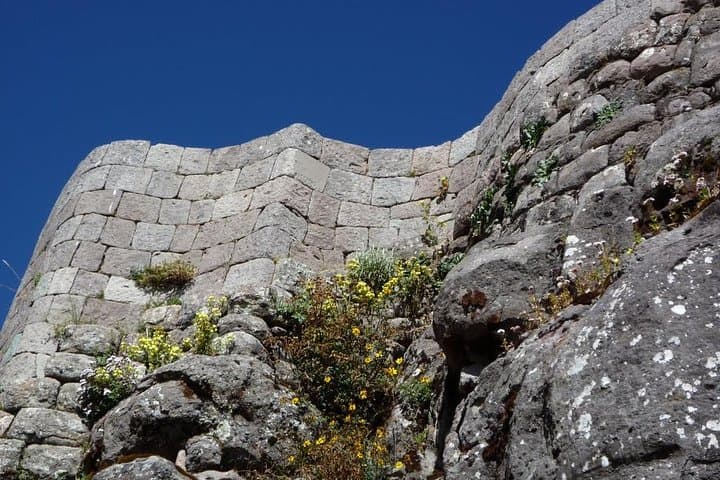
Waqrapukara was an important Inca complex whose plazas, terraces and rock paintings speak to pre-Columbian ritual and strategic planning. The geology is high-Andean schist and volcanic stone carved by glaciers and wind, which gives the site its dramatic ridgelines and guard-tower profiles. Local Quechua communities still manage much of the surrounding land and will often greet trekkers with practiced hospitality.
Practically: expect a full 8-hour day with early hotel pickup (around 3:30am), a steady uphill approach at high altitude and roughly 4–6 km of trekking each way depending on the route. Elevations approach 4,000–4,300 m; acclimatization in Cusco for 1–2 days helps. Trails are a mix of packed earth, loose scree and Inca stonework—good boots and layers are essential. Plan for strong sun, sudden wind and limited services at the site; your guide handles permits and history while you focus on pacing, photos and breathing.
The reward is clear: an expansive archaeological park with terraces, cave paintings and sweeping Andean panoramas—raw, accessible and rooted in living highland culture.
moderate.
8 hours.
Moderate fitness: regular walkers who can handle uphill hiking at altitude; brief steep sections and uneven stonework.
The tour is a full 8-hour day with steady uphill stretches; most groups walk 4–6 km each way with time at the archaeological site for exploration and photos.
Yes — the site approaches 4,000 m. Spend 1–2 days in Cusco to acclimatize, hydrate, avoid heavy meals the night before and tell your guide if you feel symptoms.
Yes — the tour typically includes hotel pickup, round-trip transport, breakfast, lunch and a professional guide as listed in the inclusions.
Facilities are limited; there may be basic restrooms at the community start and lunch area in Sangarara, but not at the archaeological ridge itself.
Waqrapukara served as a ceremonial and defensive complex in Inca times, featuring a Sun Temple, terraces and plazas with rock art indicating ritual activity.
High-Andean grasslands are fragile; stick to marked paths, pack out waste and support local guides who help protect the site and community stewardship.
Sun Paths operates guided outdoor trips and adventures with an emphasis on safety, stewardship, and memorable experiences.
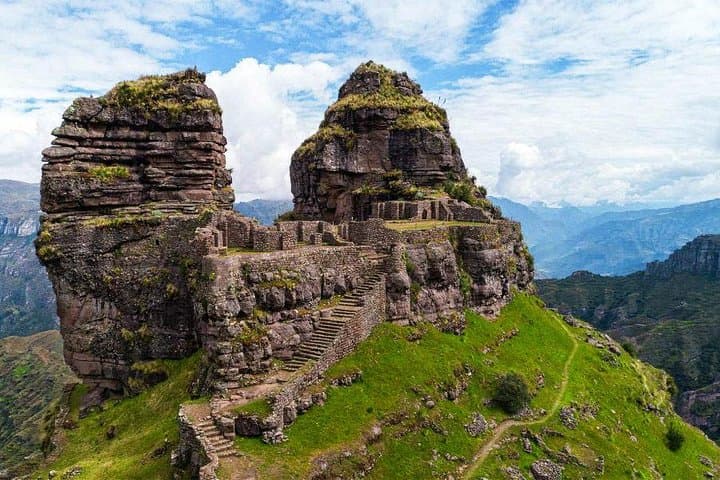
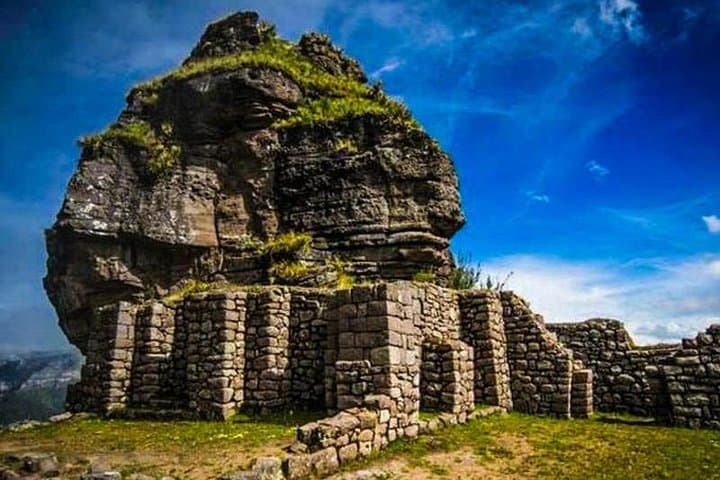
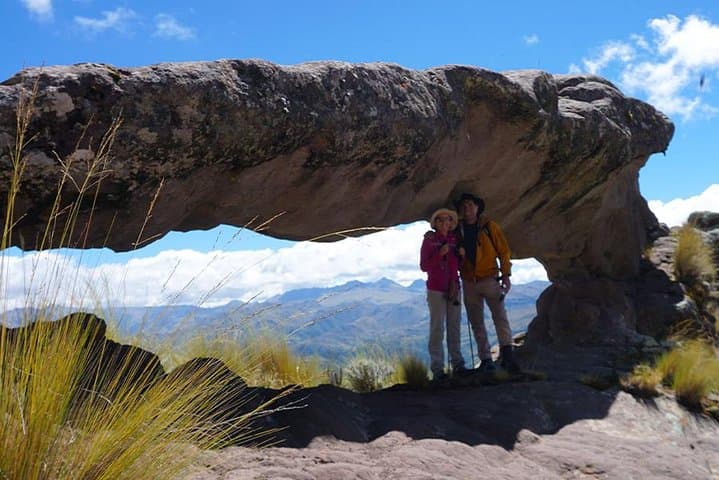
Before dawn the van pulls away from Cusco and the Andes open up like a map of ridges and colors. By first light you’re passing the glassy Pomacanchi lagoon; the air is thin and cold, and the mountains around Sangarara already look like places that have kept secrets for centuries. The trail climbs steadily, alternating grassy slopes and stone terraces, until the jagged silhouette of Waqrapukara appears: a fortress-like cluster of terraces, towers and a clearly oriented Sun Temple carved into a ridge.
Before dawn the van pulls away from Cusco and the Andes open up like a map of ridges and colors. By first light you’re passing the glassy Pomacanchi lagoon; the air is thin and cold, and the mountains around Sangarara already look like places that have kept secrets for centuries. The trail climbs steadily, alternating grassy slopes and stone terraces, until the jagged silhouette of Waqrapukara appears: a fortress-like cluster of terraces, towers and a clearly oriented Sun Temple carved into a ridge.
Waqrapukara was an important Inca complex whose plazas, terraces and rock paintings speak to pre-Columbian ritual and strategic planning. The geology is high-Andean schist and volcanic stone carved by glaciers and wind, which gives the site its dramatic ridgelines and guard-tower profiles. Local Quechua communities still manage much of the surrounding land and will often greet trekkers with practiced hospitality.
Practically: expect a full 8-hour day with early hotel pickup (around 3:30am), a steady uphill approach at high altitude and roughly 4–6 km of trekking each way depending on the route. Elevations approach 4,000–4,300 m; acclimatization in Cusco for 1–2 days helps. Trails are a mix of packed earth, loose scree and Inca stonework—good boots and layers are essential. Plan for strong sun, sudden wind and limited services at the site; your guide handles permits and history while you focus on pacing, photos and breathing.
The reward is clear: an expansive archaeological park with terraces, cave paintings and sweeping Andean panoramas—raw, accessible and rooted in living highland culture.