THE ADVENTURE COLLECTIVE® · Independent discovery and booking for outdoor travel

A remote Inca site carved into Andean ridges, Waqrapukara rewards hikers with a sun-facing niche, ridge-top tombs, and sweeping valley views. This full-day trek demands acclimatization and steady legs but offers solitude few other Cusco sites provide.
A remote Inca site carved into Andean ridges, Waqrapukara rewards hikers with a sun-facing niche, ridge-top tombs, and sweeping valley views. This full-day trek demands acclimatization and steady legs but offers solitude few other Cusco sites provide.
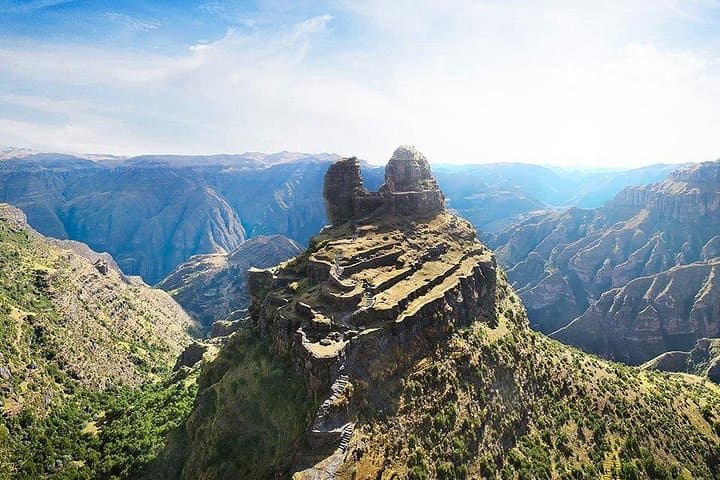
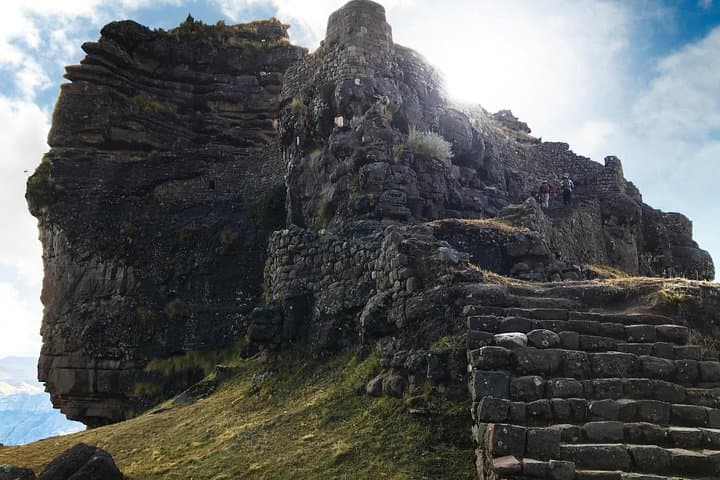
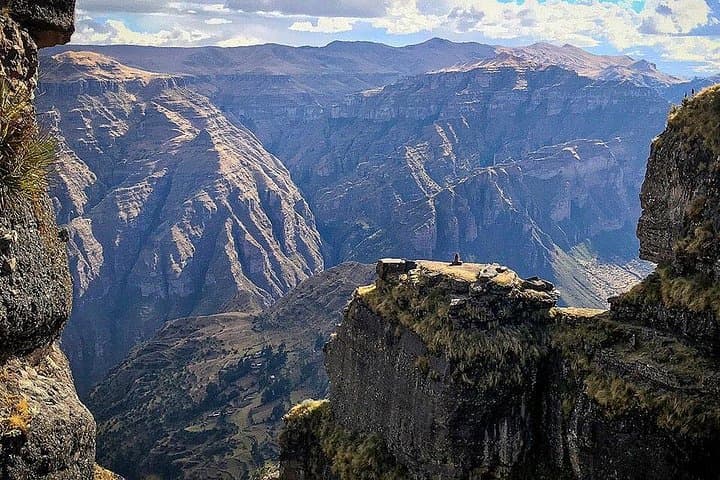
Rise before dawn and the valley exhales cold, thin air as you drive away from Cusco. By the time you start the trail, wind and rock have already shaped the day: steep switchbacks that climb into a ring of ridges, open terraces that drop away to a patchwork of fields, and a final approach where a vaulted three-jamb niche aligns with the sunrise—an architectural gesture that marks Waqrapukara’s rarity.
Verified experiences and guided adventures in the surrounding area.
Operated by Travel and Healing · Cusco, Cusco Region
Rise before dawn and the valley exhales cold, thin air as you drive away from Cusco. By the time you start the trail, wind and rock have already shaped the day: steep switchbacks that climb into a ring of ridges, open terraces that drop away to a patchwork of fields, and a final approach where a vaulted three-jamb niche aligns with the sunrise—an architectural gesture that marks Waqrapukara’s rarity.
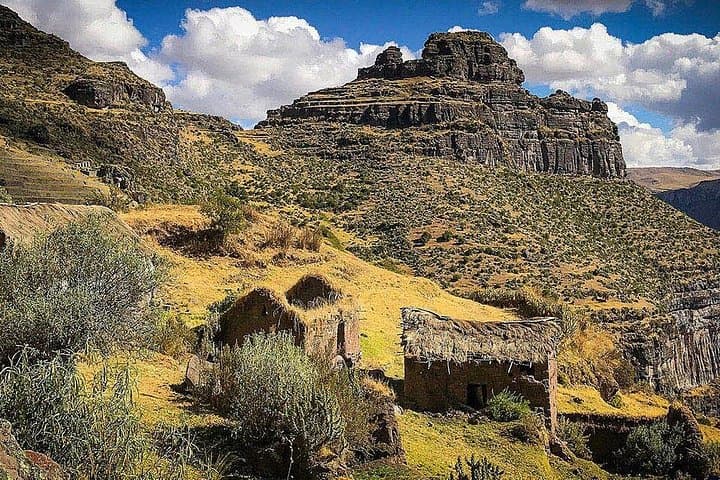
The site sits apart from classic Inca circuits. Built in seclusion, its stonework and solar-facing niche suggest ritual importance; local accounts and archaeologists point to a mix of defensive placement and ceremonial use. Geologically the area is folded Andean bedrock—weathered sandstone and volcanic intrusions that create narrow ridges and abrupt viewpoints. Culturally you’ll pass through villages where Quechua life is visible in terraced agriculture and shepherds guiding alpacas at the edge of the trail.
Expect a long, demanding day at altitude: the route is primarily singletrack and steep dirt with short rock scrambles and exposed viewpoints. The air will push against you; water and pacing are your allies. Photograph the niche at sunrise if you can, and look for small tombs on the ridge if your guide includes the two-day extension.
Practical guidance: acclimatize in Cusco for 48+ hours, carry 2–3 liters of water, use layered clothing for variable mountain weather, and bring cash for village snacks. Guides typically include lunch and basic permits; confirm pickup times the night before. This is a hike for travelers who want isolation, archaeological mystery, and big Andean views rather than crowds.
challenging.
10–12 hours.
Good cardiovascular fitness and strong legs for sustained uphill; prior day hikes at altitude recommended
The route is steep and at high altitude; beginners should have recent hiking experience and allow time to acclimatize before attempting it.
Guides aren’t legally required but are strongly recommended for navigation, local insight, and coordination of transport and permits.
The dry season (May–September) offers the most reliable weather and clearer views; afternoons can still turn stormy near the shoulder months.
Facilities are minimal—plan for basic needs in villages or at the trailhead and pack out waste where necessary.
Waqrapukara’s isolated architecture and solar-aligned niche suggest ceremonial importance and possible connections to local pre-Inca groups and Inca-era ritual practices.
The site is fragile; stay on established paths, avoid touching archaeological masonry, and support local guides who contribute to site stewardship.
Travel and Healing operates guided outdoor trips and adventures with an emphasis on safety, stewardship, and memorable experiences.
Rise before dawn and the valley exhales cold, thin air as you drive away from Cusco. By the time you start the trail, wind and rock have already shaped the day: steep switchbacks that climb into a ring of ridges, open terraces that drop away to a patchwork of fields, and a final approach where a vaulted three-jamb niche aligns with the sunrise—an architectural gesture that marks Waqrapukara’s rarity.
Rise before dawn and the valley exhales cold, thin air as you drive away from Cusco. By the time you start the trail, wind and rock have already shaped the day: steep switchbacks that climb into a ring of ridges, open terraces that drop away to a patchwork of fields, and a final approach where a vaulted three-jamb niche aligns with the sunrise—an architectural gesture that marks Waqrapukara’s rarity.
The site sits apart from classic Inca circuits. Built in seclusion, its stonework and solar-facing niche suggest ritual importance; local accounts and archaeologists point to a mix of defensive placement and ceremonial use. Geologically the area is folded Andean bedrock—weathered sandstone and volcanic intrusions that create narrow ridges and abrupt viewpoints. Culturally you’ll pass through villages where Quechua life is visible in terraced agriculture and shepherds guiding alpacas at the edge of the trail.
Expect a long, demanding day at altitude: the route is primarily singletrack and steep dirt with short rock scrambles and exposed viewpoints. The air will push against you; water and pacing are your allies. Photograph the niche at sunrise if you can, and look for small tombs on the ridge if your guide includes the two-day extension.
Practical guidance: acclimatize in Cusco for 48+ hours, carry 2–3 liters of water, use layered clothing for variable mountain weather, and bring cash for village snacks. Guides typically include lunch and basic permits; confirm pickup times the night before. This is a hike for travelers who want isolation, archaeological mystery, and big Andean views rather than crowds.