THE ADVENTURE COLLECTIVE® · Independent discovery and booking for outdoor travel

A long alpine day from Cusco, this hike climbs to Waqrapukara — a horn-shaped Inca watchtower at 4,300 m. Expect steep uphill walking, volcanic rock terraces, cave paintings and sweeping highland views on a 12–13 hour excursion.
A long alpine day from Cusco, this hike climbs to Waqrapukara — a horn-shaped Inca watchtower at 4,300 m. Expect steep uphill walking, volcanic rock terraces, cave paintings and sweeping highland views on a 12–13 hour excursion.
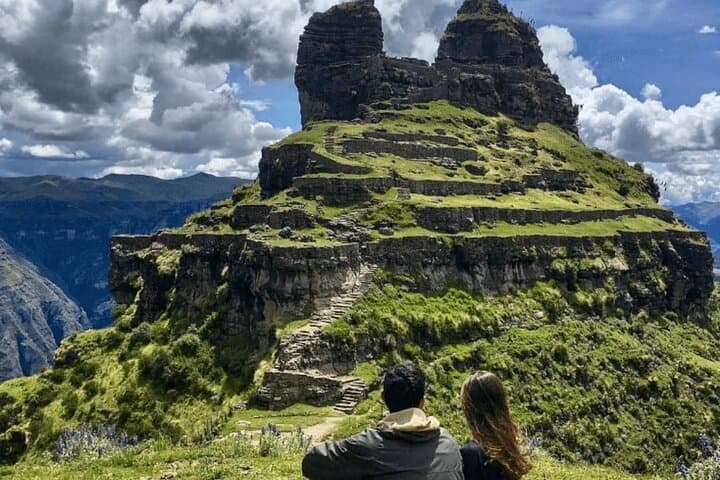
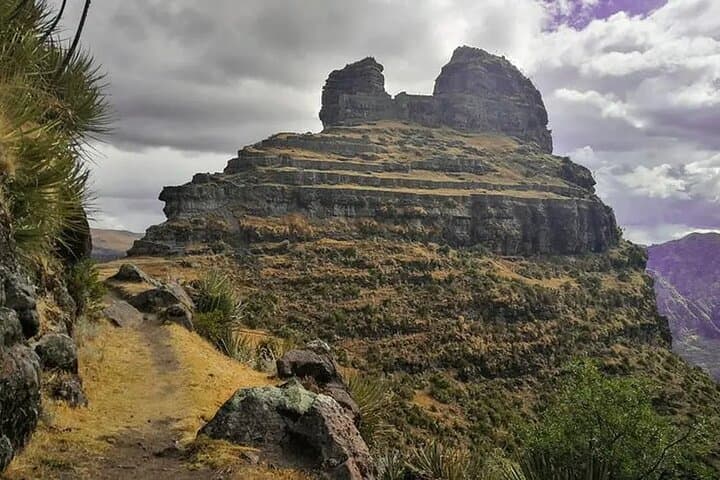
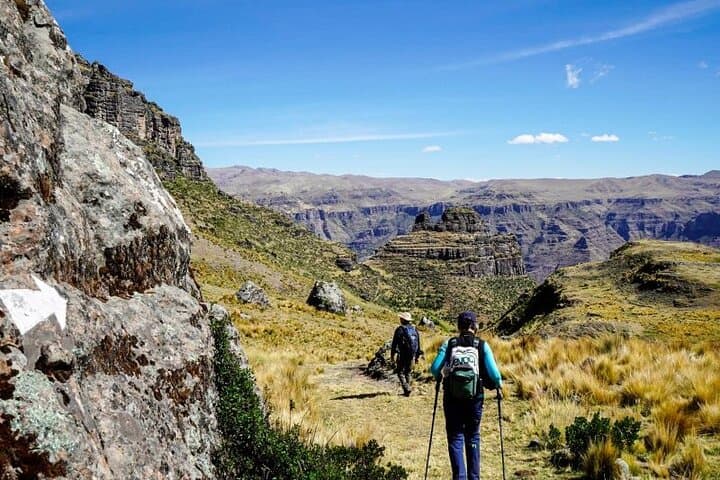
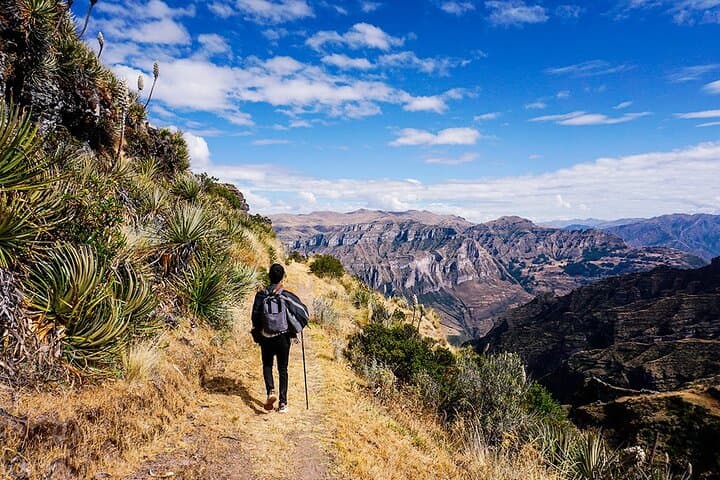
Before dawn a van peels away from Cusco and the road narrows into high puna pastures; by the time the light climbs the ridge you’re standing at the trailhead in Rinconada, breath visible, pack cinched tight. The ascent to Waqrapukara forces a clean trade: effort for perspective — two-and-a-half hours of steady uphill through ichu grass and rocky switchbacks, then a ruined complex that juts from the ridge like the prow of a stone ship.
Verified experiences and guided adventures in the surrounding area.
Operated by Amaru Explorer Peru · Pomacanchi, Cusco
Before dawn a van peels away from Cusco and the road narrows into high puna pastures; by the time the light climbs the ridge you’re standing at the trailhead in Rinconada, breath visible, pack cinched tight. The ascent to Waqrapukara forces a clean trade: effort for perspective — two-and-a-half hours of steady uphill through ichu grass and rocky switchbacks, then a ruined complex that juts from the ridge like the prow of a stone ship.
Waqrapukara (Waqra = horn, Pukara = watchtower) was an Inca military and ceremonial site sited at about 4,300 m a.s.l. The layout includes a main plaza, terrace systems, twin towers and the so-called Intipunku — a door of the sun — plus cave paintings that predate later modifications. The geology is compacted volcanic tuff and sandstone, weathered into terraces and sharp escarpments that channel wind and light across the site.
Local culture in nearby villages remains Quechua-speaking and pastoral; communities like Chuquicahuana and Sangarara serve breakfast and keep pastoral routes open. Expect alpacas and llamas grazing on the slopes and a hospitality rooted in highland rhythms.
Practical guidance: depart early (pickup around 4:00–4:30 a.m.), plan for a 12–13 hour day including 3 hours’ drive each way and about 5–6 hours on the trail. Acclimatization is essential — spend at least 48 hours in Cusco or higher before attempting the hike. Wear stiff-soled boots, layer for sun and alpine wind, carry 2–3 liters of water, and use trekking poles for the steep sections. The tour typically includes breakfast, lunch and oxygen assistance; respect archaeological limits and stay on marked paths to protect fragile stonework.
challenging.
12–13 hours.
Should be in good aerobic shape with experience on sustained uphill hikes; prior acclimatization required.
Waqrapukara sits around 4,300 m (14,100 ft). Many visitors feel mild symptoms; proper acclimatization and hydration reduce risk, and the tour includes oxygen assistance if needed.
The uphill walk is steady and steep in places, about 2.5 hours each way for people of moderate fitness; loose rocks and exposed sections make good footwear and poles advisable.
Guiding and transportation are included on the group tour; check the operator for whether national archaeological admission is covered, as policies can vary.
Bring a sun hat, sunglasses, SPF 30+ sunscreen, and windproof layers — sun is strong at altitude and conditions change quickly.
Waqrapukara functioned as both a strategic watchtower and ceremonial complex during the Inca era; its horn-shaped towers are named in Quechua and reflect military and ritual architecture.
The site is sensitive to foot traffic and weathering; visitors should stay on established paths, avoid touching carved masonry, and support local guides who promote responsible visitation.
Amaru Explorer Peru operates guided outdoor trips and adventures with an emphasis on safety, stewardship, and memorable experiences.
Before dawn a van peels away from Cusco and the road narrows into high puna pastures; by the time the light climbs the ridge you’re standing at the trailhead in Rinconada, breath visible, pack cinched tight. The ascent to Waqrapukara forces a clean trade: effort for perspective — two-and-a-half hours of steady uphill through ichu grass and rocky switchbacks, then a ruined complex that juts from the ridge like the prow of a stone ship.
Before dawn a van peels away from Cusco and the road narrows into high puna pastures; by the time the light climbs the ridge you’re standing at the trailhead in Rinconada, breath visible, pack cinched tight. The ascent to Waqrapukara forces a clean trade: effort for perspective — two-and-a-half hours of steady uphill through ichu grass and rocky switchbacks, then a ruined complex that juts from the ridge like the prow of a stone ship.
Waqrapukara (Waqra = horn, Pukara = watchtower) was an Inca military and ceremonial site sited at about 4,300 m a.s.l. The layout includes a main plaza, terrace systems, twin towers and the so-called Intipunku — a door of the sun — plus cave paintings that predate later modifications. The geology is compacted volcanic tuff and sandstone, weathered into terraces and sharp escarpments that channel wind and light across the site.
Local culture in nearby villages remains Quechua-speaking and pastoral; communities like Chuquicahuana and Sangarara serve breakfast and keep pastoral routes open. Expect alpacas and llamas grazing on the slopes and a hospitality rooted in highland rhythms.
Practical guidance: depart early (pickup around 4:00–4:30 a.m.), plan for a 12–13 hour day including 3 hours’ drive each way and about 5–6 hours on the trail. Acclimatization is essential — spend at least 48 hours in Cusco or higher before attempting the hike. Wear stiff-soled boots, layer for sun and alpine wind, carry 2–3 liters of water, and use trekking poles for the steep sections. The tour typically includes breakfast, lunch and oxygen assistance; respect archaeological limits and stay on marked paths to protect fragile stonework.