THE ADVENTURE COLLECTIVE® · Independent discovery and booking for outdoor travel

A full-day trek from Cusco to Waqrapukara puts you on an ancient stone fortress rimmed by canyon walls and condor thermals. Expect high-elevation hiking, dramatic geology, and views over Pomacanchi Lagoon.
A full-day trek from Cusco to Waqrapukara puts you on an ancient stone fortress rimmed by canyon walls and condor thermals. Expect high-elevation hiking, dramatic geology, and views over Pomacanchi Lagoon.
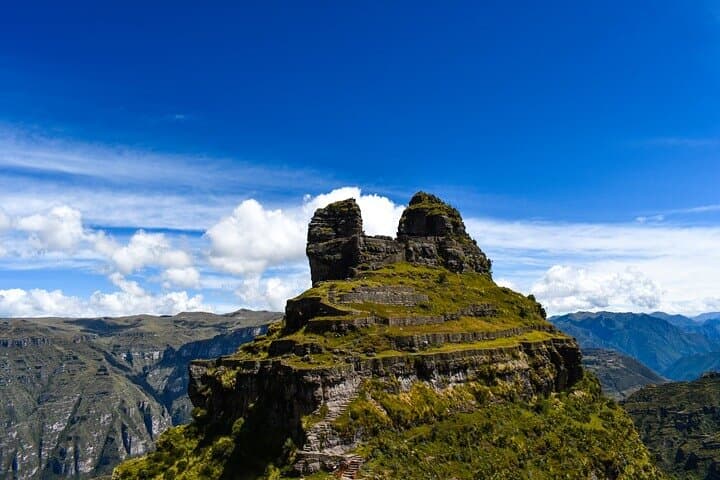
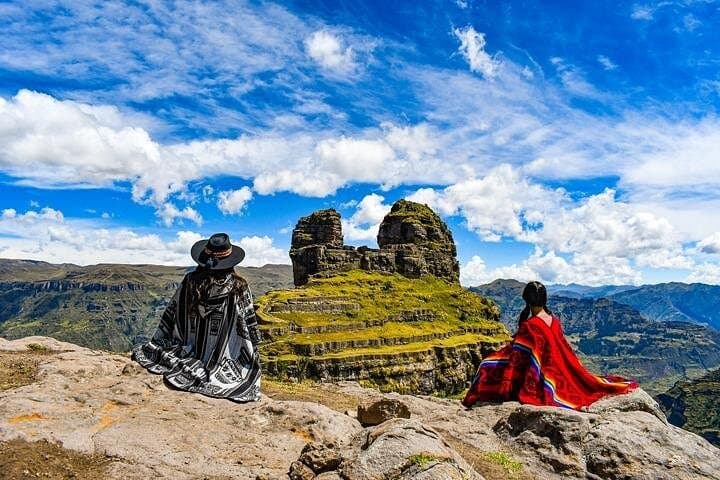
You step off the van at a windswept roadside near Santa Lucía and immediately feel the altitude—thin air that sharpens sightlines and gives the canyon edges a hard clarity. The trail climbs steadily through high puna grass and stone terraces; behind you, the silhouette of the Andes presses into the sky. Condors wheel in the updrafts above a serrated rock fortress: Waqrapukara.
Verified experiences and guided adventures in the surrounding area.
Operated by X Travel Peru · Cusco, Cusco
You step off the van at a windswept roadside near Santa Lucía and immediately feel the altitude—thin air that sharpens sightlines and gives the canyon edges a hard clarity. The trail climbs steadily through high puna grass and stone terraces; behind you, the silhouette of the Andes presses into the sky. Condors wheel in the updrafts above a serrated rock fortress: Waqrapukara.
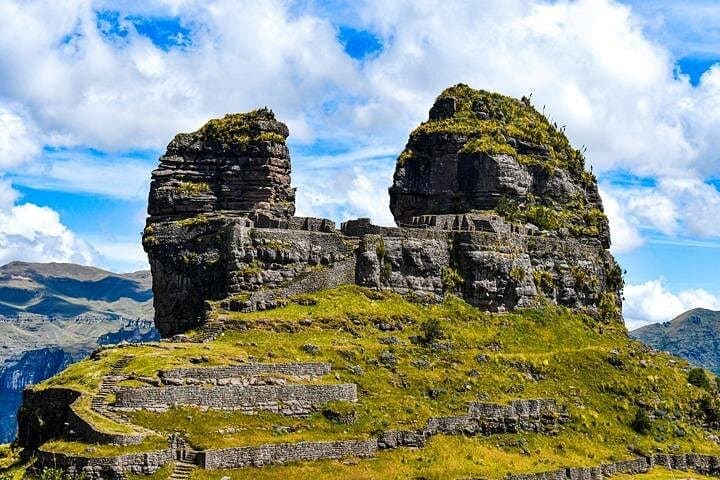
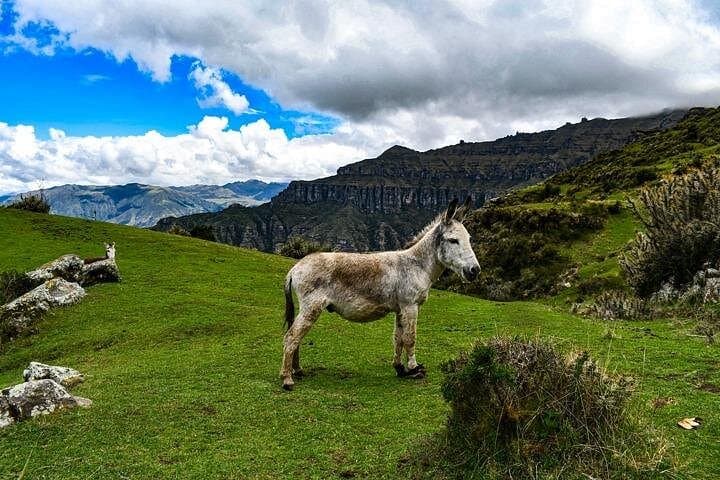
Waqrapukara is an Inca-era rock complex set on a natural outcrop, with terraces and ruined walls that follow the natural folds of the rock. Geologically, the site sits on folded sedimentary formations cut by deep river canyons; erosion has left dramatic ribs and pinnacles that give the fortress its name—'horned fortress.' Locals in the Pomacanchi area maintain pastoral traditions of llama and alpaca herding and will often greet hikers along the route.
Practical guidance: expect a 10–11 hour day with around 1–2 hours of uphill walking from the pickup point at Santa Lucía to the site. Trails are a mix of packed dirt, loose scree and stepped terraces; footing can be uneven. Altitude can affect pace—carry water, eat a solid breakfast, and move deliberately on steeper pitches. Photography is best mid-morning when the canyon shadows drop away; condors are most often seen soaring on thermal lifts near midday.
The tour typically includes transport, breakfast, lunch and an official guide; organizers often carry oxygen and first aid. Footwear with good grip, layered clothing for sun and wind, and time to acclimatize in Cusco will make the day far more enjoyable.
moderate.
10–11 hours.
Good cardiovascular conditioning and experience with sustained uphill hikes at altitude; ability to walk on uneven terrain for several hours.
The uphill walk from the Santa Lucía drop-off to Waqrapukara is roughly 45–90 minutes depending on pace and acclimatization; the full outing including transport runs 10–11 hours.
Condors inhabit the canyon and are often seen riding thermals near the fortress, especially late morning to early afternoon, but sightings cannot be guaranteed.
The walk includes uneven terrain and stepped terraces; it’s not recommended for travelers with significant mobility limitations or small children without hiking experience.
Typical inclusions are round-trip transport from Cusco, breakfast, lunch, an official guide, and basic first aid supplies; some operators also carry supplemental oxygen.
Waqrapukara shows Inca-era stonework integrated with natural rock outcrops and terraced agriculture linked to pre-Columbian highland settlement patterns.
The puna grasslands and fragile terraces are vulnerable to erosion and overgrazing—stay on marked paths, avoid trampling vegetation, and pack out waste.
X Travel Peru operates guided outdoor trips and adventures with an emphasis on safety, stewardship, and memorable experiences.
You step off the van at a windswept roadside near Santa Lucía and immediately feel the altitude—thin air that sharpens sightlines and gives the canyon edges a hard clarity. The trail climbs steadily through high puna grass and stone terraces; behind you, the silhouette of the Andes presses into the sky. Condors wheel in the updrafts above a serrated rock fortress: Waqrapukara.
You step off the van at a windswept roadside near Santa Lucía and immediately feel the altitude—thin air that sharpens sightlines and gives the canyon edges a hard clarity. The trail climbs steadily through high puna grass and stone terraces; behind you, the silhouette of the Andes presses into the sky. Condors wheel in the updrafts above a serrated rock fortress: Waqrapukara.
Waqrapukara is an Inca-era rock complex set on a natural outcrop, with terraces and ruined walls that follow the natural folds of the rock. Geologically, the site sits on folded sedimentary formations cut by deep river canyons; erosion has left dramatic ribs and pinnacles that give the fortress its name—'horned fortress.' Locals in the Pomacanchi area maintain pastoral traditions of llama and alpaca herding and will often greet hikers along the route.
Practical guidance: expect a 10–11 hour day with around 1–2 hours of uphill walking from the pickup point at Santa Lucía to the site. Trails are a mix of packed dirt, loose scree and stepped terraces; footing can be uneven. Altitude can affect pace—carry water, eat a solid breakfast, and move deliberately on steeper pitches. Photography is best mid-morning when the canyon shadows drop away; condors are most often seen soaring on thermal lifts near midday.
The tour typically includes transport, breakfast, lunch and an official guide; organizers often carry oxygen and first aid. Footwear with good grip, layered clothing for sun and wind, and time to acclimatize in Cusco will make the day far more enjoyable.