THE ADVENTURE COLLECTIVE® · Independent discovery and booking for outdoor travel

A two-day, off-the-beaten-path trek from Cusco to the high-altitude Inca site of Waqrapukara. Expect steep climbs, an overnight camp, sweeping Apurimac valley views and authentic Quechua highland culture.
A two-day, off-the-beaten-path trek from Cusco to the high-altitude Inca site of Waqrapukara. Expect steep climbs, an overnight camp, sweeping Apurimac valley views and authentic Quechua highland culture.
Dawn breaks over a serrated ridge as your minivan leaves Cusco and the air thins toward Campi. By the time you start walking from Rinconada, four thousand forty-five meters, the world has been reduced to footfalls.
Verified experiences and guided adventures in the surrounding area.
Operated by CrossoverPeru Tours · Cusco, Cusco
Dawn breaks over a serrated ridge as your minivan leaves Cusco and the air thins toward Campi. By the time you start walking from Rinconada, four thousand forty-five meters, the world has been reduced to footfalls.
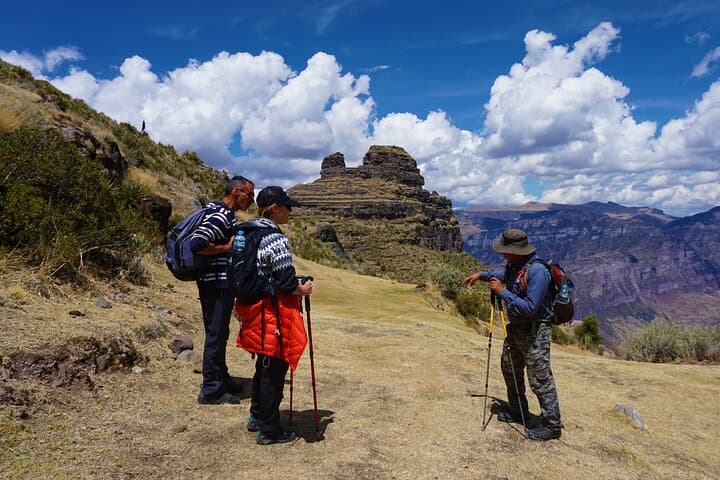
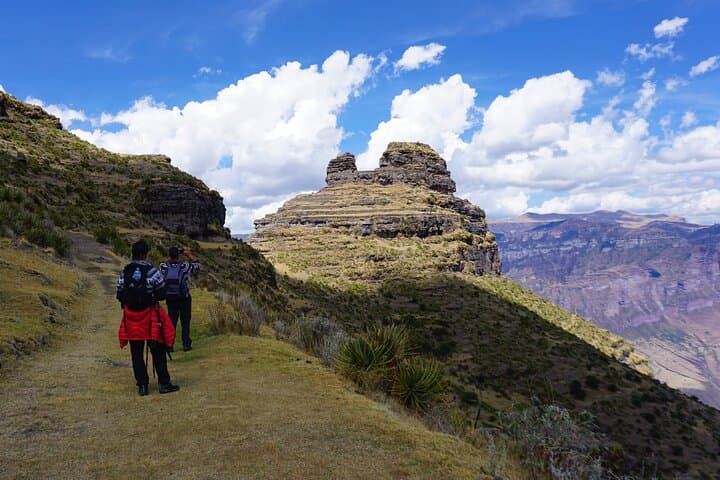
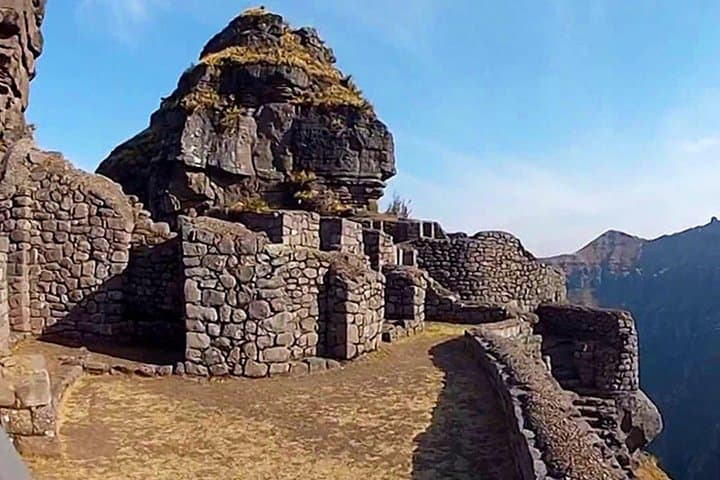
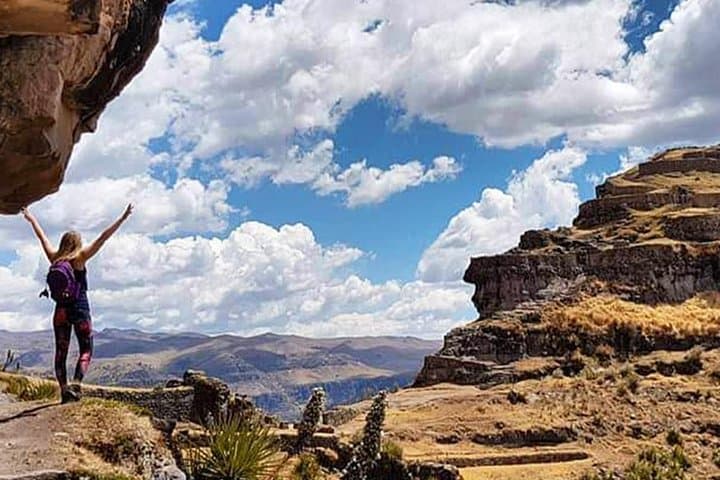
Waqrapukara sits on a knife-edge plateau at about four thousand one hundred twenty-two meters, an Inca ceremonial complex carved into steep volcanic sandstone and limestone. The site's name, "horned fortress," comes from rock formations that frame plazas and terraces; the river-cut Apurimac valley plunges away, a geologic scar shaped by glacial and fluvial forces. Local Quechua communities herd alpaca and maintain seasonal fields on the lower slopes; guides often weave stories of ancestral rites and mountain offerings into their tours.
Expect two days of high-altitude hiking: an initial three-hour ascent to camp, a night under two-person tents, then morning exploration of stone platforms before descending to Huayqui for a return transfer. Trails are steep, rocky and exposed to sun and wind; footing becomes loose where scree meets carved steps.
Practical notes: acclimatize in Cusco for at least forty-eight hours, carry three liters of water, and layer for wide temperature swings between day and night. Use trekking poles on descents and bring a compact sleeping bag rated to minus five degrees Celsius. Respect local customs - ask before photographing people - and follow Leave No Trace: human waste management and campsite fires are regulated. With steady pace and proper gear, this two-day trek delivers archaeological intrigue, alpine panoramas and a truly tangible sense of traveling off the usual routes.
challenging.
2 days (approx. 8–10 hours hiking).
Good aerobic fitness; comfortable hiking 4+ hours at altitude and carrying a daypack.
The main approach includes a steady three-hour climb from Rinconada with steep pitches and loose footing; moderate to strong fitness is recommended.
Yes—one night of camping is included with two-person tents; bring your own sleeping bag and personal items.
This tour includes a professional bilingual guide; access to the site is managed locally, and the operator handles necessary permits or fees.
Allow 48 hours in Cusco to acclimatize, avoid alcohol before the trek, hydrate, and consider speaking to a doctor about altitude medication if you have prior issues.
Waqrapukara was used by pre-Inca and Inca peoples as a high ceremonial and defensive site; its terraces and carved platforms align with local mountain features.
Trails cross fragile puna ecosystems—minimize impact by camping only in established areas, packing out waste, and following local guidelines to protect water sources.
CrossoverPeru Tours operates guided outdoor trips and adventures with an emphasis on safety, stewardship, and memorable experiences.
Dawn breaks over a serrated ridge as your minivan leaves Cusco and the air thins toward Campi. By the time you start walking from Rinconada, four thousand forty-five meters, the world has been reduced to footfalls.
Dawn breaks over a serrated ridge as your minivan leaves Cusco and the air thins toward Campi. By the time you start walking from Rinconada, four thousand forty-five meters, the world has been reduced to footfalls.
Waqrapukara sits on a knife-edge plateau at about four thousand one hundred twenty-two meters, an Inca ceremonial complex carved into steep volcanic sandstone and limestone. The site's name, "horned fortress," comes from rock formations that frame plazas and terraces; the river-cut Apurimac valley plunges away, a geologic scar shaped by glacial and fluvial forces. Local Quechua communities herd alpaca and maintain seasonal fields on the lower slopes; guides often weave stories of ancestral rites and mountain offerings into their tours.
Expect two days of high-altitude hiking: an initial three-hour ascent to camp, a night under two-person tents, then morning exploration of stone platforms before descending to Huayqui for a return transfer. Trails are steep, rocky and exposed to sun and wind; footing becomes loose where scree meets carved steps.
Practical notes: acclimatize in Cusco for at least forty-eight hours, carry three liters of water, and layer for wide temperature swings between day and night. Use trekking poles on descents and bring a compact sleeping bag rated to minus five degrees Celsius. Respect local customs - ask before photographing people - and follow Leave No Trace: human waste management and campsite fires are regulated. With steady pace and proper gear, this two-day trek delivers archaeological intrigue, alpine panoramas and a truly tangible sense of traveling off the usual routes.