THE ADVENTURE COLLECTIVE® · Independent discovery and booking for outdoor travel

A two-day trek from Cusco to the Waqra Pukara fortress that combines dramatic Apurímac canyon views, pre-Inca stonework, and high-Andean camping. Ideal for hikers who have acclimatized and want wildlife, photography, and remote ruins in one trip.
A two-day trek from Cusco to the Waqra Pukara fortress that combines dramatic Apurímac canyon views, pre-Inca stonework, and high-Andean camping. Ideal for hikers who have acclimatized and want wildlife, photography, and remote ruins in one trip.
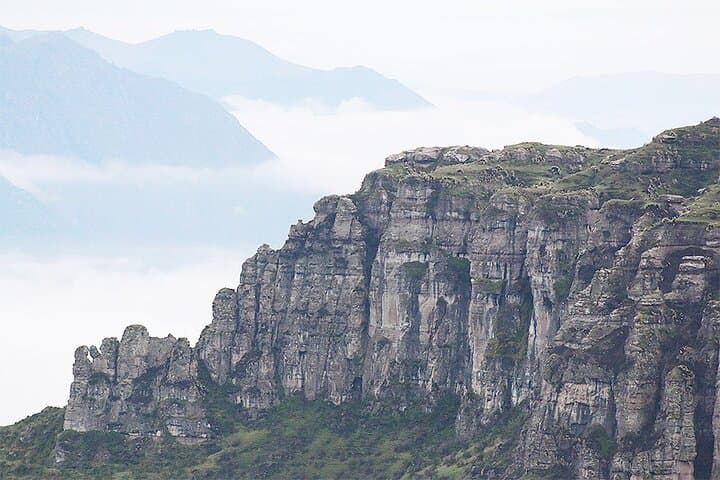
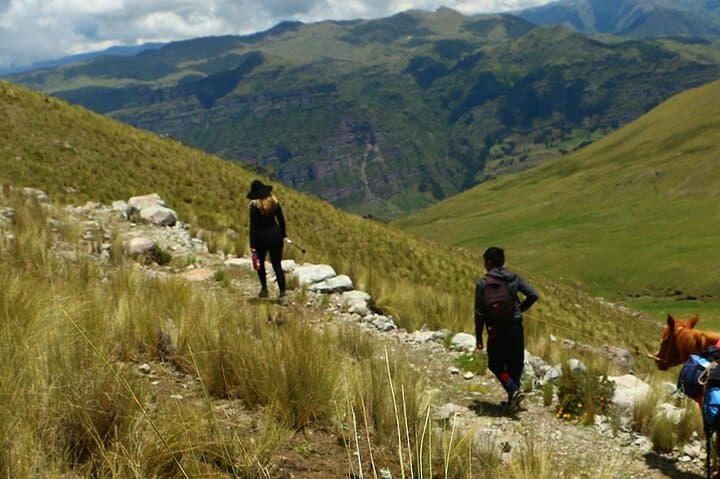
You leave Cusco before dawn and the road narrows as the highlands open up: tussock grass rolls like low waves, llamas silhouette on ridgelines, and limestone tors punctuate the skyline. The trail climbs away from villages and small lakes, rising to a broad shoulder that looks down into the Apurímac canyon, where the river dares the valley floor far below.
Verified experiences and guided adventures in the surrounding area.
Operated by Ayni Peru Expedition SAC · Acomayo, Cusco Region
You leave Cusco before dawn and the road narrows as the highlands open up: tussock grass rolls like low waves, llamas silhouette on ridgelines, and limestone tors punctuate the skyline. The trail climbs away from villages and small lakes, rising to a broad shoulder that looks down into the Apurímac canyon, where the river dares the valley floor far below.
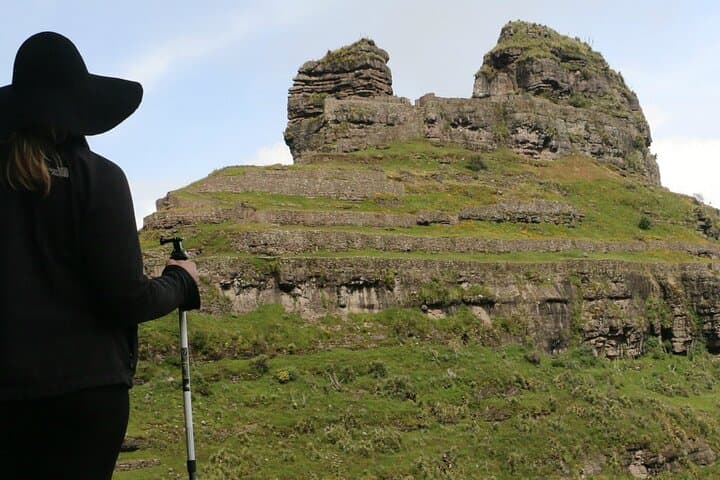
Waqra Pukara (Wakra Pukara) is an imposing pre-Inca/Inca complex built on a rocky tower overlooking one of Peru’s deepest canyons. The ruins and surrounding caves speak to millennia of mountain life—stone stairways, terraces, and carved niches that echo Andean architectural logic. Geologically, the route crosses uplifted sedimentary layers and weathered volcanic deposits; expect rocky steps, scree slopes, and grassy puna. Culturally, the region remains tied to Quechua-speaking communities whose grazing patterns shape the landscape.
Practically, this is a two-day, moderate trek with an overnight campsite at the base of the fortress. Expect 6–8 hours of hiking on day one with steep sections and panoramic viewpoints; day two is shorter, finishing with a descent to a local village. Altitude hovers above 3,700 m, so acclimatization in Cusco for 48 hours helps. Bring layered insulation, sturdy boots, sun protection, and a water system—mountain weather shifts quickly and evenings get cold.
Photography and wildlife spotting (vicuña, vizcacha, occasional condor) are highlights; respect local grazing areas and pack out waste. The reward is a raw, high-Andean campsite beneath stars and a close look at architecture that holds the ridge together—plain, powerful, and open to the wind.
moderate.
2 days.
Good aerobic fitness for sustained uphill sections at high altitude; comfortable walking 6–8 hours a day.
It’s moderate but the elevation (around 3,700+m) makes it more demanding; allow 48 hours in Cusco to acclimatize and choose a slower pace if needed.
Comfort tent camping is standard with an on-site cook; there’s an option to upgrade to a more luxurious camping setup.
Yes—wary vicuñas and ground-dwelling vizcachas are common; condors are occasionally seen riding canyon thermals.
Children in good health and used to hiking can do it, but the altitude and two-day duration make it better for older teens and adults.
Waqra Pukara sits on pre-Inca foundations later used by the Incas as a lookout and ceremonial site; its position commands views into the Apurímac drainage.
This high-Andean puna is fragile—stick to durable surfaces, carry out trash, and minimize campfire impact to protect scarce vegetation and water sources.
Ayni Peru Expedition SAC operates guided outdoor trips and adventures with an emphasis on safety, stewardship, and memorable experiences.
You leave Cusco before dawn and the road narrows as the highlands open up: tussock grass rolls like low waves, llamas silhouette on ridgelines, and limestone tors punctuate the skyline. The trail climbs away from villages and small lakes, rising to a broad shoulder that looks down into the Apurímac canyon, where the river dares the valley floor far below.
You leave Cusco before dawn and the road narrows as the highlands open up: tussock grass rolls like low waves, llamas silhouette on ridgelines, and limestone tors punctuate the skyline. The trail climbs away from villages and small lakes, rising to a broad shoulder that looks down into the Apurímac canyon, where the river dares the valley floor far below.
Waqra Pukara (Wakra Pukara) is an imposing pre-Inca/Inca complex built on a rocky tower overlooking one of Peru’s deepest canyons. The ruins and surrounding caves speak to millennia of mountain life—stone stairways, terraces, and carved niches that echo Andean architectural logic. Geologically, the route crosses uplifted sedimentary layers and weathered volcanic deposits; expect rocky steps, scree slopes, and grassy puna. Culturally, the region remains tied to Quechua-speaking communities whose grazing patterns shape the landscape.
Practically, this is a two-day, moderate trek with an overnight campsite at the base of the fortress. Expect 6–8 hours of hiking on day one with steep sections and panoramic viewpoints; day two is shorter, finishing with a descent to a local village. Altitude hovers above 3,700 m, so acclimatization in Cusco for 48 hours helps. Bring layered insulation, sturdy boots, sun protection, and a water system—mountain weather shifts quickly and evenings get cold.
Photography and wildlife spotting (vicuña, vizcacha, occasional condor) are highlights; respect local grazing areas and pack out waste. The reward is a raw, high-Andean campsite beneath stars and a close look at architecture that holds the ridge together—plain, powerful, and open to the wind.