THE ADVENTURE COLLECTIVE® · Independent discovery and booking for outdoor travel

Spend 45–60 minutes with a practicing Salem witch in a candid Q&A that covers belief, folklore, and daily life. This intimate masterclass combines modern spirituality with local history—bring questions and leave with a clearer view of contemporary witchcraft in Witch City.
Spend 45–60 minutes with a practicing Salem witch in a candid Q&A that covers belief, folklore, and daily life. This intimate masterclass combines modern spirituality with local history—bring questions and leave with a clearer view of contemporary witchcraft in Witch City.
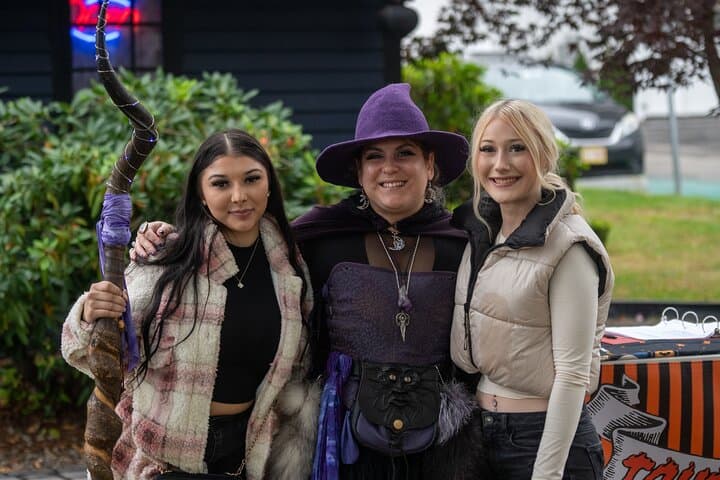
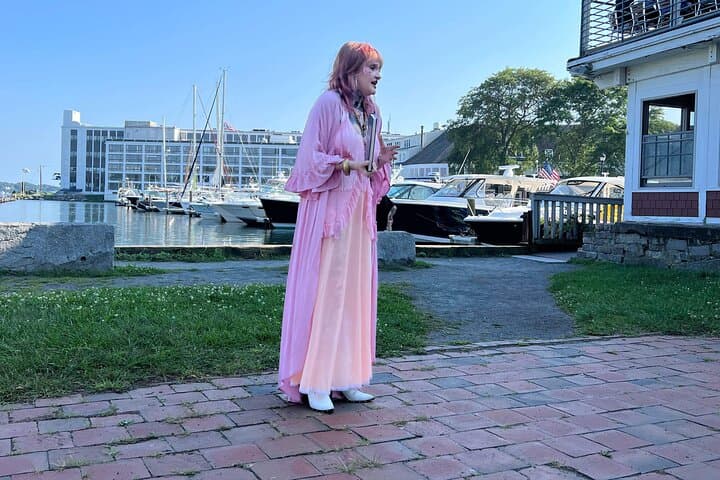
The blue-and-black Pequot House sits at the edge of Shetland Park, a compact stage where gulls wheel over the river and foot traffic hums over the nearby bridge. Here a guide who lives the craft waits to answer the blunt, curious, and occasionally skeptical questions visitors bring: Why black? Why brooms? Does it actually work?
Verified experiences and guided adventures in the surrounding area.
Operated by Tours for Touring Tourists · Salem, Massachusetts
The blue-and-black Pequot House sits at the edge of Shetland Park, a compact stage where gulls wheel over the river and foot traffic hums over the nearby bridge. Here a guide who lives the craft waits to answer the blunt, curious, and occasionally skeptical questions visitors bring: Why black? Why brooms? Does it actually work?
The experience is part intimate interview, part living-history demonstration. Salem’s infamous 1692 trials are unavoidable context—the city’s colonial courts and graveled streets still shape local conversation—but modern witchcraft in Salem is a living cultural practice, more spiritual and quotidian than theatrical. Geologically, the coastline around Salem is a mix of glacially scoured ledges and reclaimed millland, so the tour’s setting alternates between small public greens and historic mill exteriors.
Expect candid personal storytelling about belief, ritual, and identity rather than a scripted pageant. Conversations range from folklore and herbcraft to ethical questions about public perception. Guides tailor the session to the group, and the format suits the curious, respectful questioner.
Practicalities: the session lasts 45–60 minutes and can run indoors or outdoors depending on weather and guest preference. Arrive 10–15 minutes early at Stardust Salem; there’s ample parking. The tour is wheelchair and stroller accessible and suitable for all fitness levels. Bring a notebook if you want specifics, dress in layers for coastal breezes, and prepare questions—this is a Q&A, not a lecture. Photography is allowed but be courteous during personal disclosures. For visitors interested in local context, pair the session with a walk to the Salem Maritime National Historic Site or the Old Burying Point for broader historical perspective.
easy.
45–60 minutes.
Suitable for all fitness levels; mostly standing or seated conversation for up to an hour.
Yes—this experience is wheelchair and stroller accessible with level entry at Stardust Salem.
Infants and small children are welcome; pets are not recommended unless they are service animals.
It can be held indoors or outdoors depending on weather and guest preference; the guide will confirm on arrival.
All sales are final; no refunds are available for cancellations and tours may cancel for bad weather.
Salem’s global reputation stems from the 1692 witch trials; today a visible community of practitioners blends spiritual practices with local history and tourism.
Support small local businesses and avoid trampling fragile shoreline vegetation; historic sites benefit from respectful visitation and minimal waste.
Tours for Touring Tourists operates guided outdoor trips and adventures with an emphasis on safety, stewardship, and memorable experiences.
The blue-and-black Pequot House sits at the edge of Shetland Park, a compact stage where gulls wheel over the river and foot traffic hums over the nearby bridge. Here a guide who lives the craft waits to answer the blunt, curious, and occasionally skeptical questions visitors bring: Why black? Why brooms? Does it actually work?
The blue-and-black Pequot House sits at the edge of Shetland Park, a compact stage where gulls wheel over the river and foot traffic hums over the nearby bridge. Here a guide who lives the craft waits to answer the blunt, curious, and occasionally skeptical questions visitors bring: Why black? Why brooms? Does it actually work?
The experience is part intimate interview, part living-history demonstration. Salem’s infamous 1692 trials are unavoidable context—the city’s colonial courts and graveled streets still shape local conversation—but modern witchcraft in Salem is a living cultural practice, more spiritual and quotidian than theatrical. Geologically, the coastline around Salem is a mix of glacially scoured ledges and reclaimed millland, so the tour’s setting alternates between small public greens and historic mill exteriors.
Expect candid personal storytelling about belief, ritual, and identity rather than a scripted pageant. Conversations range from folklore and herbcraft to ethical questions about public perception. Guides tailor the session to the group, and the format suits the curious, respectful questioner.
Practicalities: the session lasts 45–60 minutes and can run indoors or outdoors depending on weather and guest preference. Arrive 10–15 minutes early at Stardust Salem; there’s ample parking. The tour is wheelchair and stroller accessible and suitable for all fitness levels. Bring a notebook if you want specifics, dress in layers for coastal breezes, and prepare questions—this is a Q&A, not a lecture. Photography is allowed but be courteous during personal disclosures. For visitors interested in local context, pair the session with a walk to the Salem Maritime National Historic Site or the Old Burying Point for broader historical perspective.