THE ADVENTURE COLLECTIVE® · Independent discovery and booking for outdoor travel

Soar above Lake Wanaka on a single, tandem or triple parasail flight—an accessible way to see the Southern Alps, islands and shoreline from a calm aerial vantage. Expect a brief boat transfer, a safety briefing, and weather-dependent launch windows.
Soar above Lake Wanaka on a single, tandem or triple parasail flight—an accessible way to see the Southern Alps, islands and shoreline from a calm aerial vantage. Expect a brief boat transfer, a safety briefing, and weather-dependent launch windows.
From the boat's stern the lake stretches cold and bright, a sheet of alpine glass that dares you to rise above it. A harness clicks; the towline hums; within minutes Wanaka Parasailing lifts single, tandem or triple riders into a wide sky where the Southern Alps form a distant, cragged horizon and the town of Wanaka shrinks to a scatter of roofs.
Verified experiences and guided adventures in the surrounding area.
Operated by Wanaka Parasailing · Wanaka, Otago
From the boat's stern the lake stretches cold and bright, a sheet of alpine glass that dares you to rise above it. A harness clicks; the towline hums; within minutes Wanaka Parasailing lifts single, tandem or triple riders into a wide sky where the Southern Alps form a distant, cragged horizon and the town of Wanaka shrinks to a scatter of roofs.
Lake Wanaka sits in a glacial basin carved during the last ice age, its clear water fed by mountain streams and fed back by trout fishermen. Ngāi Tahu have long-standing connections to the Otago lakes, and European goldfields and pastoral farms later shaped the surrounding landscape; today tourism and conservation govern how people use the shorelines and islands.
From altitude the lake’s color gradients and river inlets become legible: shallow bays rimmed with willows, a scattering of small islands including Mou Waho with its predator-free sanctuary. Parasailing is primarily visual—wide, fast-changing perspectives of geology, farm patches and vineyards—yet practicalities matter: operators brief on harness fit, life jackets and weather windows.
Plan for a 45–60 minute experience including safety briefing and boat transfer. Wind and rain will cancel flights; operators typically offer a full refund for weather cancellations if you cancel within the stated policy window. Wear layered clothing, secure loose items, and expect bursts of wind on ascent and a calm, quiet glide at the apex. For travelers who want a quick, low-effort aerial view of Wanaka without piloting a craft, parasailing is an efficient, memorable option—just bring a camera in a waterproof case and a readiness to trust the crew.
easy.
45–60 minutes.
Minimal fitness required; participants must be able to board a small boat and follow basic safety instructions.
Yes—licensed operators use marine launches, certified harnesses and life jackets; crews brief passengers and monitor wind and water conditions closely.
Flights are canceled in high winds or heavy rain; operators typically offer full refunds or rebook options and will notify customers of cancellations per their policy.
Operators require weight information for safe harnessing and may set individual or combined weight limits; age minimums vary—check the operator’s booking requirements before arrival.
Yes—bring a secured camera or phone in a waterproof case; loose items are a hazard and may not be recoverable if dropped.
The Wanaka basin was shaped by Pleistocene glaciers; Ngāi Tahu used the lakes seasonally and European gold and farming eras later influenced settlement patterns.
Lake health is protected through regional rules and biosecurity checks—visitors should avoid transferring plant material or foreign organisms and follow local waste rules.
Wanaka Parasailing operates guided outdoor trips and adventures with an emphasis on safety, stewardship, and memorable experiences.
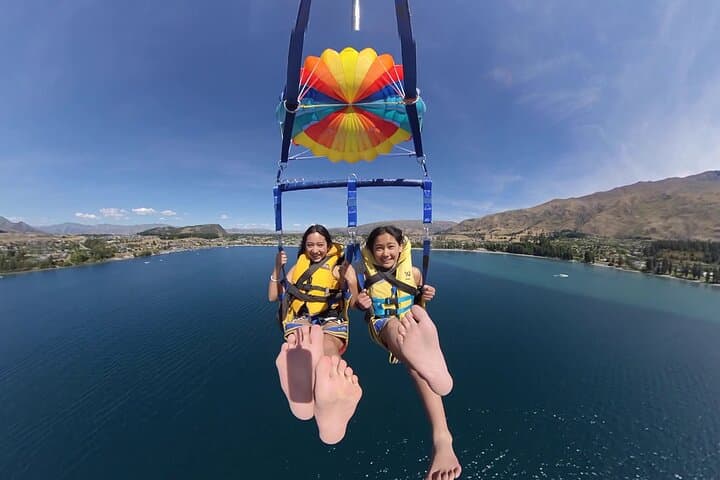
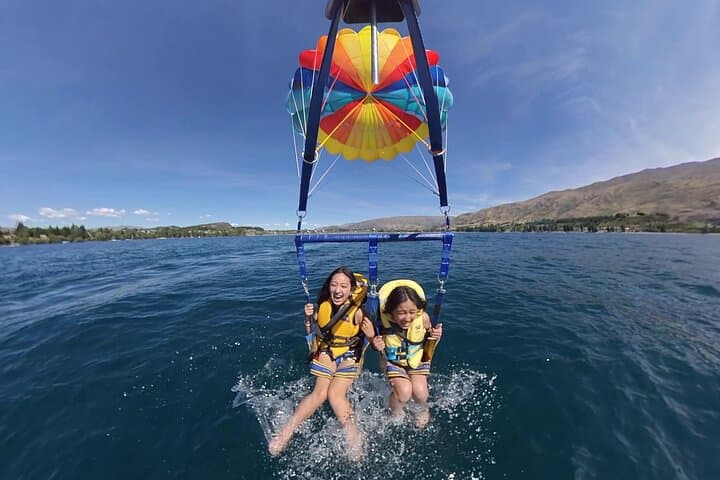
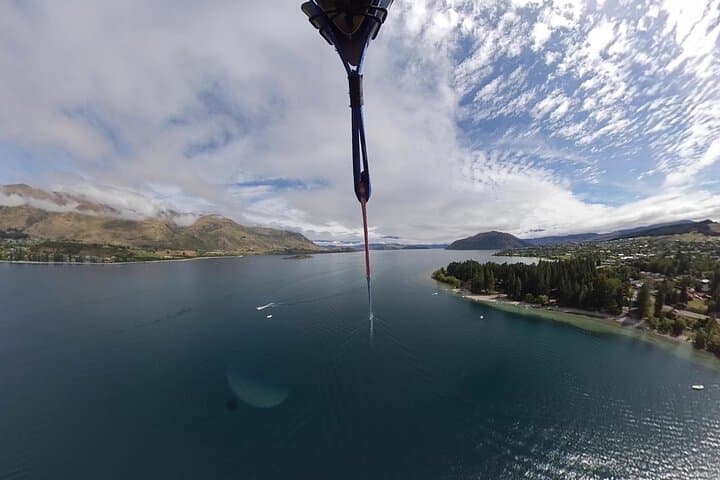
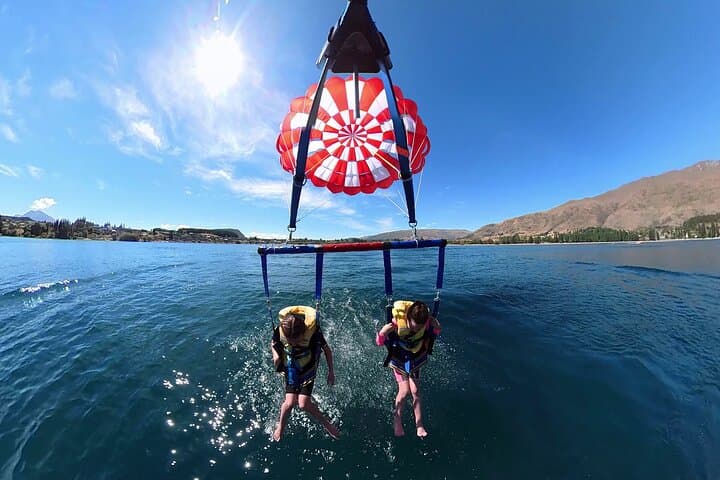
From the boat's stern the lake stretches cold and bright, a sheet of alpine glass that dares you to rise above it. A harness clicks; the towline hums; within minutes Wanaka Parasailing lifts single, tandem or triple riders into a wide sky where the Southern Alps form a distant, cragged horizon and the town of Wanaka shrinks to a scatter of roofs.
From the boat's stern the lake stretches cold and bright, a sheet of alpine glass that dares you to rise above it. A harness clicks; the towline hums; within minutes Wanaka Parasailing lifts single, tandem or triple riders into a wide sky where the Southern Alps form a distant, cragged horizon and the town of Wanaka shrinks to a scatter of roofs.
Lake Wanaka sits in a glacial basin carved during the last ice age, its clear water fed by mountain streams and fed back by trout fishermen. Ngāi Tahu have long-standing connections to the Otago lakes, and European goldfields and pastoral farms later shaped the surrounding landscape; today tourism and conservation govern how people use the shorelines and islands.
From altitude the lake’s color gradients and river inlets become legible: shallow bays rimmed with willows, a scattering of small islands including Mou Waho with its predator-free sanctuary. Parasailing is primarily visual—wide, fast-changing perspectives of geology, farm patches and vineyards—yet practicalities matter: operators brief on harness fit, life jackets and weather windows.
Plan for a 45–60 minute experience including safety briefing and boat transfer. Wind and rain will cancel flights; operators typically offer a full refund for weather cancellations if you cancel within the stated policy window. Wear layered clothing, secure loose items, and expect bursts of wind on ascent and a calm, quiet glide at the apex. For travelers who want a quick, low-effort aerial view of Wanaka without piloting a craft, parasailing is an efficient, memorable option—just bring a camera in a waterproof case and a readiness to trust the crew.