THE ADVENTURE COLLECTIVE® · Independent discovery and booking for outdoor travel

Board at Walvis Bay Waterfront for a 3–4 hour marine cruise toward Pelican Point, where dolphins, pelicans and a loud seal colony are regulars. Expect fresh oysters, sparkling wine, light lunch and expert narration focused on local wildlife and coastal history.
Board at Walvis Bay Waterfront for a 3–4 hour marine cruise toward Pelican Point, where dolphins, pelicans and a loud seal colony are regulars. Expect fresh oysters, sparkling wine, light lunch and expert narration focused on local wildlife and coastal history.
Salt wind and the Atlantic swell set the tempo as you step onto the Walvis Bay Waterfront jetty and the boat slides free of the harbor. Seagulls and pelicans wheel overhead; the ocean pushes and pulls like a living corridor, daring you to look deeper. Over the next three to four hours the vessel threads the shallow bay toward Pelican Point, where a seaworn peninsula hosts a noisy seal colony and the lighthouse keeps a steady watch.
Verified experiences and guided adventures in the surrounding area.
Operated by Mola Mola Safaris · Walvis Bay, Erongo Region
Salt wind and the Atlantic swell set the tempo as you step onto the Walvis Bay Waterfront jetty and the boat slides free of the harbor. Seagulls and pelicans wheel overhead; the ocean pushes and pulls like a living corridor, daring you to look deeper. Over the next three to four hours the vessel threads the shallow bay toward Pelican Point, where a seaworn peninsula hosts a noisy seal colony and the lighthouse keeps a steady watch.
This stretch of coastline sits on the edge of the Namib Desert and the greater Skeleton Coast, an area shaped by powerful currents and shipwreck-prone sands. Walvis Bay’s lagoon has long been a stop for migratory birds and a base for local fishers; modern cruises here blend that maritime history with wildlife viewing. Geology is visible in the low dunes and rocky shoals that rise from the sea—habitat for kelp, crustaceans and schooling fish that attract dolphins and, in season, migrating whales.
Practical details: cruises run about 180–240 minutes, typically boarding mid-morning. Expect frequent wildlife sightings—bottlenose dolphins, Cape fur seals and abundant seabirds—but no guaranteed landings at Pelican Point; viewing is usually from the vessel. Bring layered, windproof clothing, sun protection and a small camera with a telephoto lens or binoculars. If you’re prone to seasickness, take preventive medication. The operator provides snacks, a light lunch, fresh oysters and sparkling wine; vessels are wheelchair-accessible but check transfer needs ahead of time. Arrive early to explore the Waterfront, listen to the guide for conservation rules, and give seabirds and seals respectful space so future visits remain possible.
easy.
3–4 hours.
Suitable for most fitness levels; requires short periods of standing and moving on an unsteady deck.
Dolphins and seals are frequent and likely sightings in Walvis Bay; whales are seasonal and possible but cannot be guaranteed.
Yes—light lunch, snacks, bottled water, fresh Namibian oysters and alcoholic beverages including sparkling wine are provided as noted.
Yes—vessels and transportation options are wheelchair accessible, but advise the operator of specific needs at booking for best arrangements.
Full refunds are available if you cancel at least 24 hours before departure; no refunds are given for no-shows.
Walvis Bay developed as Namibia’s natural deep-water harbor and a gateway for fishers and migratory birds; the area’s maritime history is visible in its old piers and lighthouse at Pelican Point.
Operators follow local wildlife guidelines—avoid feeding animals and maintain viewing distance; the lagoon and peninsula are sensitive habitats supporting migratory birds and marine mammals.
Mola Mola Safaris operates guided outdoor trips and adventures with an emphasis on safety, stewardship, and memorable experiences.
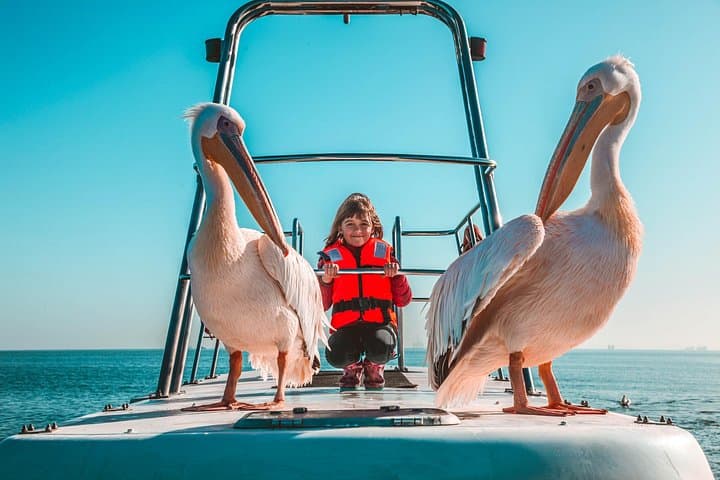
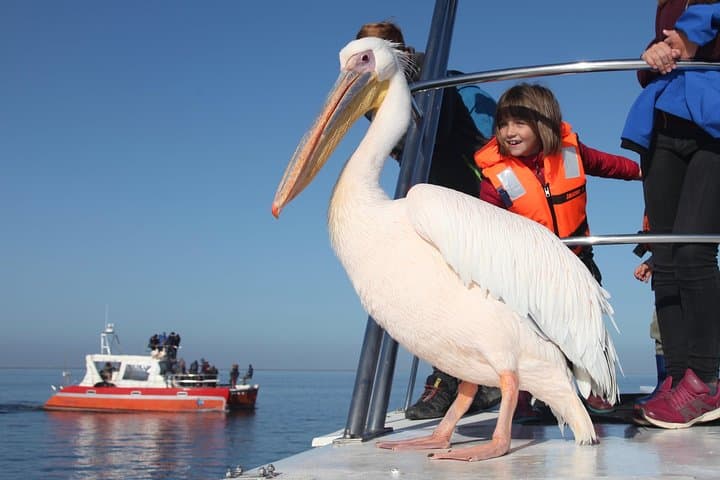
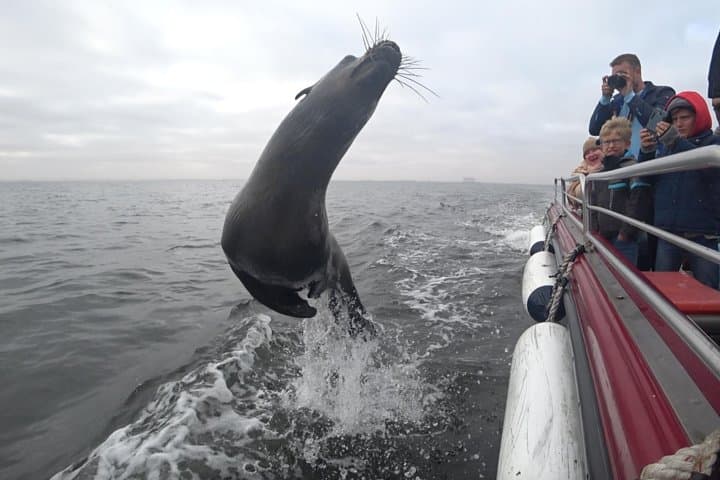
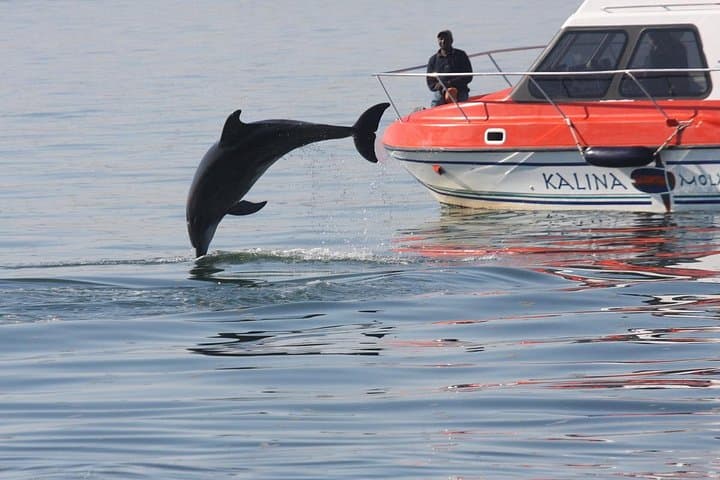
Salt wind and the Atlantic swell set the tempo as you step onto the Walvis Bay Waterfront jetty and the boat slides free of the harbor. Seagulls and pelicans wheel overhead; the ocean pushes and pulls like a living corridor, daring you to look deeper. Over the next three to four hours the vessel threads the shallow bay toward Pelican Point, where a seaworn peninsula hosts a noisy seal colony and the lighthouse keeps a steady watch.
Salt wind and the Atlantic swell set the tempo as you step onto the Walvis Bay Waterfront jetty and the boat slides free of the harbor. Seagulls and pelicans wheel overhead; the ocean pushes and pulls like a living corridor, daring you to look deeper. Over the next three to four hours the vessel threads the shallow bay toward Pelican Point, where a seaworn peninsula hosts a noisy seal colony and the lighthouse keeps a steady watch.
This stretch of coastline sits on the edge of the Namib Desert and the greater Skeleton Coast, an area shaped by powerful currents and shipwreck-prone sands. Walvis Bay’s lagoon has long been a stop for migratory birds and a base for local fishers; modern cruises here blend that maritime history with wildlife viewing. Geology is visible in the low dunes and rocky shoals that rise from the sea—habitat for kelp, crustaceans and schooling fish that attract dolphins and, in season, migrating whales.
Practical details: cruises run about 180–240 minutes, typically boarding mid-morning. Expect frequent wildlife sightings—bottlenose dolphins, Cape fur seals and abundant seabirds—but no guaranteed landings at Pelican Point; viewing is usually from the vessel. Bring layered, windproof clothing, sun protection and a small camera with a telephoto lens or binoculars. If you’re prone to seasickness, take preventive medication. The operator provides snacks, a light lunch, fresh oysters and sparkling wine; vessels are wheelchair-accessible but check transfer needs ahead of time. Arrive early to explore the Waterfront, listen to the guide for conservation rules, and give seabirds and seals respectful space so future visits remain possible.