THE ADVENTURE COLLECTIVE® · Independent discovery and booking for outdoor travel

Explore Walvis Bay’s rich lagoon by boat, watch colonies of Cape fur seals and migratory flamingos, then climb Dune 7 for a sand-glide finish. This two-day coastal combo pairs wildlife viewing with desert adrenaline.
Explore Walvis Bay’s rich lagoon by boat, watch colonies of Cape fur seals and migratory flamingos, then climb Dune 7 for a sand-glide finish. This two-day coastal combo pairs wildlife viewing with desert adrenaline.
You arrive at the lip of the Atlantic where wind and salt shape everything; the Pelican Point spit cranes a low, slatted silhouette against a glassy lagoon while Cape fur seals bark like a crowded audience. From a small boat the sea pushes and steadies you as flocks—flamingos in pale pink, pelicans and terns—quarter the sky, and the shoreline reveals a weathered shipwreck half-sunken into clay and sand.
Verified experiences and guided adventures in the surrounding area.
Operated by Dune Shuttle and Tours, · Walvis Bay, Erongo
You arrive at the lip of the Atlantic where wind and salt shape everything; the Pelican Point spit cranes a low, slatted silhouette against a glassy lagoon while Cape fur seals bark like a crowded audience. From a small boat the sea pushes and steadies you as flocks—flamingos in pale pink, pelicans and terns—quarter the sky, and the shoreline reveals a weathered shipwreck half-sunken into clay and sand.
Walvis Bay’s lagoon has long been a lifeline: a Ramsar-like hotspot for migratory shorebirds and a critical feeding ground in southern Africa. Geologically, the Namib Desert that backs this stretch is one of the world’s oldest, and Dune 7—the country’s highest dune at roughly 383 meters—has been sculpted by persistent coastal winds into a steep, silent slope that dares climbers to test their lungs and balance.
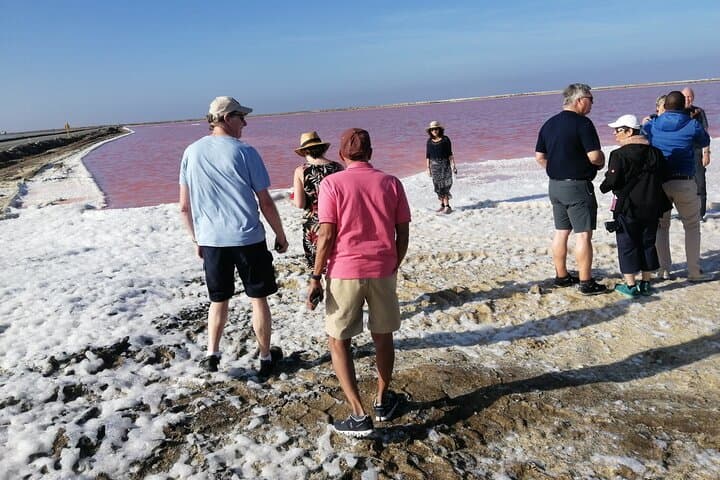
Local culture centers on the sea: fishing, salt processing and a small market economy around tourist services and crafts near the port. Expect a mix of guided boat viewing at Pelican Point, shoreline stops for photography, and a land transfer to Dune 7 to climb and slide down the crest.
Practical note: binoculars, layers and sun protection change the trip from pleasant to excellent. Tides and wind affect boat comfort and wildlife sightings, so plan morning departures for calmer seas and better bird activity. Wear shoes you can bury in sand, bring water, and keep distance from nesting birds and resting seals—wildlife here is best respected from a few meters away.
moderate.
2 days (approx. 8–10 hours per day).
Moderate fitness: you should be able to climb steep sand for short periods and handle boarding small boats.
Guides typically keep respectful distances—viewing is from the boat or marked shore areas to avoid disturbing colonies; telescopes and binoculars provide close views.
Dune 7 is steep but the climb is short; expect heavy breathing on the ascent and sand in your shoes—descending by sliding is easy and fun for most visitors.
Inclusions vary by operator; check the booking page for specific pickup, meals and entrance fees—this tour lists fees and taxes as included but confirm for extras like museum visits or souvenirs.
Children with supervision generally enjoy the boat and dune, but the activity is not recommended for pregnant travelers due to boat movement and the physical dune climb.
Walvis Bay’s lagoon has supported coastal communities and shipping for centuries; the shoreline shows shipwrecks and a history of salt and fishing industries.
The lagoon is one of southern Africa’s richest wetlands—respect bird roosts, avoid driving on dunes and follow guides’ instructions to minimize disturbance.
Dune Shuttle and Tours, operates guided outdoor trips and adventures with an emphasis on safety, stewardship, and memorable experiences.


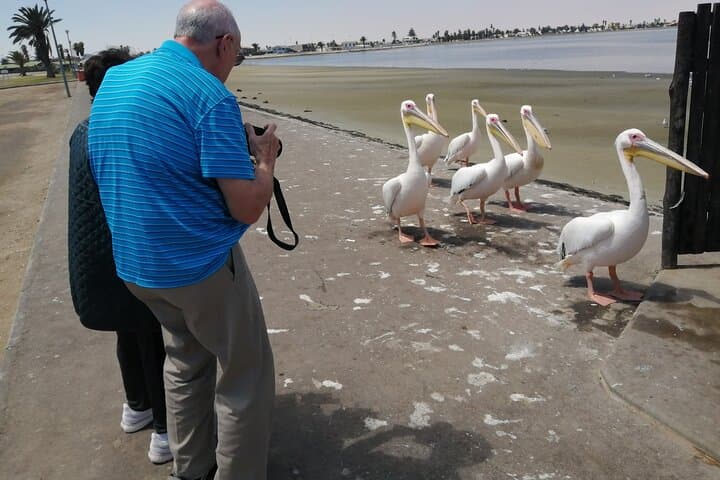
You arrive at the lip of the Atlantic where wind and salt shape everything; the Pelican Point spit cranes a low, slatted silhouette against a glassy lagoon while Cape fur seals bark like a crowded audience. From a small boat the sea pushes and steadies you as flocks—flamingos in pale pink, pelicans and terns—quarter the sky, and the shoreline reveals a weathered shipwreck half-sunken into clay and sand.
You arrive at the lip of the Atlantic where wind and salt shape everything; the Pelican Point spit cranes a low, slatted silhouette against a glassy lagoon while Cape fur seals bark like a crowded audience. From a small boat the sea pushes and steadies you as flocks—flamingos in pale pink, pelicans and terns—quarter the sky, and the shoreline reveals a weathered shipwreck half-sunken into clay and sand.
Walvis Bay’s lagoon has long been a lifeline: a Ramsar-like hotspot for migratory shorebirds and a critical feeding ground in southern Africa. Geologically, the Namib Desert that backs this stretch is one of the world’s oldest, and Dune 7—the country’s highest dune at roughly 383 meters—has been sculpted by persistent coastal winds into a steep, silent slope that dares climbers to test their lungs and balance.
Local culture centers on the sea: fishing, salt processing and a small market economy around tourist services and crafts near the port. Expect a mix of guided boat viewing at Pelican Point, shoreline stops for photography, and a land transfer to Dune 7 to climb and slide down the crest.
Practical note: binoculars, layers and sun protection change the trip from pleasant to excellent. Tides and wind affect boat comfort and wildlife sightings, so plan morning departures for calmer seas and better bird activity. Wear shoes you can bury in sand, bring water, and keep distance from nesting birds and resting seals—wildlife here is best respected from a few meters away.