THE ADVENTURE COLLECTIVE® · Independent discovery and booking for outdoor travel

Spend a day meeting wallabies, koalas and more before tasting Semillon and Shiraz among Hunter Valley vines. This one-day tour pairs up-close wildlife experiences with boutique winery tastings and a country lunch.
Spend a day meeting wallabies, koalas and more before tasting Semillon and Shiraz among Hunter Valley vines. This one-day tour pairs up-close wildlife experiences with boutique winery tastings and a country lunch.
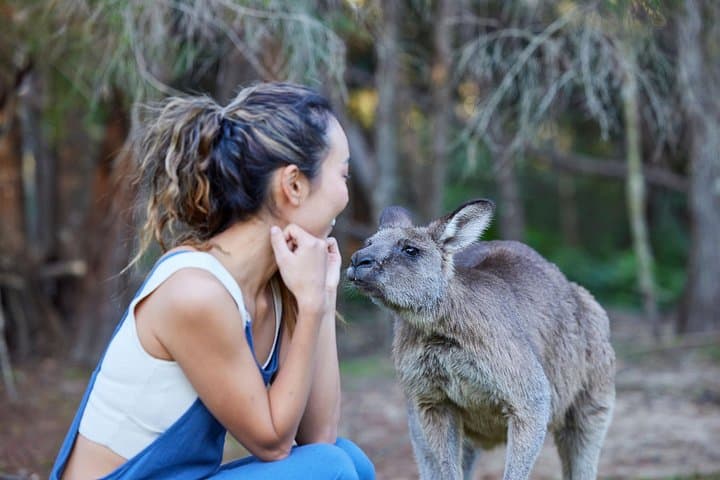
A dusty morning track opens onto a pocket of bush where wallabies lift their heads as your car pulls in — the air smells of eucalyptus and the faint sweetness of crushed grass. The first hours here are tactile: the soft weight of a wallaby’s paw, the slow blink of a koala tucked in a gum tree, emus tracing the scrub with long-legged curiosity.
Verified experiences and guided adventures in the surrounding area.
Operated by Jack · Pokolbin, New South Wales
A dusty morning track opens onto a pocket of bush where wallabies lift their heads as your car pulls in — the air smells of eucalyptus and the faint sweetness of crushed grass. The first hours here are tactile: the soft weight of a wallaby’s paw, the slow blink of a koala tucked in a gum tree, emus tracing the scrub with long-legged curiosity.
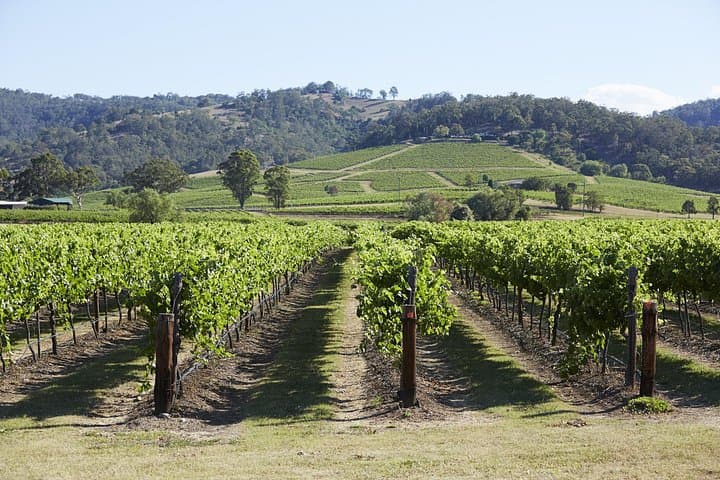
The Hunter Valley is Australia’s oldest wine region; vines have been cultivated here since the 1820s. Geologically it sits on the lower slopes and alluvial flats east of the Great Dividing Range, where weathered soils and pockets of clay give Semillon and Shiraz distinct clarity and texture. Aboriginal custodians have walked this land for thousands of years, and many sanctuaries and estates acknowledge that heritage through storytelling and land-care practices.
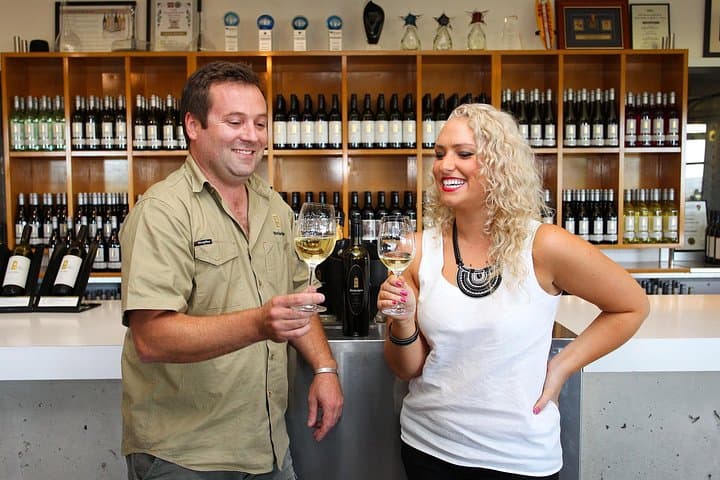
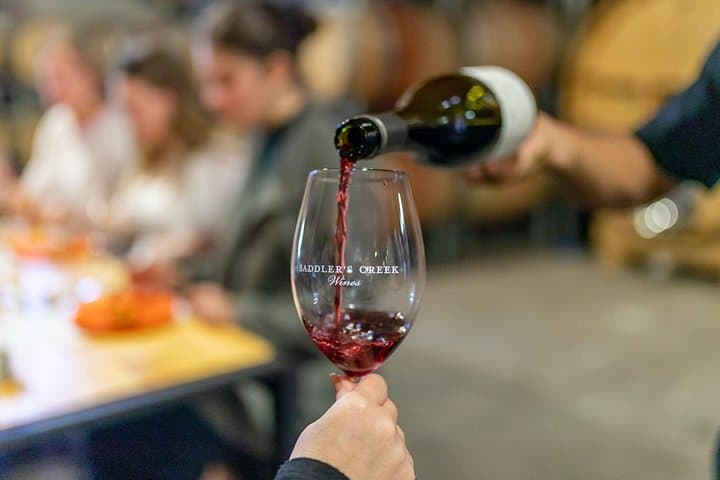
After the sanctuary, the tour moves into sunlit vineyards. Expect gentle walking between cellar doors — short gravel paths and low slopes rather than steep trekking — and a rhythm of tastings paired with local cheeses or handmade chocolates. Lunch typically arrives at a country hotel or vineyard terrace with broad valley views.
Practical edge: the day runs about nine hours door-to-door, so plan for sun protection, a government-issued ID for tastings, and comfortable shoes for uneven ground. Hydrate between pours — bottled water is usually provided. Photography is welcome at most stops, though animal interactions follow the rangers’ guidance for safety and animal welfare.
This is a low-effort, high-reward day: hands-on wildlife encounters and a concise wine education set against rolling, sunlit vines — a clear, tactile slice of Australia.
easy.
9 hours.
Suitable for most fitness levels; expect short, gentle walks and mostly seated tastings throughout the day
Tours usually provide bottled water, but bringing an extra bottle is wise if you prefer more between tastings.
Rangers supervise interactions and many sanctuaries allow supervised feeds for children; follow staff instructions and keep very young children close.
Most operators can handle common dietary needs if notified at booking; use the special requirements field to specify allergies or preferences.
Expect guided tastings at two to three boutique wineries with several small pours at each — pace varies but bulk drinking is discouraged and water is recommended between tastings.
European viticulture began in the Hunter Valley in the 1820s; the region developed as a major wine producer in the 20th century while Aboriginal connections to country remain significant.
Sanctuaries and many wineries participate in habitat restoration and responsible water use; visitors should follow animal-handling rules and avoid single-use plastics where possible.
Jack operates guided outdoor trips and adventures with an emphasis on safety, stewardship, and memorable experiences.
A dusty morning track opens onto a pocket of bush where wallabies lift their heads as your car pulls in — the air smells of eucalyptus and the faint sweetness of crushed grass. The first hours here are tactile: the soft weight of a wallaby’s paw, the slow blink of a koala tucked in a gum tree, emus tracing the scrub with long-legged curiosity.
A dusty morning track opens onto a pocket of bush where wallabies lift their heads as your car pulls in — the air smells of eucalyptus and the faint sweetness of crushed grass. The first hours here are tactile: the soft weight of a wallaby’s paw, the slow blink of a koala tucked in a gum tree, emus tracing the scrub with long-legged curiosity.
The Hunter Valley is Australia’s oldest wine region; vines have been cultivated here since the 1820s. Geologically it sits on the lower slopes and alluvial flats east of the Great Dividing Range, where weathered soils and pockets of clay give Semillon and Shiraz distinct clarity and texture. Aboriginal custodians have walked this land for thousands of years, and many sanctuaries and estates acknowledge that heritage through storytelling and land-care practices.
After the sanctuary, the tour moves into sunlit vineyards. Expect gentle walking between cellar doors — short gravel paths and low slopes rather than steep trekking — and a rhythm of tastings paired with local cheeses or handmade chocolates. Lunch typically arrives at a country hotel or vineyard terrace with broad valley views.
Practical edge: the day runs about nine hours door-to-door, so plan for sun protection, a government-issued ID for tastings, and comfortable shoes for uneven ground. Hydrate between pours — bottled water is usually provided. Photography is welcome at most stops, though animal interactions follow the rangers’ guidance for safety and animal welfare.
This is a low-effort, high-reward day: hands-on wildlife encounters and a concise wine education set against rolling, sunlit vines — a clear, tactile slice of Australia.