THE ADVENTURE COLLECTIVE® · Independent discovery and booking for outdoor travel

Walk from Bowling Green to the World Trade Center with a private guide who layers Dutch colonial history, 18th‑century architecture and modern finance into a focused 2¼‑hour tour. Pick a Classic route to visit the 9/11 Memorial Pools or a Hidden Gems route through South Street Seaport.
Walk from Bowling Green to the World Trade Center with a private guide who layers Dutch colonial history, 18th‑century architecture and modern finance into a focused 2¼‑hour tour. Pick a Classic route to visit the 9/11 Memorial Pools or a Hidden Gems route through South Street Seaport.
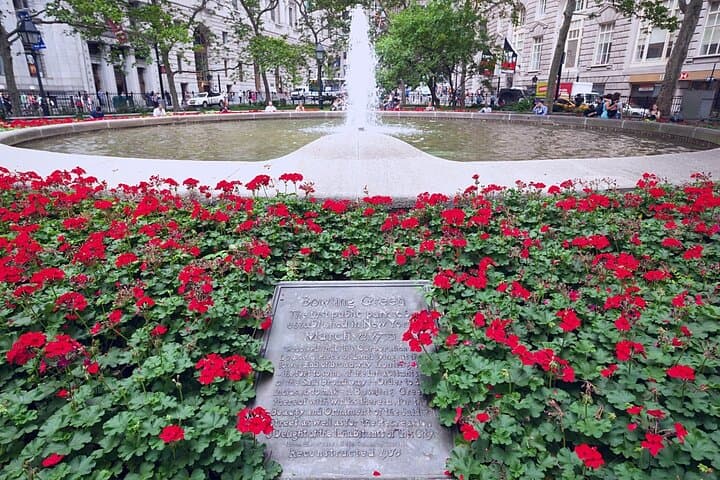
You step out onto Bowling Green and the city’s edges tighten: cobblestones, iron fences, and towers that still throw long shadows across the oldest public park in New York.
Verified experiences and guided adventures in the surrounding area.
Operated by New York Welcome · New York, New York
You step out onto Bowling Green and the city’s edges tighten: cobblestones, iron fences, and towers that still throw long shadows across the oldest public park in New York.
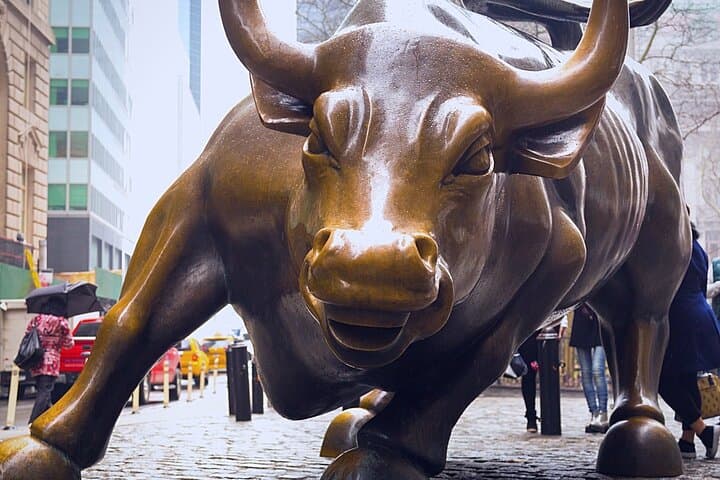
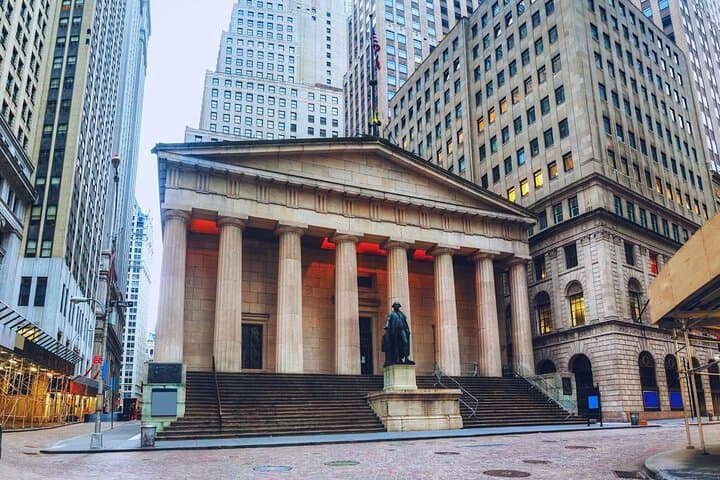
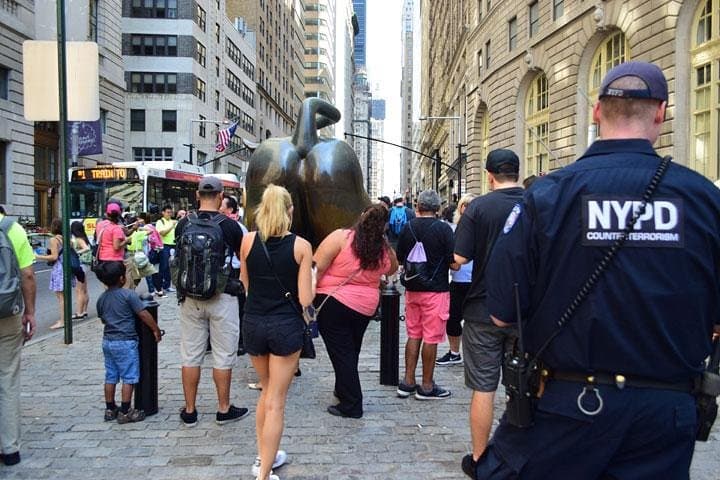
The guide threads through Stone Street’s 18th‑century brick facades, explains how New Amsterdam became New York, and points out the old Customs House before the group moves past the Charging Bull and Fearless Girl. The Financial District is a working landscape—streets, shipping piers and elevated views where the East River dares you to look beyond the glass.
This neighborhood is layered history. From Dutch colonial plots and the first paved street to the Schermerhorn row houses of the South Street Seaport, the architecture tells a civic story. Geology peeks out in reclaimed landfill edges along the waterfront; culture shows in taverns on Stone Street and the maritime grit of Pier 17.
Choose the Classic itinerary to finish at the 9/11 Memorial Pools (outdoor memorial access, not the museum) or the Hidden Gems route to discover back alleys, a restored elevated park, and seaport original houses.
Practical guidance: wear broken‑in walking shoes and carry a refillable bottle—the tour covers roughly 2¼ hours at a steady, accessible pace with frequent stops for photos and interpretation. Public transit is the easiest way to get here; subway stations are nearby but not all are step‑free. Expect outdoor conditions year‑round; guides can adapt the route for mobility needs when possible. Bring a light layer for windy waterfront stretches and allow extra time if you plan to explore the memorial or Pier 17 afterward.
easy.
2–2.5 hours.
Casual fitness; participants should be comfortable standing and walking at a medium pace for the full duration
The tour meets outside the old Custom House by the National Museum of the American Indian at Bowling Green; end points vary by itinerary—either the Oculus/World Trade Center or Fulton/Front Street in the South Street Seaport.
The Classic itinerary includes a guided outdoor visit to the 9/11 Memorial Pools (outdoor memorial access only); entry to the 9/11 Museum is not included and requires separate tickets.
The tour can be adjusted for wheelchair users, but NYC subway access is limited—contact the operator in advance to plan a fully accessible route.
Private local guides are available in English and Italian according to the listing; confirm language preference at booking.
This area started as New Amsterdam under Dutch rule; Stone Street is one of the city’s earliest paved roads and the seaport preserves early 1800s merchant buildings.
The 9/11 Memorial and South Street Seaport projects are managed with preservation in mind—stay on marked paths and avoid leaving litter to protect commemorative spaces and historic fabric.
New York Welcome operates guided outdoor trips and adventures with an emphasis on safety, stewardship, and memorable experiences.
You step out onto Bowling Green and the city’s edges tighten: cobblestones, iron fences, and towers that still throw long shadows across the oldest public park in New York.
You step out onto Bowling Green and the city’s edges tighten: cobblestones, iron fences, and towers that still throw long shadows across the oldest public park in New York.
The guide threads through Stone Street’s 18th‑century brick facades, explains how New Amsterdam became New York, and points out the old Customs House before the group moves past the Charging Bull and Fearless Girl. The Financial District is a working landscape—streets, shipping piers and elevated views where the East River dares you to look beyond the glass.
This neighborhood is layered history. From Dutch colonial plots and the first paved street to the Schermerhorn row houses of the South Street Seaport, the architecture tells a civic story. Geology peeks out in reclaimed landfill edges along the waterfront; culture shows in taverns on Stone Street and the maritime grit of Pier 17.
Choose the Classic itinerary to finish at the 9/11 Memorial Pools (outdoor memorial access, not the museum) or the Hidden Gems route to discover back alleys, a restored elevated park, and seaport original houses.
Practical guidance: wear broken‑in walking shoes and carry a refillable bottle—the tour covers roughly 2¼ hours at a steady, accessible pace with frequent stops for photos and interpretation. Public transit is the easiest way to get here; subway stations are nearby but not all are step‑free. Expect outdoor conditions year‑round; guides can adapt the route for mobility needs when possible. Bring a light layer for windy waterfront stretches and allow extra time if you plan to explore the memorial or Pier 17 afterward.