THE ADVENTURE COLLECTIVE® · Independent discovery and booking for outdoor travel

Walk Wall Street with a finance professional and turn the headlines of 2008 into on-the-ground stories. This two-hour guided tour links landmarks, policy, and personal accounts to explain how the crisis unfolded.
Walk Wall Street with a finance professional and turn the headlines of 2008 into on-the-ground stories. This two-hour guided tour links landmarks, policy, and personal accounts to explain how the crisis unfolded.
The morning air in Lower Manhattan has a cut to it; glass towers throw narrow shadows and the East River’s breeze slices through the canyons of stone and steel. Standing outside 22 Broad Street you’ll meet a guide who worked on the trading floors, and the block around you suddenly feels like the set of a living economic drama.
Verified experiences and guided adventures in the surrounding area.
Operated by ExperienceFirst · New York, NY
The morning air in Lower Manhattan has a cut to it; glass towers throw narrow shadows and the East River’s breeze slices through the canyons of stone and steel. Standing outside 22 Broad Street you’ll meet a guide who worked on the trading floors, and the block around you suddenly feels like the set of a living economic drama.
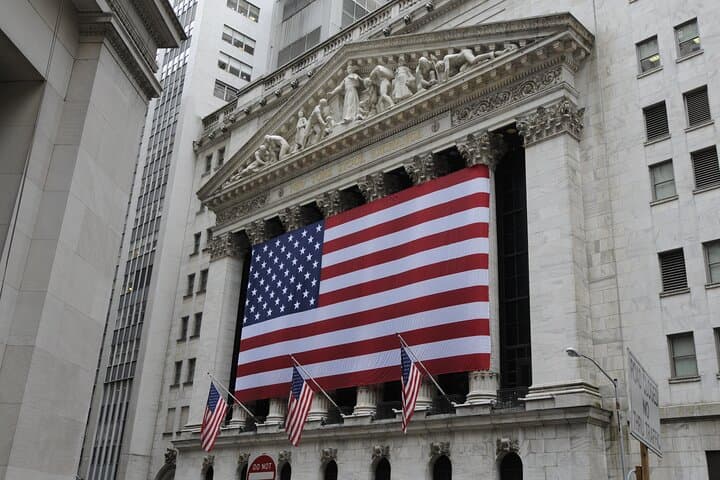
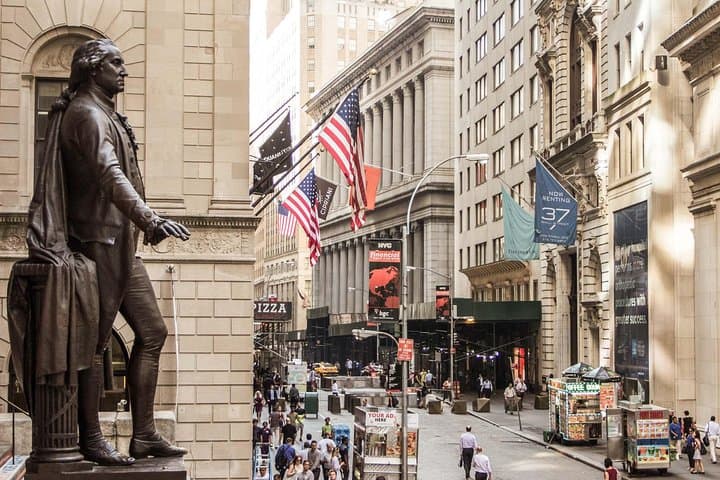
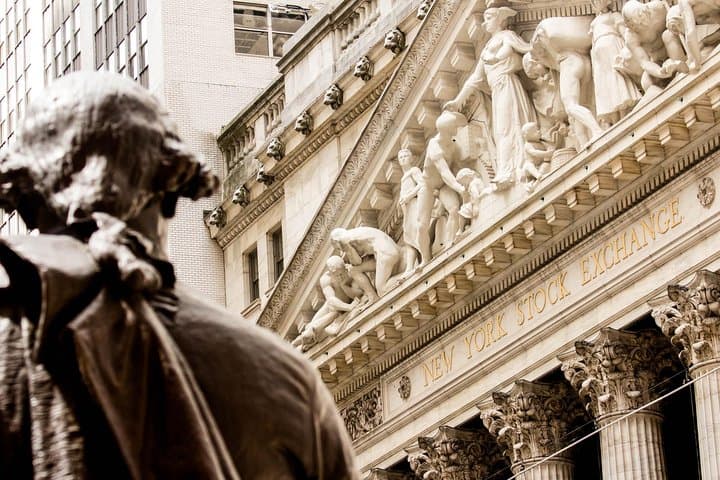
As you move from Federal Hall to the New York Stock Exchange and the House of Morgan, the guide threads together political decisions, trading strategies, and human stories that fed the 2008 collapse. The district’s streets tell their own history: eighteenth-century Federal Hall where George Washington took the oath, nineteenth-century brownstones housing early banks, and modern high-rises that replaced lost institutions.
Geology here is urban — reclaimed land and landfill shaping the shoreline — and culture is tallied in ledger books and public sculpture. Stone Street’s cobbles and narrow lanes hint at the port that built the city; the Charging Bull and nearby memorials show how myth and market collide.
Practical guidance: this is a two-hour, mostly-flat walking tour on city sidewalks with occasional indoor stops; dress for wind, wear supportive shoes, and bring a charged phone for photos and notes. Expect stops for 5–20 minutes at key sites, clear historical framing of mortgage securities and bank failures, and frank answers about who won and who paid.
If you want a focused, insider-driven perspective on 2008’s mechanics and consequences, this tour compresses complex finance into readable scenes and concrete places you can revisit on your own.
easy.
2 hours.
Suitable for most fitness levels; requires 1–2 miles of walking on paved, sometimes uneven surfaces
Yes; the route uses sidewalks and has limited indoor stops—notify the operator of accessibility needs when booking.
No; the NYSE has been closed to public tours since 2001. The guide discusses the site from outside and nearby locations.
Gratuities are appreciated but not required; 10–20% of a ticket’s value is typical for good service.
Full refunds are available if you cancel at least 24 hours before departure; check the booking confirmation for specifics.
Wall Street evolved from a 17th-century wooden palisade to America’s financial center; sites like Federal Hall mark early U.S. government milestones.
Historic buildings in the Financial District are actively preserved—stay on public pathways, respect private property, and avoid leaving litter to protect fragile facades.
ExperienceFirst operates guided outdoor trips and adventures with an emphasis on safety, stewardship, and memorable experiences.
The morning air in Lower Manhattan has a cut to it; glass towers throw narrow shadows and the East River’s breeze slices through the canyons of stone and steel. Standing outside 22 Broad Street you’ll meet a guide who worked on the trading floors, and the block around you suddenly feels like the set of a living economic drama.
The morning air in Lower Manhattan has a cut to it; glass towers throw narrow shadows and the East River’s breeze slices through the canyons of stone and steel. Standing outside 22 Broad Street you’ll meet a guide who worked on the trading floors, and the block around you suddenly feels like the set of a living economic drama.
As you move from Federal Hall to the New York Stock Exchange and the House of Morgan, the guide threads together political decisions, trading strategies, and human stories that fed the 2008 collapse. The district’s streets tell their own history: eighteenth-century Federal Hall where George Washington took the oath, nineteenth-century brownstones housing early banks, and modern high-rises that replaced lost institutions.
Geology here is urban — reclaimed land and landfill shaping the shoreline — and culture is tallied in ledger books and public sculpture. Stone Street’s cobbles and narrow lanes hint at the port that built the city; the Charging Bull and nearby memorials show how myth and market collide.
Practical guidance: this is a two-hour, mostly-flat walking tour on city sidewalks with occasional indoor stops; dress for wind, wear supportive shoes, and bring a charged phone for photos and notes. Expect stops for 5–20 minutes at key sites, clear historical framing of mortgage securities and bank failures, and frank answers about who won and who paid.
If you want a focused, insider-driven perspective on 2008’s mechanics and consequences, this tour compresses complex finance into readable scenes and concrete places you can revisit on your own.