THE ADVENTURE COLLECTIVE® · Independent discovery and booking for outdoor travel

Explore the streets where ordinary women ran businesses, kept households, and shaped public life. This guided walking tour traces 325 years of practical, often-overlooked contributions in Colonial Williamsburg.
Explore the streets where ordinary women ran businesses, kept households, and shaped public life. This guided walking tour traces 325 years of practical, often-overlooked contributions in Colonial Williamsburg.
The tour begins where the brick of Duke of Gloucester Street gives way to the blacktop in front of the Capitol — a place where the voices of everyday women once threaded through taverns, shops, and backdoor trades. You step into a city whose streets wear three centuries of use; shutters, shop signs, and doorways still mark the practical lives that kept a colonial town humming.
Verified experiences and guided adventures in the surrounding area.
Operated by Spooks and Legends Haunted Ghost Tours, LLC · Williamsburg, Virginia
The tour begins where the brick of Duke of Gloucester Street gives way to the blacktop in front of the Capitol — a place where the voices of everyday women once threaded through taverns, shops, and backdoor trades. You step into a city whose streets wear three centuries of use; shutters, shop signs, and doorways still mark the practical lives that kept a colonial town humming.
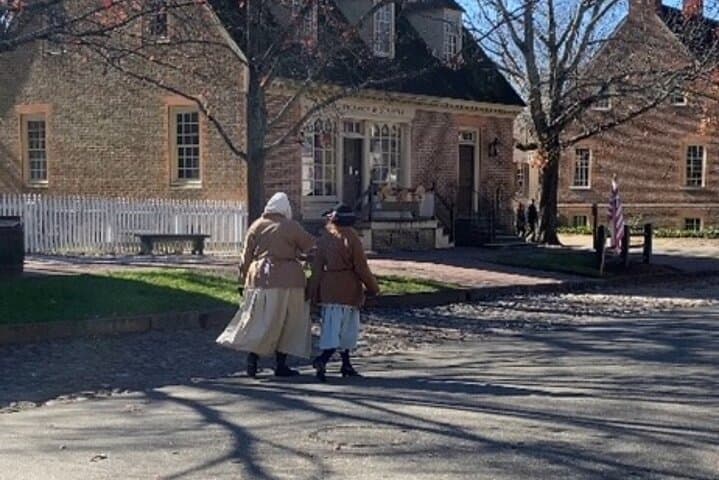
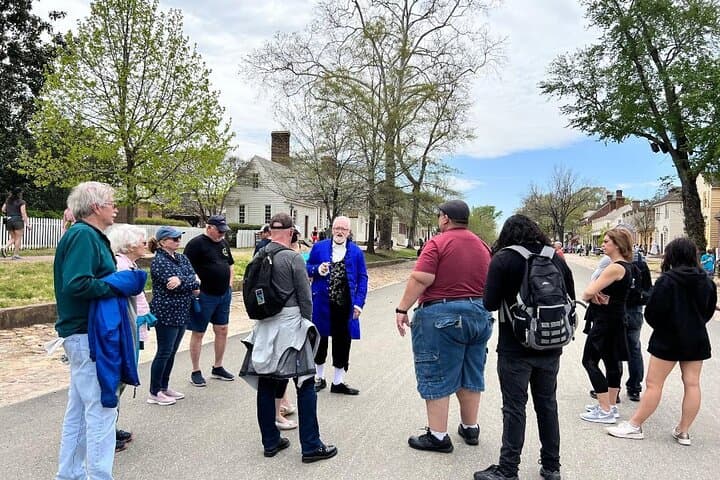
Buildings here are practical artifacts: timber frames, brick façades, and reused materials that tell of economic change and daily labor rather than grand rhetoric. Over more than 325 years, women in Williamsburg ran taverns, managed household workshops, and negotiated credit in ledgers you’ll hear described on the route. The guide links individual stories to broader cultural shifts — from artisan families to revolution-era provisioning and the evolving legal rights that affected property and commerce.
Expect a largely flat 1.5–2 hour stroll on paved streets with short cobbled sections and occasional steps. The narrative moves from public-facing businesses to quiet yards and alleys where daily life happened, offering both social history and material culture insights.
Practical guidance: meet at the Capitol blacktop after parking at the tavern lot on E. Francis St.; wear supportive walking shoes and bring water. Mornings are cooler and less crowded; mid-day fills with groups and interpretive staff. Cameras are welcome but be mindful of private staff areas and museum signage. This walk rewards curiosity — listen for details about ownership, household economies, and how women shaped Williamsburg’s civic life.
easy.
1.5–2 hours.
Suitable for most fitness levels; participants should be able to stand and walk steadily for up to two hours.
The meeting spot is in front of the Capitol building on the blacktop; instructions also note parking at the tavern lot at 460 E Francis St.
The operator lists the tour as wheelchair and stroller accessible, but some historic surfaces may be uneven—contact the provider if you have specific accessibility needs.
Yes—infants and small children can attend; the pace is gentle but parents should expect a full 1.5–2 hour walk.
Photography is generally allowed in public areas; please respect signage and staff guidance when near active museum buildings or interiors.
Many buildings on the route have been continuously occupied or repurposed for over 325 years, reflecting shifts in commerce, household labor, and community governance that included prominent roles for women.
Colonial Williamsburg emphasizes preservation: stay on paths, avoid touching historic fabric, and follow guide instructions to minimize wear on sensitive structures.
Spooks and Legends Haunted Ghost Tours, LLC operates guided outdoor trips and adventures with an emphasis on safety, stewardship, and memorable experiences.
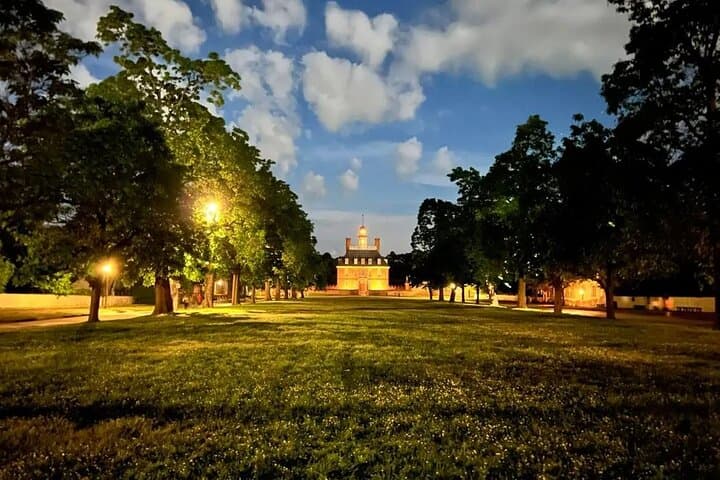
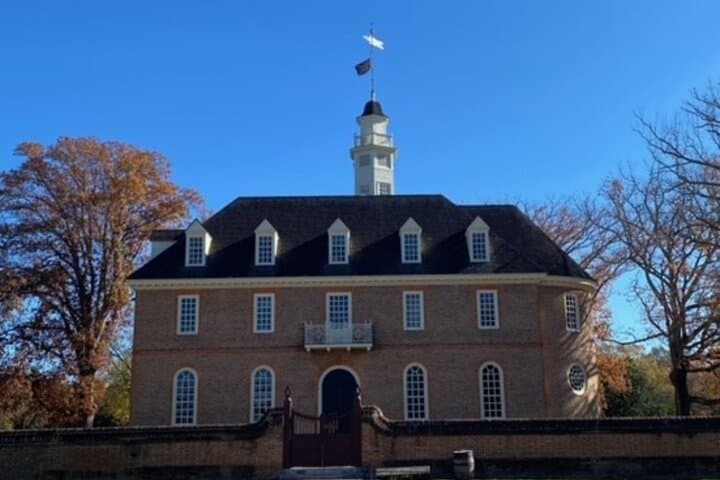
The tour begins where the brick of Duke of Gloucester Street gives way to the blacktop in front of the Capitol — a place where the voices of everyday women once threaded through taverns, shops, and backdoor trades. You step into a city whose streets wear three centuries of use; shutters, shop signs, and doorways still mark the practical lives that kept a colonial town humming.
The tour begins where the brick of Duke of Gloucester Street gives way to the blacktop in front of the Capitol — a place where the voices of everyday women once threaded through taverns, shops, and backdoor trades. You step into a city whose streets wear three centuries of use; shutters, shop signs, and doorways still mark the practical lives that kept a colonial town humming.
Buildings here are practical artifacts: timber frames, brick façades, and reused materials that tell of economic change and daily labor rather than grand rhetoric. Over more than 325 years, women in Williamsburg ran taverns, managed household workshops, and negotiated credit in ledgers you’ll hear described on the route. The guide links individual stories to broader cultural shifts — from artisan families to revolution-era provisioning and the evolving legal rights that affected property and commerce.
Expect a largely flat 1.5–2 hour stroll on paved streets with short cobbled sections and occasional steps. The narrative moves from public-facing businesses to quiet yards and alleys where daily life happened, offering both social history and material culture insights.
Practical guidance: meet at the Capitol blacktop after parking at the tavern lot on E. Francis St.; wear supportive walking shoes and bring water. Mornings are cooler and less crowded; mid-day fills with groups and interpretive staff. Cameras are welcome but be mindful of private staff areas and museum signage. This walk rewards curiosity — listen for details about ownership, household economies, and how women shaped Williamsburg’s civic life.