THE ADVENTURE COLLECTIVE® · Independent discovery and booking for outdoor travel

Walk the streets of Whitechapel with an expert guide and learn the social history behind London’s most infamous unsolved murders. This two-hour tour focuses on the five women and the East End that shaped their stories—expect sober, informative storytelling and easy urban walking.
Walk the streets of Whitechapel with an expert guide and learn the social history behind London’s most infamous unsolved murders. This two-hour tour focuses on the five women and the East End that shaped their stories—expect sober, informative storytelling and easy urban walking.
You step off the Tube into damp, narrow streets where gas-light shadows still feel possible; the air carries the tang of fried food from Brick Lane while brick terraces and late-Victorian tenements tower close enough to brush your shoulder. This two-hour guided walk threads through Whitechapel and Spitalfields, following the footprints left in 1888 and tracing the lives that were eclipsed by headlines.
Verified experiences and guided adventures in the surrounding area.
Operated by See Your City · London, England
You step off the Tube into damp, narrow streets where gas-light shadows still feel possible; the air carries the tang of fried food from Brick Lane while brick terraces and late-Victorian tenements tower close enough to brush your shoulder. This two-hour guided walk threads through Whitechapel and Spitalfields, following the footprints left in 1888 and tracing the lives that were eclipsed by headlines.
The tour strips myth from fact: Victorian London’s East End was built on marshy ground reclaimed over centuries, a dense maze of courts and alleys where poverty, overcrowding and rapid industrial growth fed both crime and rumor. Guides weave social history with forensic context—policing in the 19th century, immigration waves from Ireland and the Jewish diaspora, and how urban redevelopment changed the streets you now walk.
Culturally, the route intersects markets, curry houses on Brick Lane and public houses like the Ten Bells—places with layers of community memory. Geology plays a quiet role: you’re walking on landfill and old riverbeds where the River Thames once spread wide; building lines and foundations tell that story if you look down.
Practical guidance: wear stiff-soled walking shoes for cobbles, bring rain protection and a charged phone for maps. The pace is steady but accessible; expect up to 25 people in a group and surfaces are mostly level. Public transport access is excellent—arrive 10–15 minutes early at the meeting point. Keep an open mind: the tour focuses on the victims and context rather than sensationalism, so be prepared for sober historic detail.
easy.
2 hours.
Suitable for most fitness levels; requires standing and walking on flat and uneven urban surfaces for about 2 hours.
The content is historic and can be graphic; families should use discretion—recommended for older teens and adults.
The operator lists wheelchair access, but some narrow lanes or cobbles may be challenging; contact the provider to confirm specifics.
No—this tour emphasizes the victims’ lives, historical context and the policing of the era rather than lurid storytelling.
Tours generally run in light rain—bring a rain jacket or small umbrella; in severe weather the operator will advise of cancellations and refund policy.
The Whitechapel murders of 1888 occurred amid rapid urbanization and poverty; contemporaneous press coverage amplified fear and obscured many victims’ lives.
Respect the built heritage—avoid graffiti and litter, support local independent businesses and follow guidance to keep historic alleyways intact.
See Your City operates guided outdoor trips and adventures with an emphasis on safety, stewardship, and memorable experiences.
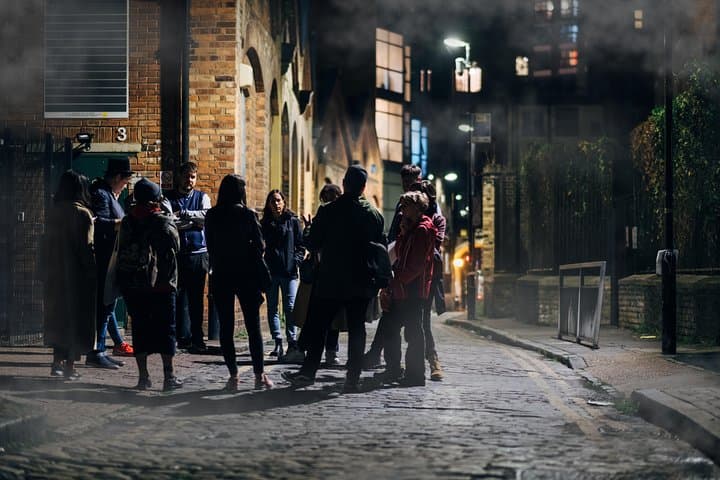
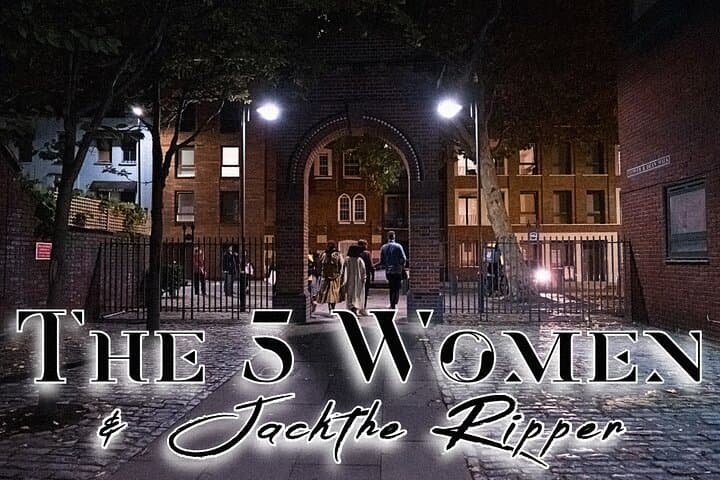
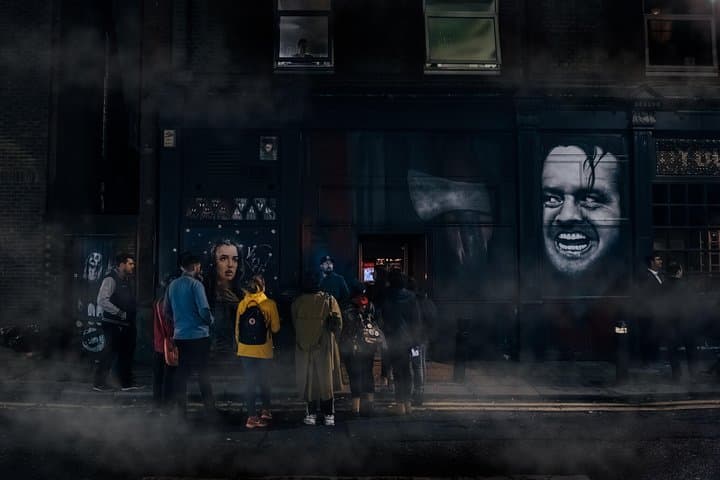
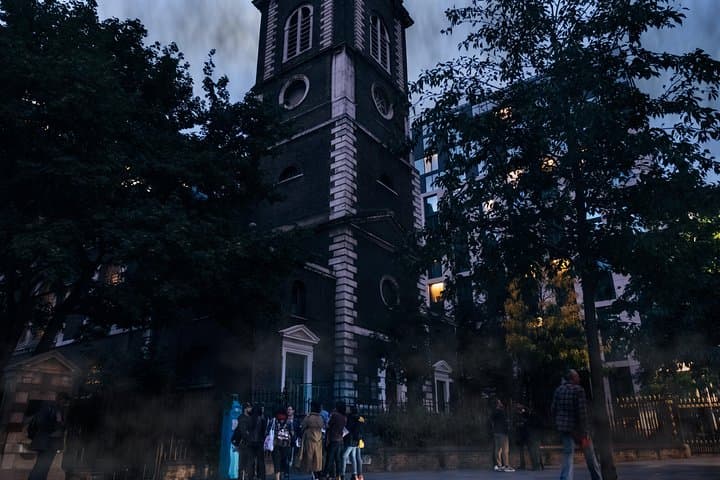
You step off the Tube into damp, narrow streets where gas-light shadows still feel possible; the air carries the tang of fried food from Brick Lane while brick terraces and late-Victorian tenements tower close enough to brush your shoulder. This two-hour guided walk threads through Whitechapel and Spitalfields, following the footprints left in 1888 and tracing the lives that were eclipsed by headlines.
You step off the Tube into damp, narrow streets where gas-light shadows still feel possible; the air carries the tang of fried food from Brick Lane while brick terraces and late-Victorian tenements tower close enough to brush your shoulder. This two-hour guided walk threads through Whitechapel and Spitalfields, following the footprints left in 1888 and tracing the lives that were eclipsed by headlines.
The tour strips myth from fact: Victorian London’s East End was built on marshy ground reclaimed over centuries, a dense maze of courts and alleys where poverty, overcrowding and rapid industrial growth fed both crime and rumor. Guides weave social history with forensic context—policing in the 19th century, immigration waves from Ireland and the Jewish diaspora, and how urban redevelopment changed the streets you now walk.
Culturally, the route intersects markets, curry houses on Brick Lane and public houses like the Ten Bells—places with layers of community memory. Geology plays a quiet role: you’re walking on landfill and old riverbeds where the River Thames once spread wide; building lines and foundations tell that story if you look down.
Practical guidance: wear stiff-soled walking shoes for cobbles, bring rain protection and a charged phone for maps. The pace is steady but accessible; expect up to 25 people in a group and surfaces are mostly level. Public transport access is excellent—arrive 10–15 minutes early at the meeting point. Keep an open mind: the tour focuses on the victims and context rather than sensationalism, so be prepared for sober historic detail.