THE ADVENTURE COLLECTIVE® · Independent discovery and booking for outdoor travel

Explore Terceira’s volcanic ridgelines, crater lakes and coastal paths on a guided 3–4 hour walk. Expect varied terrain, ocean views and a small lunch to finish — ideal for hikers wanting context on plants, geology and local life.
Explore Terceira’s volcanic ridgelines, crater lakes and coastal paths on a guided 3–4 hour walk. Expect varied terrain, ocean views and a small lunch to finish — ideal for hikers wanting context on plants, geology and local life.
A salt-steeped wind meets your face as the trail drops toward the ocean; basalt cliffs loom left, and a stitched ribbon of path threads through laurel and hydrangea. On Terceira, walking is a way to read the island’s geology with your boots — volcanic ridges give way to grassy caldeiras and secluded crater lakes, and the Atlantic often feels like it’s daring you to stand at the lip and look out.
Verified experiences and guided adventures in the surrounding area.
Operated by Pro Island Tour · Angra do Heroísmo, Azores
A salt-steeped wind meets your face as the trail drops toward the ocean; basalt cliffs loom left, and a stitched ribbon of path threads through laurel and hydrangea. On Terceira, walking is a way to read the island’s geology with your boots — volcanic ridges give way to grassy caldeiras and secluded crater lakes, and the Atlantic often feels like it’s daring you to stand at the lip and look out.
This network of trails crosses land shaped by eruptions and centuries of human use. Farmers carved stone walls across pastures; native Azorean flora survives alongside introduced pines and eucalyptus. The island’s caldeiras reflect a volcanic past: some were explosive collapses, others are deeply eroded shield structures that now host lakes like Lagoa dos Altares. Culturally, Terceira blends Portuguese island life with festive municipal traditions in towns such as Angra do Heroísmo, a short drive from most trailheads.
Expect varied terrain: coastal rock slabs, packed dirt, boardwalk through wetter sections, and a moderate climb to a crater rim with panoramic village views. Wildlife is understated—lizards, seabirds and endemic plants are common study subjects for curious walkers.
Practical guide: arrive with layered clothing for unpredictable Atlantic weather, waterproof footwear, and at least 1.5–2 liters of water. Trails are generally well-marked but can be muddy after rain; a local guide adds context on plants and safe routes. The outing typically lasts 3–4 hours and ends with a small lunch — a chance to unwind and compare photos as the island exhales around you.
moderate.
3–4 hours.
Comfortable for people who walk regularly and can handle short climbs and uneven ground.
Guided walks run about 3–4 hours (180–240 minutes), including stops and a small lunch at the end.
The tour is rated easy-to-moderate and is generally suitable for most ages, but not recommended for people with serious back or heart problems; check with the operator for mobility concerns.
A local guide is included and adds safety, route-finding and explanations of geology and vegetation—recommended for first-time visitors.
Tours can be canceled for bad weather with full refunds if canceled at least 24 hours before departure; bring waterproof layers as conditions can change quickly.
Terceira’s landscape reflects repeated volcanic activity and centuries of agrarian settlement; Angra do Heroísmo developed as a key harbor in the Age of Discovery.
Stay on marked routes to protect endemic vegetation and soils; local groups monitor introduced species like eucalyptus that can alter water tables.
Pro Island Tour operates guided outdoor trips and adventures with an emphasis on safety, stewardship, and memorable experiences.
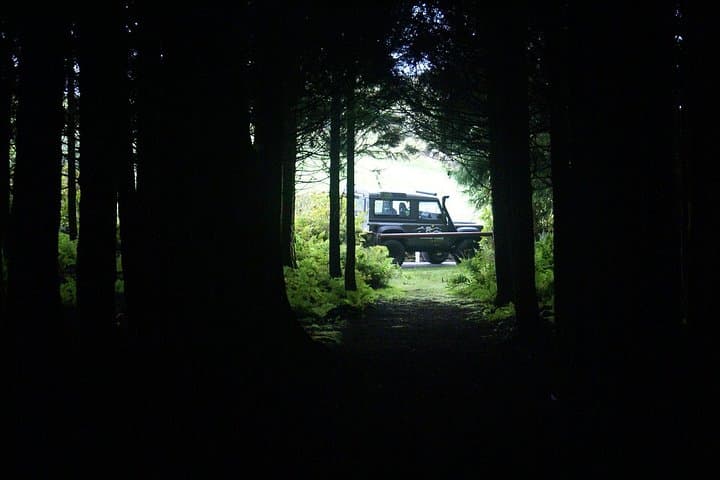
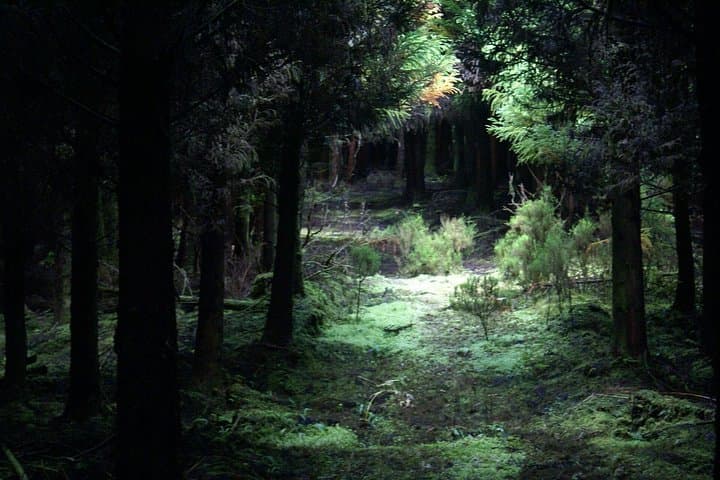
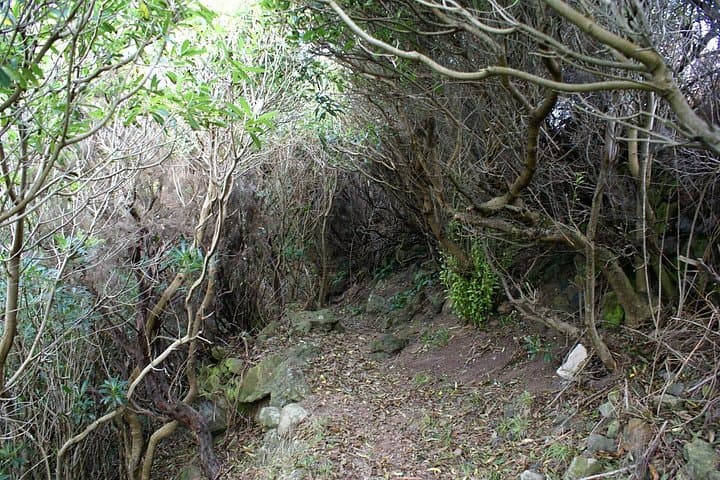
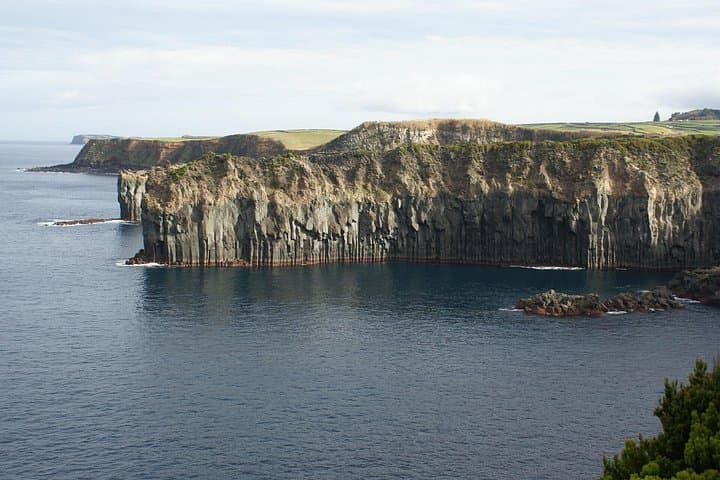
A salt-steeped wind meets your face as the trail drops toward the ocean; basalt cliffs loom left, and a stitched ribbon of path threads through laurel and hydrangea. On Terceira, walking is a way to read the island’s geology with your boots — volcanic ridges give way to grassy caldeiras and secluded crater lakes, and the Atlantic often feels like it’s daring you to stand at the lip and look out.
A salt-steeped wind meets your face as the trail drops toward the ocean; basalt cliffs loom left, and a stitched ribbon of path threads through laurel and hydrangea. On Terceira, walking is a way to read the island’s geology with your boots — volcanic ridges give way to grassy caldeiras and secluded crater lakes, and the Atlantic often feels like it’s daring you to stand at the lip and look out.
This network of trails crosses land shaped by eruptions and centuries of human use. Farmers carved stone walls across pastures; native Azorean flora survives alongside introduced pines and eucalyptus. The island’s caldeiras reflect a volcanic past: some were explosive collapses, others are deeply eroded shield structures that now host lakes like Lagoa dos Altares. Culturally, Terceira blends Portuguese island life with festive municipal traditions in towns such as Angra do Heroísmo, a short drive from most trailheads.
Expect varied terrain: coastal rock slabs, packed dirt, boardwalk through wetter sections, and a moderate climb to a crater rim with panoramic village views. Wildlife is understated—lizards, seabirds and endemic plants are common study subjects for curious walkers.
Practical guide: arrive with layered clothing for unpredictable Atlantic weather, waterproof footwear, and at least 1.5–2 liters of water. Trails are generally well-marked but can be muddy after rain; a local guide adds context on plants and safe routes. The outing typically lasts 3–4 hours and ends with a small lunch — a chance to unwind and compare photos as the island exhales around you.