THE ADVENTURE COLLECTIVE® · Independent discovery and booking for outdoor travel

Explore Samarkand on foot, moving from the tiled drama of Registan to the funerary lanes of Shahi Zinda and the observatory of Ulugbek. This guided walk blends history, craftsmanship and practical tips for a full-day city immersion.
Explore Samarkand on foot, moving from the tiled drama of Registan to the funerary lanes of Shahi Zinda and the observatory of Ulugbek. This guided walk blends history, craftsmanship and practical tips for a full-day city immersion.
You step onto Registan’s wide square as the morning sun pulls color from the blue tiles — the courtyard hums with footsteps, vendors, and the soft clack of shoes on stone. The city doesn’t wait; it invites you to keep pace: narrow alleys pull you toward Shahi Zinda’s glazed mosaics, while the dusty silhouette of Ulugbek’s observatory speaks of stargazers who once mapped the heavens.
Verified experiences and guided adventures in the surrounding area.
Operated by Сиявуш · Samarkand, Samarkand Region
You step onto Registan’s wide square as the morning sun pulls color from the blue tiles — the courtyard hums with footsteps, vendors, and the soft clack of shoes on stone. The city doesn’t wait; it invites you to keep pace: narrow alleys pull you toward Shahi Zinda’s glazed mosaics, while the dusty silhouette of Ulugbek’s observatory speaks of stargazers who once mapped the heavens.
Samarkand is an urban palimpsest shaped by the Silk Road and the Timurids. Its architecture is fired by local clays and centuries of tile-making, producing the intense blues and geometric scripts that define the skyline. You’ll hear layers of history in the mausoleums, madrassas, and the market cries — Persian, Turkic and Islamic influences folded into one living city.
Culturally, this is a working city: bazaars brim with dried fruits and plov spices, craftsmen still press paper and weave ikat, and small teahouses offer strong green tea and conversation. Less visible are the archaeological traces at Afrasiyab and the agricultural plain that once fed caravans.
Practical guidance: plan at least five to six hours to move deliberately between Registan, Gur-Emir, Shahi Zinda and Ulugbek Observatory; mornings and late afternoons offer softer light and cooler temperatures. Wear closed, comfortable walking shoes for uneven stone and carry water — tap water is chlorinated but many opt for bottled. Dress respectfully when entering religious sites (shoulders and knees covered). Bring cash for small purchases and allow time to pause at a tea house or the Siab Bazaar to absorb local life.
easy.
5–6 hours.
Able to walk on uneven city pavements for several hours; minimal elevation change.
The itinerary runs about six hours total, covering the major sites with short stops for explanations and photo breaks.
Check booking specifics; many city tours include external viewing and guided explanations, while some mausoleums and museums may require separate tickets.
Yes — the route is relatively flat and suitable for all fitness levels, though it involves several hours of walking and some uneven surfaces.
Yes — Siab Bazaar and nearby stalls sell textiles, dried fruit and local snacks; carry local currency for small purchases.
Samarkand was a key Silk Road hub and the capital of Timur’s Timurid Empire; its monumental architecture dates largely to that 14th–15th century florescence.
Tile mosaics and historic facades are maintained through restoration projects; visitors help by avoiding touching delicate tilework and supporting local artisans rather than mass-made souvenirs.
Сиявуш operates guided outdoor trips and adventures with an emphasis on safety, stewardship, and memorable experiences.

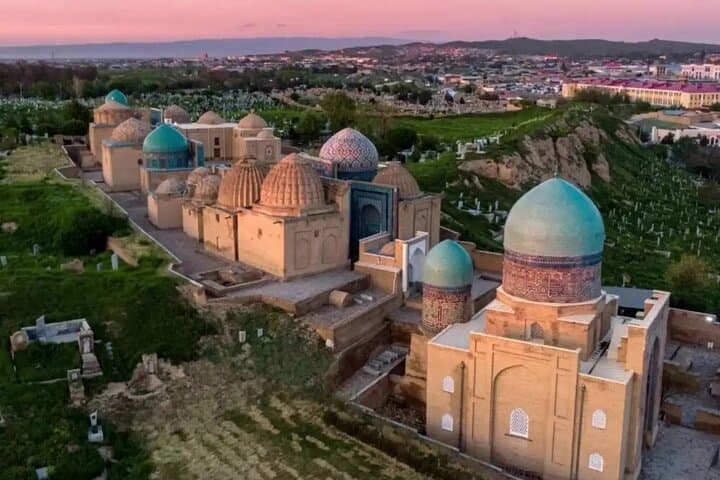

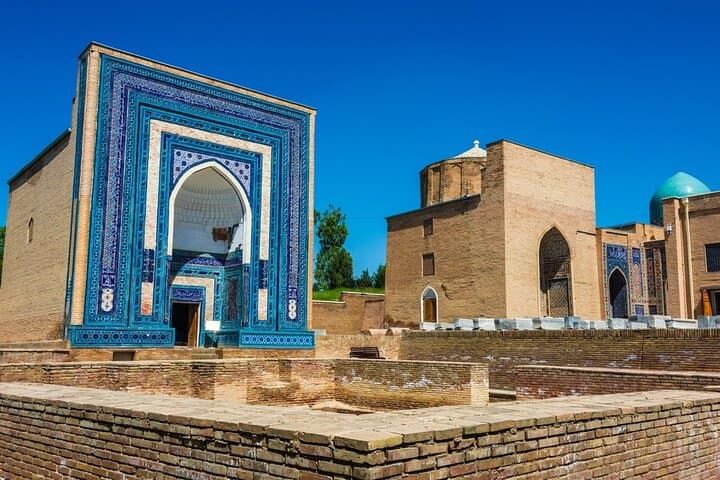
You step onto Registan’s wide square as the morning sun pulls color from the blue tiles — the courtyard hums with footsteps, vendors, and the soft clack of shoes on stone. The city doesn’t wait; it invites you to keep pace: narrow alleys pull you toward Shahi Zinda’s glazed mosaics, while the dusty silhouette of Ulugbek’s observatory speaks of stargazers who once mapped the heavens.
You step onto Registan’s wide square as the morning sun pulls color from the blue tiles — the courtyard hums with footsteps, vendors, and the soft clack of shoes on stone. The city doesn’t wait; it invites you to keep pace: narrow alleys pull you toward Shahi Zinda’s glazed mosaics, while the dusty silhouette of Ulugbek’s observatory speaks of stargazers who once mapped the heavens.
Samarkand is an urban palimpsest shaped by the Silk Road and the Timurids. Its architecture is fired by local clays and centuries of tile-making, producing the intense blues and geometric scripts that define the skyline. You’ll hear layers of history in the mausoleums, madrassas, and the market cries — Persian, Turkic and Islamic influences folded into one living city.
Culturally, this is a working city: bazaars brim with dried fruits and plov spices, craftsmen still press paper and weave ikat, and small teahouses offer strong green tea and conversation. Less visible are the archaeological traces at Afrasiyab and the agricultural plain that once fed caravans.
Practical guidance: plan at least five to six hours to move deliberately between Registan, Gur-Emir, Shahi Zinda and Ulugbek Observatory; mornings and late afternoons offer softer light and cooler temperatures. Wear closed, comfortable walking shoes for uneven stone and carry water — tap water is chlorinated but many opt for bottled. Dress respectfully when entering religious sites (shoulders and knees covered). Bring cash for small purchases and allow time to pause at a tea house or the Siab Bazaar to absorb local life.