
Walking Tour of Skopje: Old Bazaar, Fortress & City Highlights
Explore Skopje on a guided 1.5–2 hour walking tour that crosses Macedonia Square, the Old Bazaar, and Kale Fortress. Expect a mix of modern monuments, earthquake history, and lively market lanes with practical tips for timing and gear.
An Adventure In Skopje.
Explore Skopje on a guided 1.5–2 hour walking tour that crosses Macedonia Square, the Old Bazaar, and Kale Fortress. Expect a mix of modern monuments, earthquake history, and lively market lanes with practical tips for timing and gear.
Read the full experience
The guide waits at the Ristich Palace entrance on Macedonia Square, and the city opens like a map under your feet: broad promenades, the Vardar river daring you to follow its curve, and mosaics of Ottoman lanes that still hum with market life.
The guide waits at the Ristich Palace entrance on Macedonia Square, and the city opens like a map under your feet: broad promenades, the Vardar river daring you to follow its curve, and mosaics of Ottoman lanes that still hum with market life.
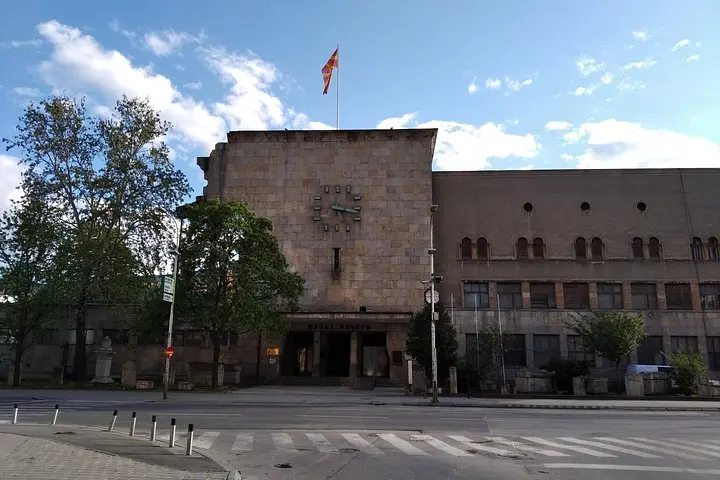
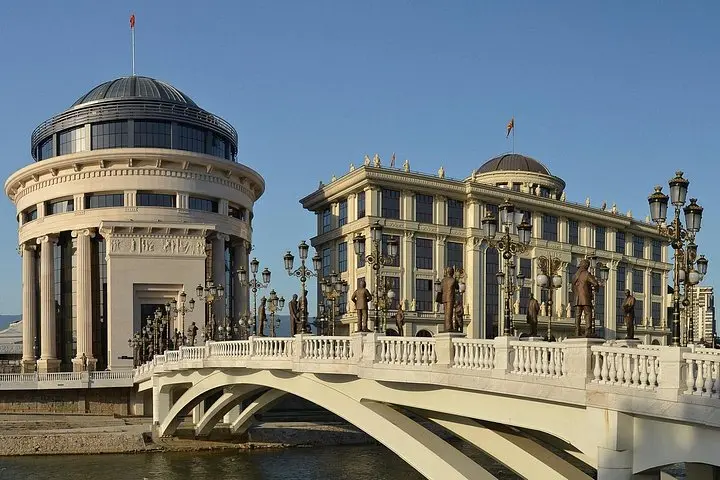
This two-hour walk threads modern monuments and deep history. Skopje’s cityscape was altered dramatically by the 1963 earthquake; fragments of Roman and Byzantine archaeology sit beside 20th-century repairs and the controversial Skopje 2014 facades. The tour passes the Memorial House of Mother Teresa (a native of Skopje), the Earthquake Museum, Parliament, the Stone Bridge and the Old Bazaar — once a crossroads on Balkan trade routes. The short uphill to Kale Fortress offers a compact lesson in geology: the fortress crowns a limestone ridge that overlooks the Skopje valley and its surrounding ranges.
Expect mostly paved streets, a few stair sections, and an energized mix of pedestrians and market stalls. The walk covers roughly 2–3 km with modest elevation change; comfortable shoes and steady pacing suffice for most travelers. Midday can be hot in summer, while late afternoon light favors photography and cooler air. Guides often tailor stops to group interests, expanding time in the bazaar or lingering at panoramic viewpoints.
Practical notes: carry small cash for bazaar purchases, keep water on hand, and allow time after the tour to browse cafés in Debar Maalo or climb back to the fortress at sunset. This is urban exploration with a practical rhythm — history, civic architecture, and the river’s pulse framing the city’s story.
Frequently asked questions
Meet at the Central Square in front of Ristich Palace, about 20 meters from the main fountain; guides will wait there and identify themselves.
Yes—strollers are possible on most paved sections, though some bazaar alleys and stairs may require brief lifts.
Guides typically operate in English; other languages may be available on request—check booking details before your tour.
The walking tour covers exteriors and viewpoints; entry fees to museums or special exhibits are usually not included and can be paid on-site.
About This Experience
Aleksandar Todorovski operates guided outdoor trips and adventures with an emphasis on safety, stewardship, and memorable experiences.
Adventure tips
Recommended gear
- Comfortable walking shoes: Supportive soles for cobbles, stairs, and uneven bazaar alleys.
- Refillable water bottle: Keeps you hydrated through the route—especially important in summer.
- Light jacket or windbreaker: Useful for cool mornings, breezes by the river, or sudden showers.
- Small amount of local cash (denar): Handy for purchases in the Old Bazaar and tipping your guide.
Photos of the experience
Related adventures & guides
Read the full experience
The guide waits at the Ristich Palace entrance on Macedonia Square, and the city opens like a map under your feet: broad promenades, the Vardar river daring you to follow its curve, and mosaics of Ottoman lanes that still hum with market life.
The guide waits at the Ristich Palace entrance on Macedonia Square, and the city opens like a map under your feet: broad promenades, the Vardar river daring you to follow its curve, and mosaics of Ottoman lanes that still hum with market life.
This two-hour walk threads modern monuments and deep history. Skopje’s cityscape was altered dramatically by the 1963 earthquake; fragments of Roman and Byzantine archaeology sit beside 20th-century repairs and the controversial Skopje 2014 facades. The tour passes the Memorial House of Mother Teresa (a native of Skopje), the Earthquake Museum, Parliament, the Stone Bridge and the Old Bazaar — once a crossroads on Balkan trade routes. The short uphill to Kale Fortress offers a compact lesson in geology: the fortress crowns a limestone ridge that overlooks the Skopje valley and its surrounding ranges.
Expect mostly paved streets, a few stair sections, and an energized mix of pedestrians and market stalls. The walk covers roughly 2–3 km with modest elevation change; comfortable shoes and steady pacing suffice for most travelers. Midday can be hot in summer, while late afternoon light favors photography and cooler air. Guides often tailor stops to group interests, expanding time in the bazaar or lingering at panoramic viewpoints.
Practical notes: carry small cash for bazaar purchases, keep water on hand, and allow time after the tour to browse cafés in Debar Maalo or climb back to the fortress at sunset. This is urban exploration with a practical rhythm — history, civic architecture, and the river’s pulse framing the city’s story.
Make a day of it nearby.
Verified experiences and guided adventures in the surrounding area.