THE ADVENTURE COLLECTIVE® · Independent discovery and booking for outdoor travel

Explore Kathmandu on foot with a licensed guide and a full day of Durbar squares, temples, and bustling markets. This structured walk blends history, local culture, and practical navigation through the city’s narrow lanes.
Explore Kathmandu on foot with a licensed guide and a full day of Durbar squares, temples, and bustling markets. This structured walk blends history, local culture, and practical navigation through the city’s narrow lanes.
You step off the main road and into a narrower world: prayer flags ripple like color in the air, narrow brick alleys funnel the city’s scent—spices, incense, frying oil—while a licensed guide points to carved wooden windows that have watched generations pass.
Verified experiences and guided adventures in the surrounding area.
Operated by Arpan Nepal · Kathmandu, Bagmati Province
You step off the main road and into a narrower world: prayer flags ripple like color in the air, narrow brick alleys funnel the city’s scent—spices, incense, frying oil—while a licensed guide points to carved wooden windows that have watched generations pass.
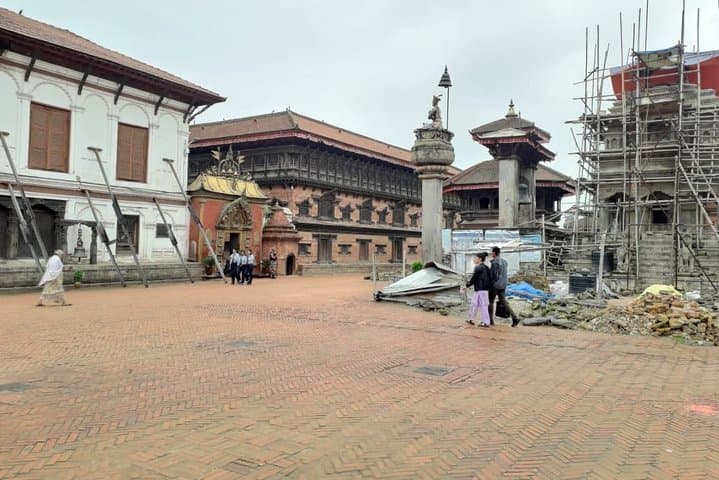
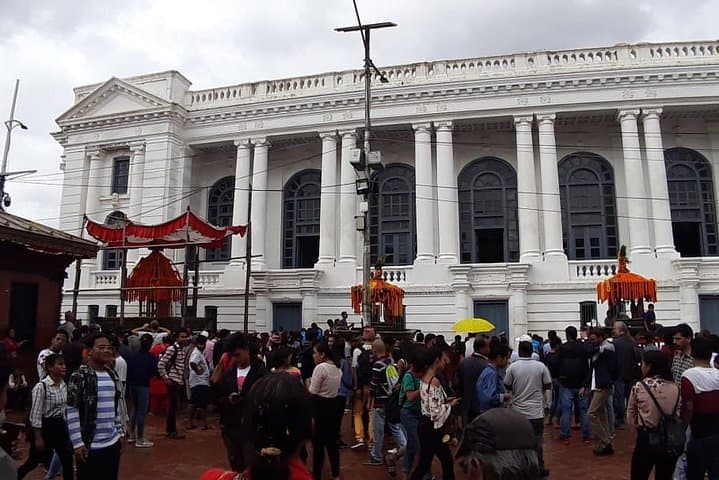
The route threads through Kathmandu’s living history. Durbar squares — once royal courtyards of the Malla and Shah dynasties — hold temples and palaces whose stone and timber record centuries of craft. Geologically the valley sits in a basin formed by tectonic uplift and river sediment, so the city climbs from flat markets into hilly temple sites where views open and the Bagmati River dares you to follow its curve.
Culturally, Kathmandu is Newar craftwork, Tibetan prayer wheels, and the bustle of market life; local cafés in the old hippie quarter offer strong tea and conversation. Expect layered traditions: daily puja at shrines, artisans hammering copper, and markets for spices and textiles.
Practical guidance: this is a full-day urban walk (approximately 7–8 hours). Wear sturdy shoes for uneven stone and narrow lanes, carry water, and keep a small amount of cash for entrance fees and purchases. Dress modestly for temple visits and follow your guide’s directions—photography and shoes-off rules vary by site. Start early to avoid afternoon heat and allow time for markets and a sit-down meal.
A licensed guide makes the difference here: they translate signs, point out architectural details, and help you move confidently through crowds so you experience Kathmandu’s history and present with clarity and context.
easy.
7–8 hours.
Suitable for a wide range of fitness levels; requires ability to walk several hours on uneven surfaces.
The tour runs about 7–8 hours and covers several major sites and markets with time for breaks and a meal.
Some historic sites commonly require small admission fees; confirm with the operator but expect to pay modest entry charges for museums and certain temples.
Yes—this is rated easy and suitable for most fitness levels, but participants should be comfortable walking for several hours and negotiating steps and narrow lanes.
A licensed English-speaking guide is included; ask in advance if you need a guide in another language.
Kathmandu Valley was governed by Newar kingdoms and later became the Shah monarchy’s seat; Durbar squares preserve palace layouts and religious centers dating back centuries.
Many heritage structures were damaged in past earthquakes; support local preservation by following site rules, staying on paths, and using licensed guides who contribute to guided-access management.
Arpan Nepal operates guided outdoor trips and adventures with an emphasis on safety, stewardship, and memorable experiences.
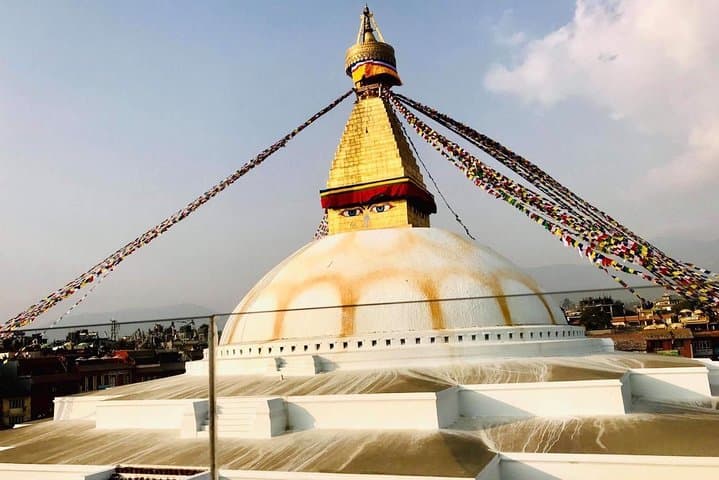
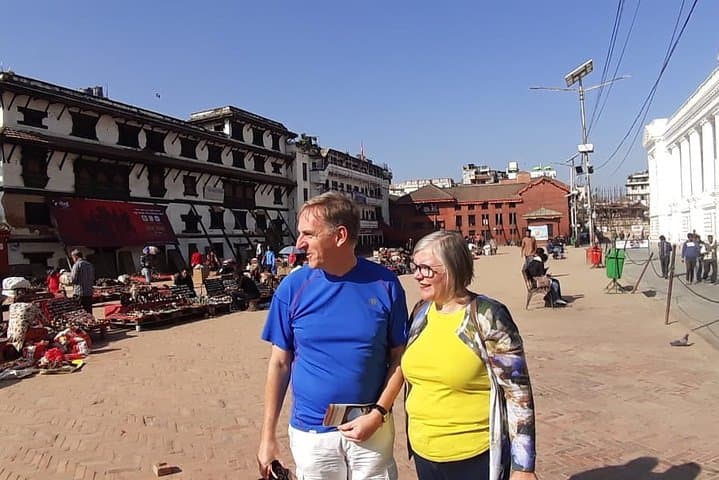
You step off the main road and into a narrower world: prayer flags ripple like color in the air, narrow brick alleys funnel the city’s scent—spices, incense, frying oil—while a licensed guide points to carved wooden windows that have watched generations pass.
You step off the main road and into a narrower world: prayer flags ripple like color in the air, narrow brick alleys funnel the city’s scent—spices, incense, frying oil—while a licensed guide points to carved wooden windows that have watched generations pass.
The route threads through Kathmandu’s living history. Durbar squares — once royal courtyards of the Malla and Shah dynasties — hold temples and palaces whose stone and timber record centuries of craft. Geologically the valley sits in a basin formed by tectonic uplift and river sediment, so the city climbs from flat markets into hilly temple sites where views open and the Bagmati River dares you to follow its curve.
Culturally, Kathmandu is Newar craftwork, Tibetan prayer wheels, and the bustle of market life; local cafés in the old hippie quarter offer strong tea and conversation. Expect layered traditions: daily puja at shrines, artisans hammering copper, and markets for spices and textiles.
Practical guidance: this is a full-day urban walk (approximately 7–8 hours). Wear sturdy shoes for uneven stone and narrow lanes, carry water, and keep a small amount of cash for entrance fees and purchases. Dress modestly for temple visits and follow your guide’s directions—photography and shoes-off rules vary by site. Start early to avoid afternoon heat and allow time for markets and a sit-down meal.
A licensed guide makes the difference here: they translate signs, point out architectural details, and help you move confidently through crowds so you experience Kathmandu’s history and present with clarity and context.