THE ADVENTURE COLLECTIVE® · Independent discovery and booking for outdoor travel

Walk Chattanooga’s river edge and Bluff View Art District with a guide who ties geology, industrial history, and public art into a 75–105 minute urban stroll. Expect museum stops, bridge lore, and hands-on local stories.
Walk Chattanooga’s river edge and Bluff View Art District with a guide who ties geology, industrial history, and public art into a 75–105 minute urban stroll. Expect museum stops, bridge lore, and hands-on local stories.
Stand on the bluff above the Tennessee River and the city unfolds: red brick warehouses converted to galleries, a steel bridge arcing across the water, and a guide pointing out the scar of industry that shaped the place.
Verified experiences and guided adventures in the surrounding area.
Operated by Chattanooga Trolley Tour · Chattanooga, Tennessee
Stand on the bluff above the Tennessee River and the city unfolds: red brick warehouses converted to galleries, a steel bridge arcing across the water, and a guide pointing out the scar of industry that shaped the place.
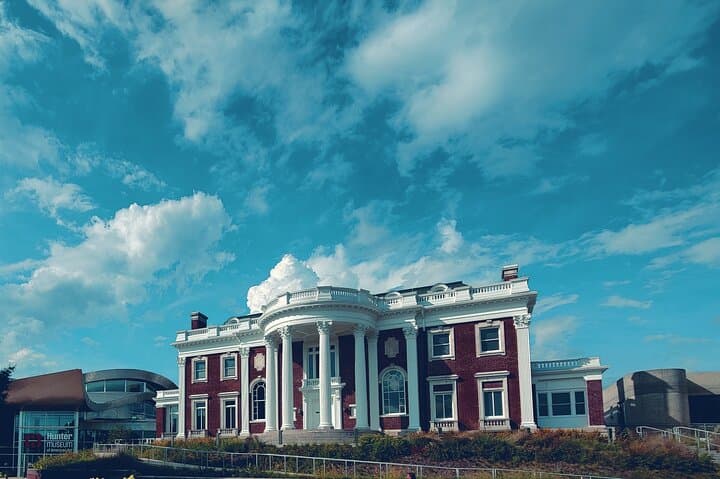
This 75–105 minute walking tour threads through Chattanooga’s core—starting at the Hunter Museum sculpture, moving through the Bluff View Art District, past the decorative glass displays and the Walnut Street Bridge, then down toward Ross’s Landing. Chattanooga’s story is geological and industrial: river and ridge meet here, with Lookout Mountain and the Cumberland Plateau forming a bowl that channeled river traffic and rail lines in the 19th century. The city’s waterfront evolution—from rail yards and mills to parks and museums—frames the tour’s narrative.
Guides mix civic history with cultural color: river commerce, Civil War logistics, and 20th-century manufacturing give way to today’s arts scene and public installations. Expect close looks at memorials, public art, and a few offbeat stops like the pinball collection and local glasswork.
Practical notes: the route is urban sidewalks and short stair sections; wear sturdy walking shoes and plan for river breezes. The meeting point is the Hunter Museum entrance sculpture—arrive 10 minutes early. The tour is wheelchair- and stroller-accessible in most sections, though some older sidewalks and bridge surfaces can be uneven. Bring water, a light jacket for river winds, and a charged phone for photos and map checks. Morning and late-afternoon walks bring the best light for views and cooler temperatures.
moderate.
1.25–1.75 hours.
Participants should have a moderate level of fitness for continuous walking on city terrain and brief stair sections.
Meet at the sculpture in front of the Hunter Museum of American Art entrance; guides request arrival 10 minutes before departure.
Most of the route is wheelchair- and stroller-accessible, though some older sidewalks and the bridge can be uneven—contact the operator for specific accommodations.
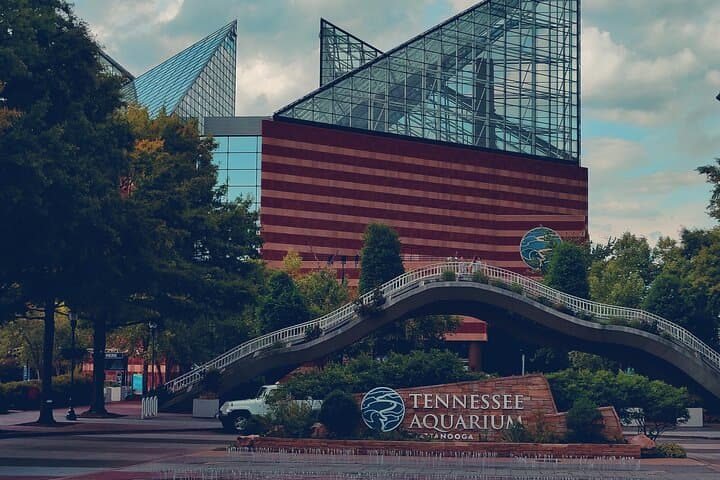
No; the tour provides exterior views and historical context but does not include paid admissions to sites like the aquarium or museum interiors.
Tours may be canceled for severe weather; check the cancellation policy and contact the operator for rescheduling or refunds if conditions are poor.
Chattanooga’s location at a river bend and between ridges made it a 19th-century transportation hub—rail and river traffic fueled rapid industrial growth and strategic Civil War campaigns.
Riverfront revitalization projects and local nonprofits focus on water quality and green-space restoration—stay on paths and avoid disturbing riverbank vegetation.
Chattanooga Trolley Tour operates guided outdoor trips and adventures with an emphasis on safety, stewardship, and memorable experiences.
Stand on the bluff above the Tennessee River and the city unfolds: red brick warehouses converted to galleries, a steel bridge arcing across the water, and a guide pointing out the scar of industry that shaped the place.
Stand on the bluff above the Tennessee River and the city unfolds: red brick warehouses converted to galleries, a steel bridge arcing across the water, and a guide pointing out the scar of industry that shaped the place.
This 75–105 minute walking tour threads through Chattanooga’s core—starting at the Hunter Museum sculpture, moving through the Bluff View Art District, past the decorative glass displays and the Walnut Street Bridge, then down toward Ross’s Landing. Chattanooga’s story is geological and industrial: river and ridge meet here, with Lookout Mountain and the Cumberland Plateau forming a bowl that channeled river traffic and rail lines in the 19th century. The city’s waterfront evolution—from rail yards and mills to parks and museums—frames the tour’s narrative.
Guides mix civic history with cultural color: river commerce, Civil War logistics, and 20th-century manufacturing give way to today’s arts scene and public installations. Expect close looks at memorials, public art, and a few offbeat stops like the pinball collection and local glasswork.
Practical notes: the route is urban sidewalks and short stair sections; wear sturdy walking shoes and plan for river breezes. The meeting point is the Hunter Museum entrance sculpture—arrive 10 minutes early. The tour is wheelchair- and stroller-accessible in most sections, though some older sidewalks and bridge surfaces can be uneven. Bring water, a light jacket for river winds, and a charged phone for photos and map checks. Morning and late-afternoon walks bring the best light for views and cooler temperatures.