THE ADVENTURE COLLECTIVE® · Independent discovery and booking for outdoor travel

Explore Pullman’s red-brick streets and pivotal labor history on a private half-day walking tour. Learn how this planned industrial town shaped American labor and urban design while visiting Hotel Florence, the factory, and local museums.
Explore Pullman’s red-brick streets and pivotal labor history on a private half-day walking tour. Learn how this planned industrial town shaped American labor and urban design while visiting Hotel Florence, the factory, and local museums.
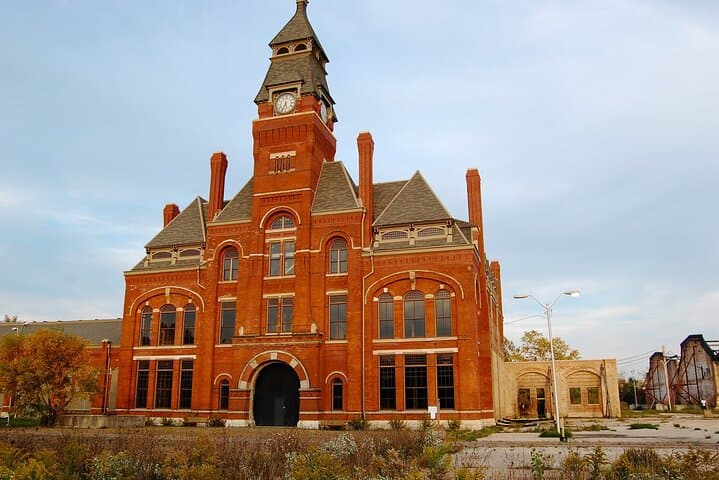
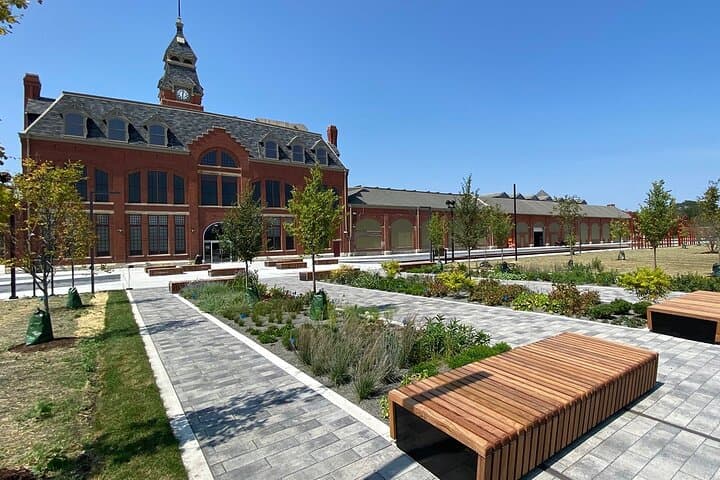
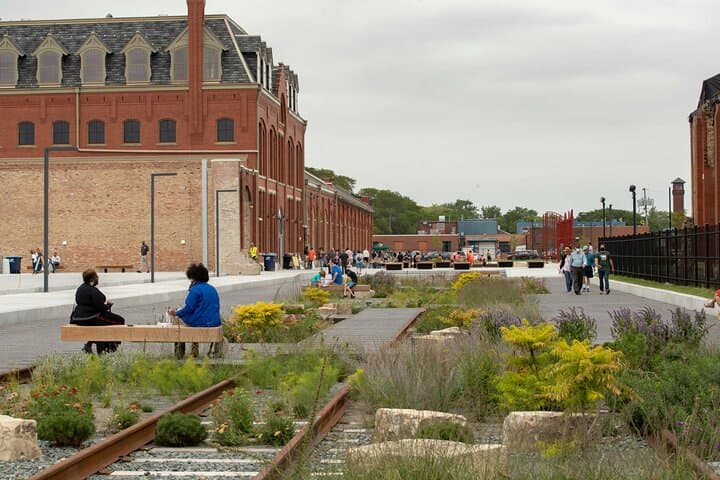
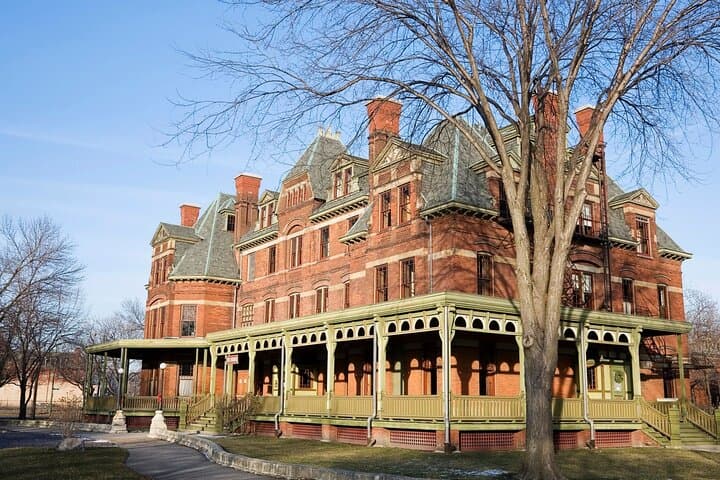
You step off the train and the city’s grid softens into a straight line of brick — rows of houses with matching cornices, a hotel that looks like it belongs to a different century, and an administration building that still keeps watch. In Pullman the built environment feels alive: iron rails that once pushed luxury railcars now point the way through tree-lined streets where stories of labor and design unfold.
Verified experiences and guided adventures in the surrounding area.
Operated by ForeverVacation · Chicago, Illinois
You step off the train and the city’s grid softens into a straight line of brick — rows of houses with matching cornices, a hotel that looks like it belongs to a different century, and an administration building that still keeps watch. In Pullman the built environment feels alive: iron rails that once pushed luxury railcars now point the way through tree-lined streets where stories of labor and design unfold.
George Pullman planned this neighborhood in the 1880s as a model industrial town. Its red-brick cottages, Hotel Florence, and the factory complex reflect Victorian industrial design and early urban planning. The 1894 Pullman Strike — a pivotal event in U.S. labor history — erupted on these streets, shaping labor law and public policy. In 2015 the area gained protection as Pullman National Monument, preserving both architecture and the layered cultural history of African American rail porters and immigrant workers.
Geologically flat, the neighborhood sits on Chicago’s prairie plain; surface drainage and wind shaped the modest trees and pocket parks you’ll see. Cultural notes appear in plaques, the A. Philip Randolph Pullman Porter Museum, and the small civic buildings that once anchored daily life.
Practical guidance: expect four hours of easy walking on paved sidewalks and occasional uneven brickwork. Wear supportive shoes, bring water and a light layer for lake-effect wind. Public transit access is straightforward; the tour provides train fare back to the city. Photography is welcome but be respectful of private residences. The route is accessible for most fitness levels and suitable for families. A private guide translates architecture and labor history into a compact, readable half-day that makes Pullman’s past tangible and immediate.
easy.
4 hours.
Suitable for most fitness levels; involves continuous walking on paved and brick surfaces
The private tour is four hours and covers a compact area with continuous walking on paved and brick streets and occasional short stairways.
The tour includes train tickets back to the city and any advertised admissions; bottled water and lunch are included per the tour listing.
Yes—it's rated physically easy and stroller-accessible; some historic buildings have limited interior access, but sidewalks are generally navigable.
Yes—this private tour can be tailored to emphasize labor movement history, architectural details, or local cultural sites like the Pullman Porter Museum.
Pullman was conceived in the 1880s as a planned company town for Pullman Palace Car Company employees; the 1894 strike there played a major role in national labor reforms.
The National Monument designation helps protect historic fabric and promote adaptive reuse; visitors are encouraged to stick to public paths and support local preservation groups.
ForeverVacation operates guided outdoor trips and adventures with an emphasis on safety, stewardship, and memorable experiences.
You step off the train and the city’s grid softens into a straight line of brick — rows of houses with matching cornices, a hotel that looks like it belongs to a different century, and an administration building that still keeps watch. In Pullman the built environment feels alive: iron rails that once pushed luxury railcars now point the way through tree-lined streets where stories of labor and design unfold.
You step off the train and the city’s grid softens into a straight line of brick — rows of houses with matching cornices, a hotel that looks like it belongs to a different century, and an administration building that still keeps watch. In Pullman the built environment feels alive: iron rails that once pushed luxury railcars now point the way through tree-lined streets where stories of labor and design unfold.
George Pullman planned this neighborhood in the 1880s as a model industrial town. Its red-brick cottages, Hotel Florence, and the factory complex reflect Victorian industrial design and early urban planning. The 1894 Pullman Strike — a pivotal event in U.S. labor history — erupted on these streets, shaping labor law and public policy. In 2015 the area gained protection as Pullman National Monument, preserving both architecture and the layered cultural history of African American rail porters and immigrant workers.
Geologically flat, the neighborhood sits on Chicago’s prairie plain; surface drainage and wind shaped the modest trees and pocket parks you’ll see. Cultural notes appear in plaques, the A. Philip Randolph Pullman Porter Museum, and the small civic buildings that once anchored daily life.
Practical guidance: expect four hours of easy walking on paved sidewalks and occasional uneven brickwork. Wear supportive shoes, bring water and a light layer for lake-effect wind. Public transit access is straightforward; the tour provides train fare back to the city. Photography is welcome but be respectful of private residences. The route is accessible for most fitness levels and suitable for families. A private guide translates architecture and labor history into a compact, readable half-day that makes Pullman’s past tangible and immediate.