THE ADVENTURE COLLECTIVE® · Independent discovery and booking for outdoor travel

Walk the streets where Cologne’s wartime scars and Jewish history meet. This guided two-hour tour visits the Cathedral, EL-DE Haus (Gestapo HQ), Kolumba and other sobering sites, blending architecture and human stories into a clear-eyed narrative of survival and remembrance.
Walk the streets where Cologne’s wartime scars and Jewish history meet. This guided two-hour tour visits the Cathedral, EL-DE Haus (Gestapo HQ), Kolumba and other sobering sites, blending architecture and human stories into a clear-eyed narrative of survival and remembrance.
You step off the tram and the cathedral looms — a stone spine through a city that remembers. Cobblestones hold the echo of tram wheels and wartime footsteps; the cathedral’s exterior still carries shrapnel scars, reminders the city did not go quietly. Your guide leads you through narrow streets where plaques and quiet courtyards mark locations of loss, resistance, and survival.
Verified experiences and guided adventures in the surrounding area.
Operated by Guided city walks through Cologne’s History · Cologne, North Rhine-Westphalia
You step off the tram and the cathedral looms — a stone spine through a city that remembers. Cobblestones hold the echo of tram wheels and wartime footsteps; the cathedral’s exterior still carries shrapnel scars, reminders the city did not go quietly. Your guide leads you through narrow streets where plaques and quiet courtyards mark locations of loss, resistance, and survival.
Cologne was one of Germany’s most heavily bombed cities in World War II; yet religious and civic sites like Cologne Cathedral endured, their battered façades now part of the city’s story. The NS Documentation Centre (EL-DE Haus) occupies the former Gestapo headquarters and preserves testimonies of oppression. Nearby, Kolumba merges contemporary architecture with preserved ruins to create spaces of reflection. Alt St. Alban’s ruin sits like a patient witness, its collapsed nave a readable fragment of wartime destruction.
The tour blends factual history with human stories: Jewish life before the Nazi era, the mechanisms of persecution, acts of local courage, and postwar reconstruction. Expect a steady two-hour walk with frequent stops for interpretation and photographs; the extended three-hour option includes museum entry.
Practical notes: plan for two hours of mostly flat walking on cobbles; comfortable shoes and a light rain layer are advisable. Mornings offer softer light and fewer crowds; afternoons can be busy near the cathedral. The route is wheelchair accessible but check ahead for group size and language options. Photography is generally permitted outside memorials; inside museum spaces follow staff guidance. This tour suits anyone wanting a grounded, emotionally honest look at how a European city confronts its past while moving forward.
easy.
2 hours.
Suitable for most fitness levels; requires standing and walking on paved/cobblestone surfaces for two hours.
The standard tour is approximately two hours and includes the Cathedral exterior, Kolumba, Alt St. Alban, and the EL-DE Haus (Gestapo HQ) from the outside; a 3-hour option adds museum entry.
Yes — the route and stops are described as wheelchair accessible, though surface cobblestones may require assistance in places; notify the operator when booking.
Tours are led by professional guides and language availability may include German and English; check the booking page for current options.
Photography is generally allowed at outdoor sites; inside museums or memorial exhibitions you must follow signage and staff instructions.
Cologne suffered extensive Allied bombing in WWII but the Cathedral survived with visible shrapnel damage; the EL-DE Haus served as Gestapo headquarters and is now the NS Documentation Centre.
These sites are preserved as educational memorials; visitors should respect signage, avoid touching fragile ruins, and support museum rules that protect artifacts and testimony.
Guided city walks through Cologne’s History operates guided outdoor trips and adventures with an emphasis on safety, stewardship, and memorable experiences.


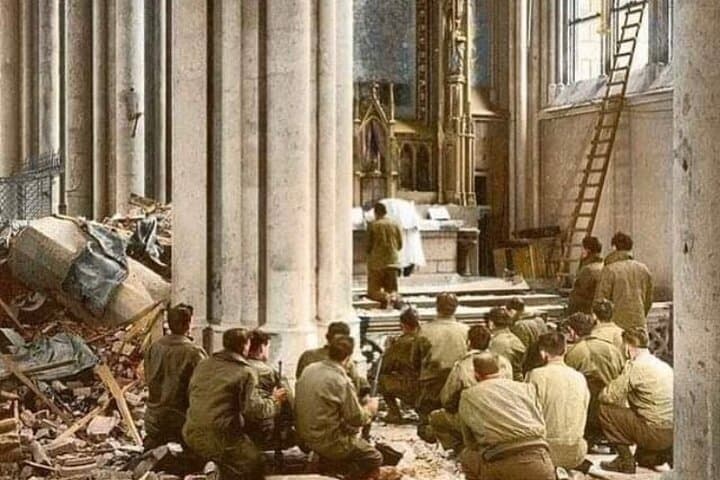

You step off the tram and the cathedral looms — a stone spine through a city that remembers. Cobblestones hold the echo of tram wheels and wartime footsteps; the cathedral’s exterior still carries shrapnel scars, reminders the city did not go quietly. Your guide leads you through narrow streets where plaques and quiet courtyards mark locations of loss, resistance, and survival.
You step off the tram and the cathedral looms — a stone spine through a city that remembers. Cobblestones hold the echo of tram wheels and wartime footsteps; the cathedral’s exterior still carries shrapnel scars, reminders the city did not go quietly. Your guide leads you through narrow streets where plaques and quiet courtyards mark locations of loss, resistance, and survival.
Cologne was one of Germany’s most heavily bombed cities in World War II; yet religious and civic sites like Cologne Cathedral endured, their battered façades now part of the city’s story. The NS Documentation Centre (EL-DE Haus) occupies the former Gestapo headquarters and preserves testimonies of oppression. Nearby, Kolumba merges contemporary architecture with preserved ruins to create spaces of reflection. Alt St. Alban’s ruin sits like a patient witness, its collapsed nave a readable fragment of wartime destruction.
The tour blends factual history with human stories: Jewish life before the Nazi era, the mechanisms of persecution, acts of local courage, and postwar reconstruction. Expect a steady two-hour walk with frequent stops for interpretation and photographs; the extended three-hour option includes museum entry.
Practical notes: plan for two hours of mostly flat walking on cobbles; comfortable shoes and a light rain layer are advisable. Mornings offer softer light and fewer crowds; afternoons can be busy near the cathedral. The route is wheelchair accessible but check ahead for group size and language options. Photography is generally permitted outside memorials; inside museum spaces follow staff guidance. This tour suits anyone wanting a grounded, emotionally honest look at how a European city confronts its past while moving forward.