THE ADVENTURE COLLECTIVE® · Independent discovery and booking for outdoor travel

Walk barefoot across surreal white travertine terraces and explore the ancient ruins of Hierapolis on a small-group day tour from Pamukkale. This guide covers what to expect, when to go, and practical tips to get the most from the thermal pools and ruins.
Walk barefoot across surreal white travertine terraces and explore the ancient ruins of Hierapolis on a small-group day tour from Pamukkale. This guide covers what to expect, when to go, and practical tips to get the most from the thermal pools and ruins.
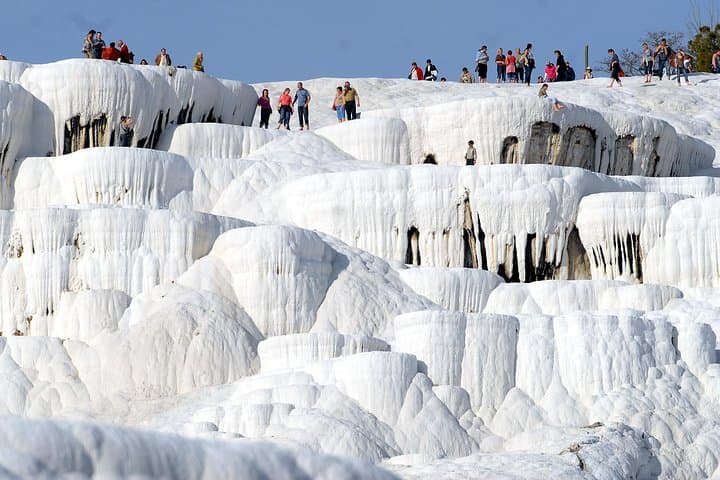
The morning light throws the travertine terraces into sharp relief, white calcium shelves stepping down toward pools the color of aged turquoise. You walk barefoot where water constantly reshapes the surface, each footfall sending tiny ripples through mineral-rich pools that seem to dare you to stay a while.
Verified experiences and guided adventures in the surrounding area.
Operated by Turkey Travel Mart · Pamukkale, Denizli Province
The morning light throws the travertine terraces into sharp relief, white calcium shelves stepping down toward pools the color of aged turquoise. You walk barefoot where water constantly reshapes the surface, each footfall sending tiny ripples through mineral-rich pools that seem to dare you to stay a while.
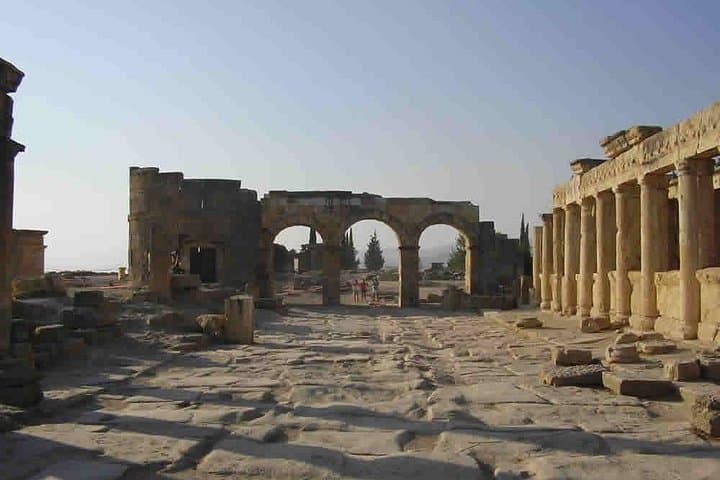
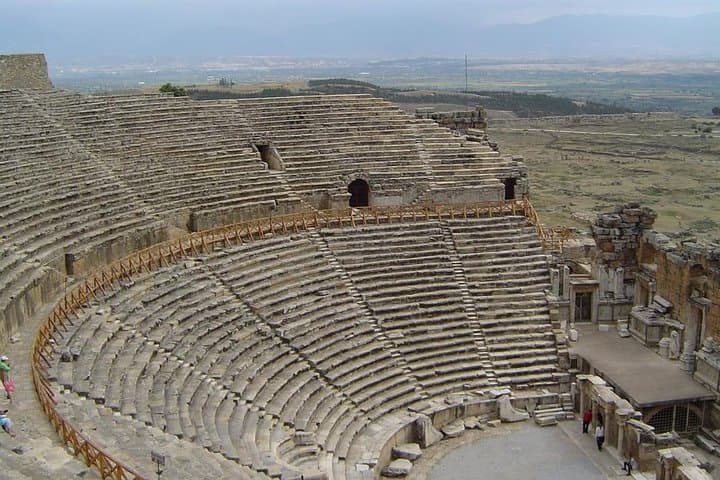
This landscape is geological theater: hot springs have been depositing calcium carbonate for millennia, creating the cascading travertine you see today. Above the terraces sit the ruins of Hierapolis, a Roman spa city whose monumental theater and necropolis frame centuries of human use—Pilgrims, Romans, and Ottoman travelers all came for the same thermal relief that draws visitors now.
Culture here mixes practical and sacred: baths were healing centers and social hubs, and stone inscriptions scattered among the ruins record lives connected to water. Local vendors and small cafés in the nearby village offer gözleme and tea—simple, practical refueling after a day on the terraces.
Practical guidance: aim for a midweek, early arrival to avoid crowds and midday heat; the site is best experienced at a relaxed pace over 4–6 hours. Bring a towel, sun protection, and shoes you can carry—walking barefoot is required on the travertines, and the sun reflects fiercely off white stone. Follow marked paths and observe restricted areas to protect delicate formations.
Expect a blend of easy walking on packed surfaces, a handful of stepped climbs around ancient ruins, and constant photo opportunities. Whether you come for geology, history, or the odd pleasure of warm water under your feet, Pamukkale delivers a day both sensory and instructive.
easy.
4–6 hours.
Suitable for most fitness levels; requires standing, short walks, and some steps but no technical exertion
No—visitors are required to remove shoes when walking on the travertine to protect the formations; carry footwear in a bag.
Tour specifics vary; many tours include entry to Hierapolis while some provide only transport and guiding—check the booking details before you go.
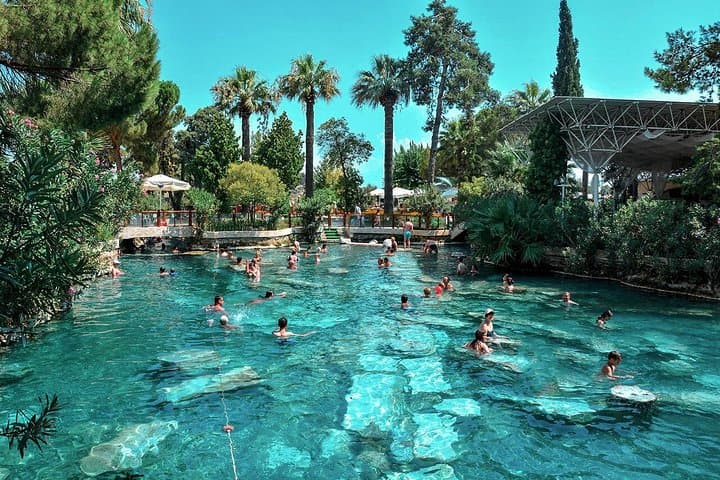
Swimming is restricted in many of the travertine pools to protect them; some designated thermal pools or modern spa facilities nearby allow bathing for a fee.
Plan 4–6 hours to walk the terraces, visit Hierapolis ruins, and allow time for photos and a relaxed lunch.
Hierapolis developed as a Roman spa city around natural thermal springs; its ruins include a well-preserved theater and an extensive necropolis reflecting centuries of settlement.
The travertine pools are fragile and managed to limit foot traffic; follow rules, avoid soaps/lotions in pools, and use marked paths to reduce erosion.
Turkey Travel Mart operates guided outdoor trips and adventures with an emphasis on safety, stewardship, and memorable experiences.
The morning light throws the travertine terraces into sharp relief, white calcium shelves stepping down toward pools the color of aged turquoise. You walk barefoot where water constantly reshapes the surface, each footfall sending tiny ripples through mineral-rich pools that seem to dare you to stay a while.
The morning light throws the travertine terraces into sharp relief, white calcium shelves stepping down toward pools the color of aged turquoise. You walk barefoot where water constantly reshapes the surface, each footfall sending tiny ripples through mineral-rich pools that seem to dare you to stay a while.
This landscape is geological theater: hot springs have been depositing calcium carbonate for millennia, creating the cascading travertine you see today. Above the terraces sit the ruins of Hierapolis, a Roman spa city whose monumental theater and necropolis frame centuries of human use—Pilgrims, Romans, and Ottoman travelers all came for the same thermal relief that draws visitors now.
Culture here mixes practical and sacred: baths were healing centers and social hubs, and stone inscriptions scattered among the ruins record lives connected to water. Local vendors and small cafés in the nearby village offer gözleme and tea—simple, practical refueling after a day on the terraces.
Practical guidance: aim for a midweek, early arrival to avoid crowds and midday heat; the site is best experienced at a relaxed pace over 4–6 hours. Bring a towel, sun protection, and shoes you can carry—walking barefoot is required on the travertines, and the sun reflects fiercely off white stone. Follow marked paths and observe restricted areas to protect delicate formations.
Expect a blend of easy walking on packed surfaces, a handful of stepped climbs around ancient ruins, and constant photo opportunities. Whether you come for geology, history, or the odd pleasure of warm water under your feet, Pamukkale delivers a day both sensory and instructive.