THE ADVENTURE COLLECTIVE® · Independent discovery and booking for outdoor travel

Explore the Australian story on the Somme with a full-day guided tour from Amiens. Visit Villers-Bretonneux, the Sir John Monash Centre, Lochnagar Crater and key memorials with thoughtful commentary and time for reflection.
Explore the Australian story on the Somme with a full-day guided tour from Amiens. Visit Villers-Bretonneux, the Sir John Monash Centre, Lochnagar Crater and key memorials with thoughtful commentary and time for reflection.
You step out of Amiens into low, green ridgelines that still carry the faint angles of trenches and shell-holes. A driver-guide with stories and maps moves the group between memorials, and the air—sometimes sharp with wind off the Somme valley—seems to hold the voices of letters read long ago.
Verified experiences and guided adventures in the surrounding area.
Operated by WW1 Battlefields guided tours: Brigitte De Cuyper from Get a Guide · Amiens, Hauts-de-France
You step out of Amiens into low, green ridgelines that still carry the faint angles of trenches and shell-holes. A driver-guide with stories and maps moves the group between memorials, and the air—sometimes sharp with wind off the Somme valley—seems to hold the voices of letters read long ago.
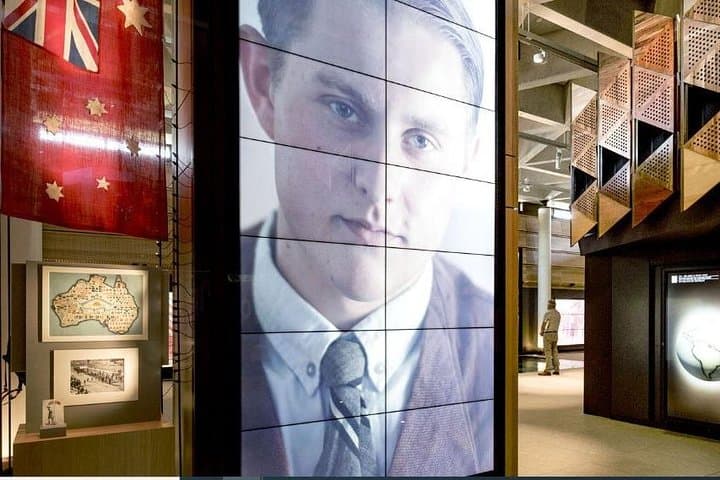
This tour threads through sites central to Australia’s Western Front story: Villers-Bretonneux and its Australian National Memorial, the Sir John Monash Centre’s immersive exhibits, the scale of Lochnagar Crater, and the Windmill and Tank memorials at Pozières. The landscape is chalky, carved by centuries of farming and a war that reshaped fields into graveyards and monuments. Local towns like Albert and Amiens bear layered histories from medieval trade to wartime rebuilding; the Basilica Notre-Dame de Brebières and rebuilt villages tell those stories in stone.
Expect guided narration that blends tactical history with personal letters, pauses for reflection at CWGC cemeteries, and a structured day that includes time for the Sir John Monash Centre and a lunch stop.
Practical guidance: dress in layers and sturdy shoes—some sites involve short, uneven walks across grass and mud. Bring water, a respectful mindset for cemeteries, and photo etiquette in sacred spaces. If you’re tracing a relative’s grave, notify the operator in advance so the route can accommodate a stop. The full-day format is paced: bring snacks, medication, and allow time to absorb exhibits rather than rushing between viewpoints.
moderate.
8 hours.
Suitable for travelers with a moderate fitness level who can walk short distances across uneven ground several times during the day.
Admission to the Sir John Monash Centre is included on this tour as described in the itinerary—other site admissions are generally free (memorials and cemeteries).
Yes, if it fits sensibly along the route; provide grave details when booking and the operator will advise feasibility.
The tour includes short walks on grass and uneven terrain; it’s not recommended for those who cannot walk short distances or who have serious back or heart conditions. Contact the operator for accessibility options.
Tours are typically conducted in English by guides knowledgeable about Australian involvement on the Western Front; confirm language at booking.
The Somme landscape preserves layers of conflict from 1916–1918; memorials like the Australian National Memorial and the Memorial of the Missing record casualties and missing servicemen from multiple nations.
CWGC-maintained cemeteries and memorials prioritize preservation and respectful land management; visitors are asked to stick to paths and avoid disturbing plantings or memorial surfaces.
WW1 Battlefields guided tours: Brigitte De Cuyper from Get a Guide operates guided outdoor trips and adventures with an emphasis on safety, stewardship, and memorable experiences.



You step out of Amiens into low, green ridgelines that still carry the faint angles of trenches and shell-holes. A driver-guide with stories and maps moves the group between memorials, and the air—sometimes sharp with wind off the Somme valley—seems to hold the voices of letters read long ago.
You step out of Amiens into low, green ridgelines that still carry the faint angles of trenches and shell-holes. A driver-guide with stories and maps moves the group between memorials, and the air—sometimes sharp with wind off the Somme valley—seems to hold the voices of letters read long ago.
This tour threads through sites central to Australia’s Western Front story: Villers-Bretonneux and its Australian National Memorial, the Sir John Monash Centre’s immersive exhibits, the scale of Lochnagar Crater, and the Windmill and Tank memorials at Pozières. The landscape is chalky, carved by centuries of farming and a war that reshaped fields into graveyards and monuments. Local towns like Albert and Amiens bear layered histories from medieval trade to wartime rebuilding; the Basilica Notre-Dame de Brebières and rebuilt villages tell those stories in stone.
Expect guided narration that blends tactical history with personal letters, pauses for reflection at CWGC cemeteries, and a structured day that includes time for the Sir John Monash Centre and a lunch stop.
Practical guidance: dress in layers and sturdy shoes—some sites involve short, uneven walks across grass and mud. Bring water, a respectful mindset for cemeteries, and photo etiquette in sacred spaces. If you’re tracing a relative’s grave, notify the operator in advance so the route can accommodate a stop. The full-day format is paced: bring snacks, medication, and allow time to absorb exhibits rather than rushing between viewpoints.