THE ADVENTURE COLLECTIVE® · Independent discovery and booking for outdoor travel

Trace Cape Town’s contested lines from the District Six Museum to the streets of Gugulethu on this reflective half-day private tour. Learn from ex-residents, visit memorials, and optionally add a Robben Island crossing to complete the story.
Trace Cape Town’s contested lines from the District Six Museum to the streets of Gugulethu on this reflective half-day private tour. Learn from ex-residents, visit memorials, and optionally add a Robben Island crossing to complete the story.
Morning light hits Table Mountain and the city exhales — your minivan eases away from the V&A Waterfront and into streets that still carry the weight of laws and lives rewritten by apartheid. At the District Six Museum, former residents’ testimonies cut through curated displays, placing human faces on the bureaucratic maps that once declared who could live where.
Verified experiences and guided adventures in the surrounding area.
Operated by Hotspots2c Tours · Cape Town, Western Cape
Morning light hits Table Mountain and the city exhales — your minivan eases away from the V&A Waterfront and into streets that still carry the weight of laws and lives rewritten by apartheid. At the District Six Museum, former residents’ testimonies cut through curated displays, placing human faces on the bureaucratic maps that once declared who could live where.
Geology and geography shaped the segregation: the city’s granite spine and the flat, sandy Cape Flats created natural divisions that planners weaponized. Today those same flats hold townships like Gugulethu and Langa, communities marked by corrugated roofs, bright laundry lines, and the steady rhythm of shebeens, churches and community gardens that push back against the past.
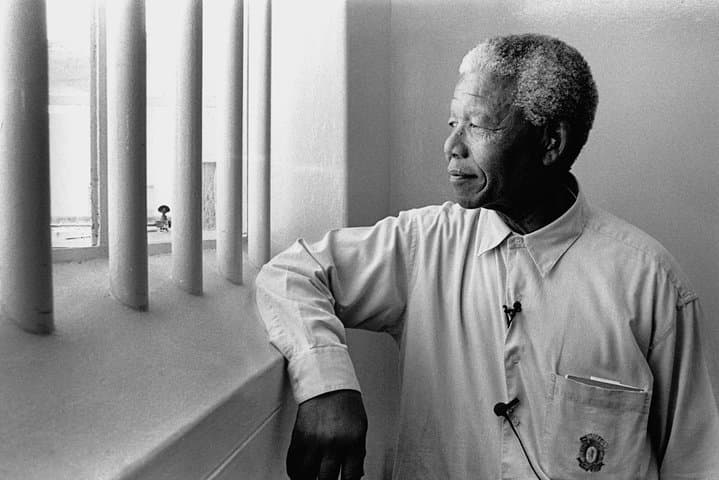
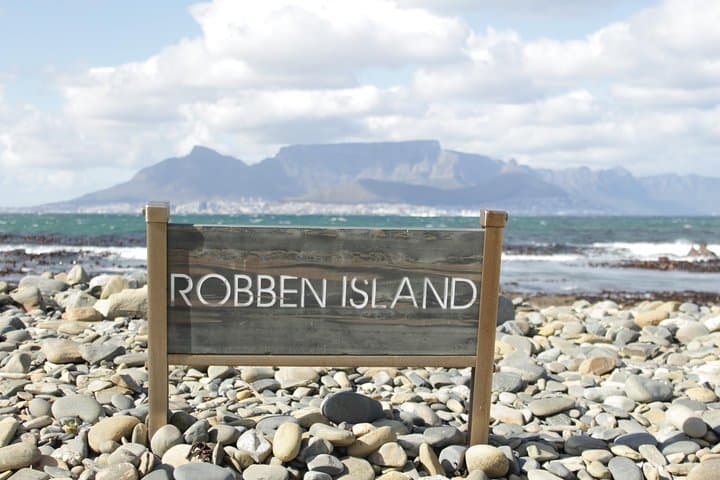
Cultural markers — the Amy Biehl Memorial, the Gugulethu 7 Monument and local street art — tell stories of struggle, loss and resilience. Optional Robben Island adds a maritime chapter: a short ferry crossing to a World Heritage site where political prisoners once laboured, now narrated by former inmates.
Practical guidance: expect a 6–8 hour private outing with hotel pickup in an air-conditioned minivan; walking sections are short but on uneven surfaces, so solid walking shoes are recommended. Book the Robben Island ferry separately in advance — slots fill quickly. Carry water, sun protection and small bills for tips or purchases at local stalls. Photograph respectfully; ask before taking portraits. If you want more time at a particular stop, the private format allows adjustments — tell your guide your priorities when booking. This is a day for listening, learning and returning to Cape Town with a clearer sense of how history shapes place and people.
easy.
6–8 hours.
Suitable for most fitness levels; involves short, unhurried walking and periods seated in a vehicle.
Robben Island is an optional add-on and must be booked separately; the tour can be scheduled around ferry times but availability is limited.
Guided visits are generally safe when conducted with a local guide who knows the neighborhood; follow your guide’s directions and avoid wandering off alone.
Yes — this is a private tour and the guide can adjust time spent at District Six, townships or the V&A Waterfront on request, subject to availability.
Children are welcome but must be accompanied by an adult; parts of the tour involve sobering historical content that may be sensitive for young kids.
District Six was declared a 'white' area under apartheid law in 1966; thousands were removed and homes demolished, a history preserved at the museum through residents’ testimonies.
Support local sustainability by buying from community projects and following guides’ advice to avoid disturbing fragile urban gardens and coastal wildlife.
Hotspots2c Tours operates guided outdoor trips and adventures with an emphasis on safety, stewardship, and memorable experiences.


Morning light hits Table Mountain and the city exhales — your minivan eases away from the V&A Waterfront and into streets that still carry the weight of laws and lives rewritten by apartheid. At the District Six Museum, former residents’ testimonies cut through curated displays, placing human faces on the bureaucratic maps that once declared who could live where.
Morning light hits Table Mountain and the city exhales — your minivan eases away from the V&A Waterfront and into streets that still carry the weight of laws and lives rewritten by apartheid. At the District Six Museum, former residents’ testimonies cut through curated displays, placing human faces on the bureaucratic maps that once declared who could live where.
Geology and geography shaped the segregation: the city’s granite spine and the flat, sandy Cape Flats created natural divisions that planners weaponized. Today those same flats hold townships like Gugulethu and Langa, communities marked by corrugated roofs, bright laundry lines, and the steady rhythm of shebeens, churches and community gardens that push back against the past.
Cultural markers — the Amy Biehl Memorial, the Gugulethu 7 Monument and local street art — tell stories of struggle, loss and resilience. Optional Robben Island adds a maritime chapter: a short ferry crossing to a World Heritage site where political prisoners once laboured, now narrated by former inmates.
Practical guidance: expect a 6–8 hour private outing with hotel pickup in an air-conditioned minivan; walking sections are short but on uneven surfaces, so solid walking shoes are recommended. Book the Robben Island ferry separately in advance — slots fill quickly. Carry water, sun protection and small bills for tips or purchases at local stalls. Photograph respectfully; ask before taking portraits. If you want more time at a particular stop, the private format allows adjustments — tell your guide your priorities when booking. This is a day for listening, learning and returning to Cape Town with a clearer sense of how history shapes place and people.