THE ADVENTURE COLLECTIVE® · Independent discovery and booking for outdoor travel

Traverse restored battlements, rugged ridgelines and lakeside sections on a six-day hike from Huanghuacheng to Jinshanling. This guided, multi-day route blends challenging terrain with rural hospitality and rich Ming-era history.
Traverse restored battlements, rugged ridgelines and lakeside sections on a six-day hike from Huanghuacheng to Jinshanling. This guided, multi-day route blends challenging terrain with rural hospitality and rich Ming-era history.
Dawn breaks on a stone spine that slices across northern hills — the Great Wall unfolds ahead, sometimes sheer and restored, sometimes ragged and vine-tangled. On this multi-day traverse you’ll move from lakeside ramparts at Huanghuacheng through the restored terraces of Mutianyu, the photographic jagged ridges of Jiankou and the formidable Ming-era battlements at Jinshanling, camping or staying in basic guesthouses each night.
Verified experiences and guided adventures in the surrounding area.
Operated by Real North Adventure · Beijing, Beijing
Dawn breaks on a stone spine that slices across northern hills — the Great Wall unfolds ahead, sometimes sheer and restored, sometimes ragged and vine-tangled. On this multi-day traverse you’ll move from lakeside ramparts at Huanghuacheng through the restored terraces of Mutianyu, the photographic jagged ridges of Jiankou and the formidable Ming-era battlements at Jinshanling, camping or staying in basic guesthouses each night.
The Wall is both a defensive monument and a living landscape. Built and rebuilt over centuries, much of what you walk dates to the Ming Dynasty; underfoot you’ll find repaired bricks, original watchtower bases and stretches where the structure returns to raw, crumbling stone. Geologically the route follows ridgelines carved by erosion; expect steep gradients, loose rock and moss in shaded gullies. Along the way you’ll pass small farming villages where local life continues: morning markets, lines of drying chilies and rural homestays run by families whose relationship with the Wall is practical as well as historical.
Practically, plan for long days on uneven stone steps and mixed trails — several segments require scrambling or careful footing. Hydration, sturdy waterproof boots and layered clothing are essential; a small daypack, trekking poles and a headlamp for early starts are highly recommended. Guides and a support vehicle reduce logistics: you won’t carry large loads, but you should be capable of repeated ascents and descents over consecutive days. Aim for spring or autumn to avoid peak summer heat and winter ice. With preparation, this route rewards hikers with expansive views, quiet tower-top moments and an intimate sense of one of the world’s longest man-made lines.
challenging.
6 days.
Be in good cardiovascular shape with experience on full-day hikes; you should be comfortable with repeated ascents, descents and some scrambling over consecutive days.
You should be comfortable hiking 4–7 hours a day on uneven terrain, with repeated climbs and descents; prior multi-day hiking experience is recommended.
Accommodations are basic in rural guesthouses: private or shared rooms, hot water and simple meals — not luxury lodgings but adequate for rest.
Jiankou includes exposed ridgelines and optional scrambles; some sections are best avoided without a guide or scrambling experience.
No — a support vehicle accompanies the group and accommodations are pre-arranged; you only need a daypack with water, snacks and essentials.
The sections hiked are primarily Ming Dynasty restorations and older ruined stretches — the Wall served as northern defense lines for Beijing across centuries of rebuilding.
Large visitor numbers and informal trails can erode stonework and hillside vegetation; stick to established paths, pack out waste and support local conservation fees when offered.
Real North Adventure operates guided outdoor trips and adventures with an emphasis on safety, stewardship, and memorable experiences.
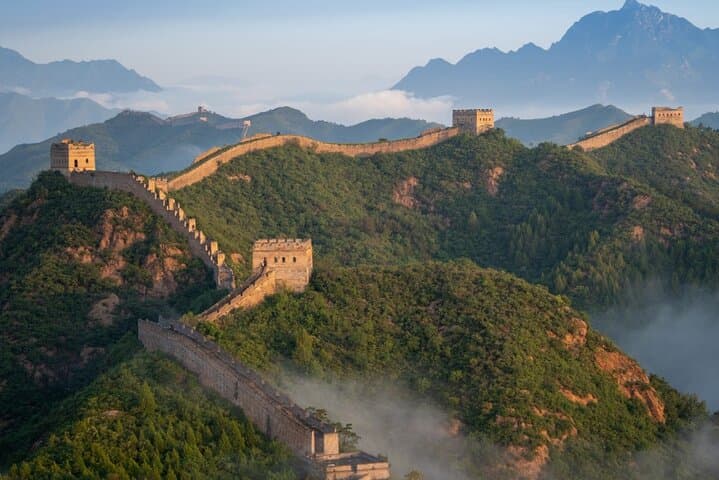
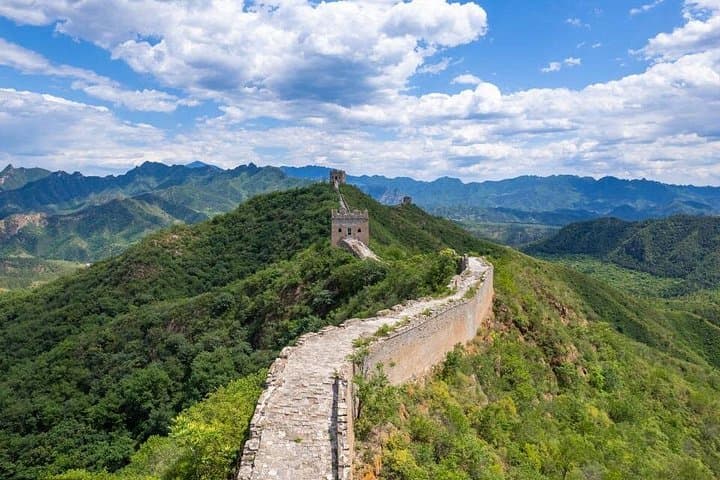
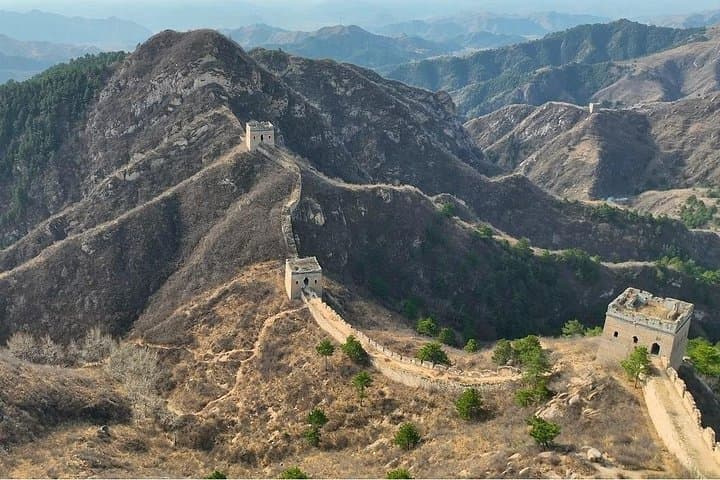
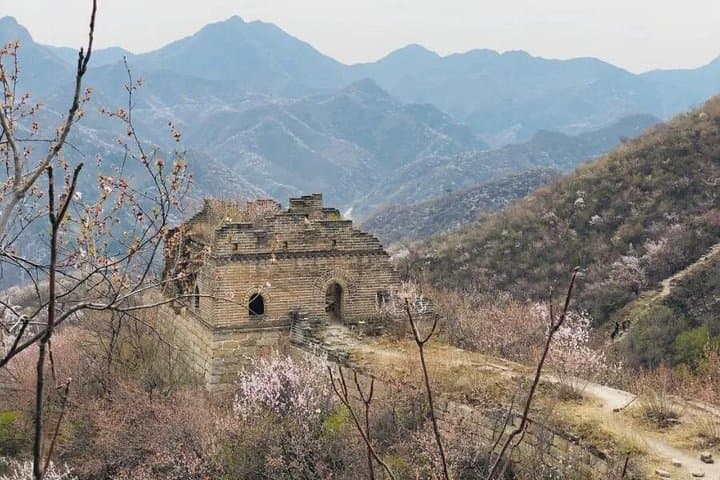
Dawn breaks on a stone spine that slices across northern hills — the Great Wall unfolds ahead, sometimes sheer and restored, sometimes ragged and vine-tangled. On this multi-day traverse you’ll move from lakeside ramparts at Huanghuacheng through the restored terraces of Mutianyu, the photographic jagged ridges of Jiankou and the formidable Ming-era battlements at Jinshanling, camping or staying in basic guesthouses each night.
Dawn breaks on a stone spine that slices across northern hills — the Great Wall unfolds ahead, sometimes sheer and restored, sometimes ragged and vine-tangled. On this multi-day traverse you’ll move from lakeside ramparts at Huanghuacheng through the restored terraces of Mutianyu, the photographic jagged ridges of Jiankou and the formidable Ming-era battlements at Jinshanling, camping or staying in basic guesthouses each night.
The Wall is both a defensive monument and a living landscape. Built and rebuilt over centuries, much of what you walk dates to the Ming Dynasty; underfoot you’ll find repaired bricks, original watchtower bases and stretches where the structure returns to raw, crumbling stone. Geologically the route follows ridgelines carved by erosion; expect steep gradients, loose rock and moss in shaded gullies. Along the way you’ll pass small farming villages where local life continues: morning markets, lines of drying chilies and rural homestays run by families whose relationship with the Wall is practical as well as historical.
Practically, plan for long days on uneven stone steps and mixed trails — several segments require scrambling or careful footing. Hydration, sturdy waterproof boots and layered clothing are essential; a small daypack, trekking poles and a headlamp for early starts are highly recommended. Guides and a support vehicle reduce logistics: you won’t carry large loads, but you should be capable of repeated ascents and descents over consecutive days. Aim for spring or autumn to avoid peak summer heat and winter ice. With preparation, this route rewards hikers with expansive views, quiet tower-top moments and an intimate sense of one of the world’s longest man-made lines.