THE ADVENTURE COLLECTIVE® · Independent discovery and booking for outdoor travel

Walk the remains of the Berlin Wall on a focused 3-hour route from Bernauer Straße to Mauerpark. This tour blends cold-war history, modern commemoration and reclaimed park space with practical stops and local context.
Walk the remains of the Berlin Wall on a focused 3-hour route from Bernauer Straße to Mauerpark. This tour blends cold-war history, modern commemoration and reclaimed park space with practical stops and local context.
You step off the U-Bahn and the city’s hum falls away into a long, narrow strip of open ground where concrete slabs, watchtower impressions and iron posts still puncture the horizon.
Verified experiences and guided adventures in the surrounding area.
Operated by Behzad · Berlin, Berlin
You step off the U-Bahn and the city’s hum falls away into a long, narrow strip of open ground where concrete slabs, watchtower impressions and iron posts still puncture the horizon.
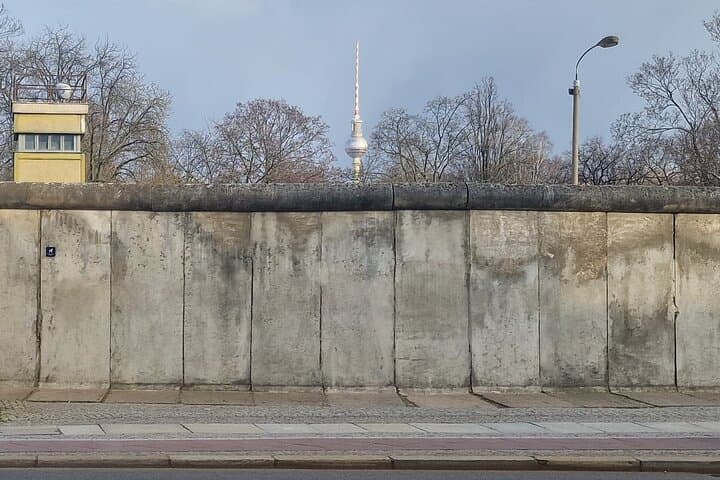
This 3-hour walking tour traces that scar on the city — from an abandoned bridge that once spanned the border to the Berlin Wall Memorial on Bernauer Straße, where a preserved 70-meter original section sits within a 1.4 km memorial strip. The route moves through Mauerpark, home to the weekend flea market and street musicians, and finishes at the former death strip’s Rabbit Field, a grassy expanse that holds stories of escape and loss.
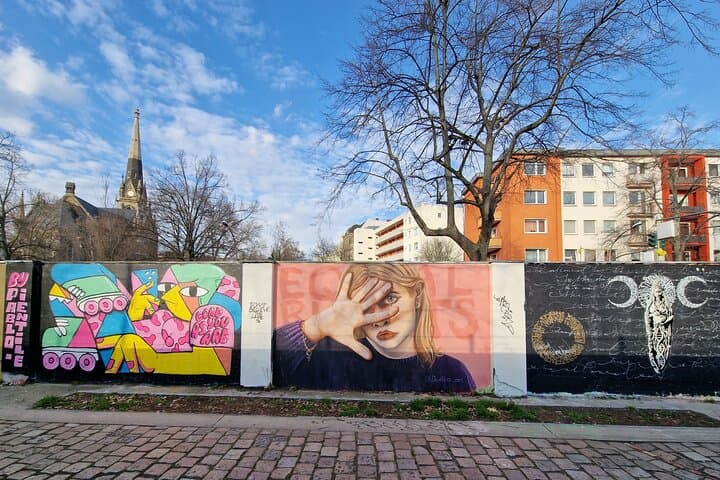
Historically the wall divided Berlin from 1961 to 1989, a Cold War boundary that altered neighborhoods, transit lines and daily life; today the route reveals how urban fabric, memory and art layered over that division. Geologically flat and urban, the walk is measured in city blocks rather than climbs — expect paved paths, occasional cobblestones and tramlines. Culturally, the tour highlights local memorial architecture (Chapel of Reconciliation, documentation center) and community reclaiming of public space in parks and markets.
Practical guidance: plan for roughly 3–5 km of walking on mostly flat terrain, bring comfortable shoes and a refillable water bottle, and allow time afterward to explore the documentation center. Public transit is nearby and the meeting point is easily accessed by U-Bahn or S‑Bahn. The tour is best taken in morning light for clearer interpretation and fewer market crowds.
moderate.
3 hours.
Moderate — expect continuous walking at a steady pace with short standing explanations; suitable for active travelers.
Expect about 3–5 km of walking over mostly flat, paved city paths with several stops for interpretation.
Parts of the route include paved and cobbled surfaces; some memorial sections are accessible but check with the operator in advance for detailed accessibility info.
Language availability depends on the operator’s schedule — check the booking page for current options or ask about small-group language availability when you book.
Full refunds are typically available if you cancel at least 24 hours before departure; check your booking confirmation for specifics.
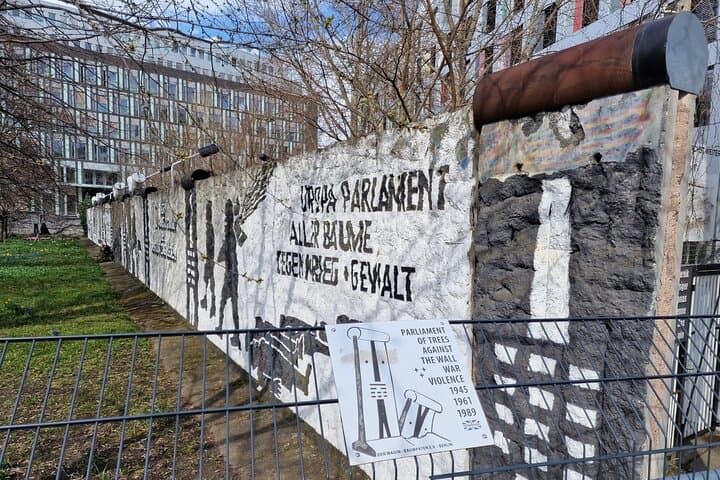
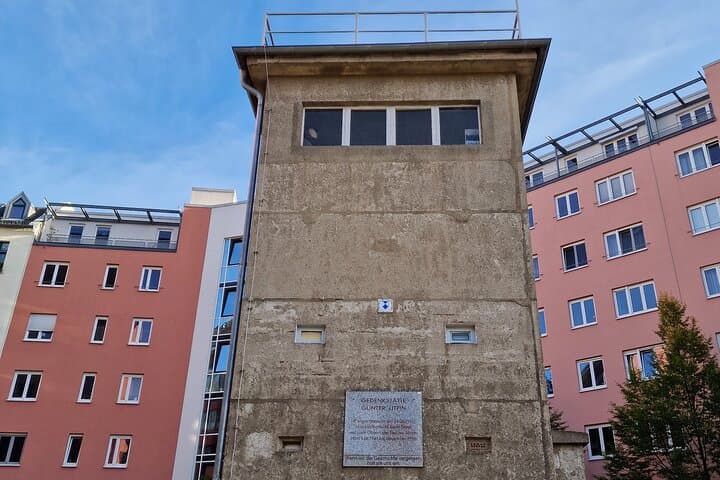
The Berlin Wall, erected in 1961 and opened in 1989, cut neighborhoods and transit lines; the Bernauer Straße memorial preserves original border architecture and documents escape attempts and deaths.
The memorial balances preservation of original border features with green-space restoration; visitors are asked to stick to paths, avoid disturbing plantings and to support on-site educational programs.
Behzad operates guided outdoor trips and adventures with an emphasis on safety, stewardship, and memorable experiences.
You step off the U-Bahn and the city’s hum falls away into a long, narrow strip of open ground where concrete slabs, watchtower impressions and iron posts still puncture the horizon.
You step off the U-Bahn and the city’s hum falls away into a long, narrow strip of open ground where concrete slabs, watchtower impressions and iron posts still puncture the horizon.
This 3-hour walking tour traces that scar on the city — from an abandoned bridge that once spanned the border to the Berlin Wall Memorial on Bernauer Straße, where a preserved 70-meter original section sits within a 1.4 km memorial strip. The route moves through Mauerpark, home to the weekend flea market and street musicians, and finishes at the former death strip’s Rabbit Field, a grassy expanse that holds stories of escape and loss.
Historically the wall divided Berlin from 1961 to 1989, a Cold War boundary that altered neighborhoods, transit lines and daily life; today the route reveals how urban fabric, memory and art layered over that division. Geologically flat and urban, the walk is measured in city blocks rather than climbs — expect paved paths, occasional cobblestones and tramlines. Culturally, the tour highlights local memorial architecture (Chapel of Reconciliation, documentation center) and community reclaiming of public space in parks and markets.
Practical guidance: plan for roughly 3–5 km of walking on mostly flat terrain, bring comfortable shoes and a refillable water bottle, and allow time afterward to explore the documentation center. Public transit is nearby and the meeting point is easily accessed by U-Bahn or S‑Bahn. The tour is best taken in morning light for clearer interpretation and fewer market crowds.