THE ADVENTURE COLLECTIVE® · Independent discovery and booking for outdoor travel

Walk trenches, peer into bunkers and hear firsthand diary entries on a 2.5-hour guided tour of the Argonne Forest. This tour blends rugged terrain with concise historical context — ideal for travelers who want an immersive, honest look at First World War frontline life.
Walk trenches, peer into bunkers and hear firsthand diary entries on a 2.5-hour guided tour of the Argonne Forest. This tour blends rugged terrain with concise historical context — ideal for travelers who want an immersive, honest look at First World War frontline life.
You step off the lane and the forest swallows the modern world — pine needles muffling your footsteps, a low wind nudging pines that once hid rifle pits. The guide pauses at a ragged earthwork, reads a soldier’s diary aloud, and suddenly the scrubby slopes and sunlit clearings feel like the front line.
Verified experiences and guided adventures in the surrounding area.
Operated by Promenade 14-18 · Sainte-Menehould, Marne
You step off the lane and the forest swallows the modern world — pine needles muffling your footsteps, a low wind nudging pines that once hid rifle pits. The guide pauses at a ragged earthwork, reads a soldier’s diary aloud, and suddenly the scrubby slopes and sunlit clearings feel like the front line.
The Argonne Forest was a hard, wooded barrier in the First World War, ground for patrols, tunnels, field hospitals and the grinding Meuse-Argonne offensive of 1918. Geologically it’s compact sandstone and clay, producing narrow ridges, wet hollows and drainage that quickly turns paths to mud after rain. Culturally the area holds layers of memory: French, German, and American markers, small cemeteries, and village plaques where civilians returned to rebuild.
On a 2.5-hour guided walk you’ll alternately follow easier paved stretches and clamber through preserved trench segments, peer into bunkers and camp sites, and enter narrow dugouts where the light thins. Guides read contemporary diary entries at the actual spots where they were written, giving a human scale to the logistics and tactics you see.
Practical guidance: wear waterproof boots and long pants — nettles and mud are common. Bring a headlamp or flashlight for dark bunkers, expect uneven footing and 2–3 hours of steady walking, and choose winter for clearer trench lines when undergrowth is low. Respect all memorial sites; do not touch or remove artifacts. If you want deeper context, plan time in Reims or Sainte-Menehould to visit museums and local memorials before or after the walk.
moderate.
2–3 hours.
Moderate fitness required: steady walking over uneven, sometimes steep terrain with occasional short climbs.
The tour is moderate: expect 2.5 hours of walking over uneven, sometimes muddy terrain with short climbs; a reasonable level of fitness and sure-footedness is required.
Guides lead visits to preserved trenches and bunkers; follow their instructions, avoid unstable areas, and use a flashlight for dark spaces.
Tours are typically offered in the language listed at booking; private tours may accommodate other languages on request — confirm when you reserve.
You may encounter remnants like rusted metal or concrete, but removing artifacts is prohibited; report finds to your guide to ensure preservation and safety.
The Argonne was a heavily contested wooded zone in WWI, and sites here reflect patrols, field hospitals and the Meuse-Argonne offensive that helped end the war in 1918.
Sites are fragile: stay on marked paths, don’t remove artifacts, and follow guide instructions to limit erosion and protect memorials.
Promenade 14-18 operates guided outdoor trips and adventures with an emphasis on safety, stewardship, and memorable experiences.

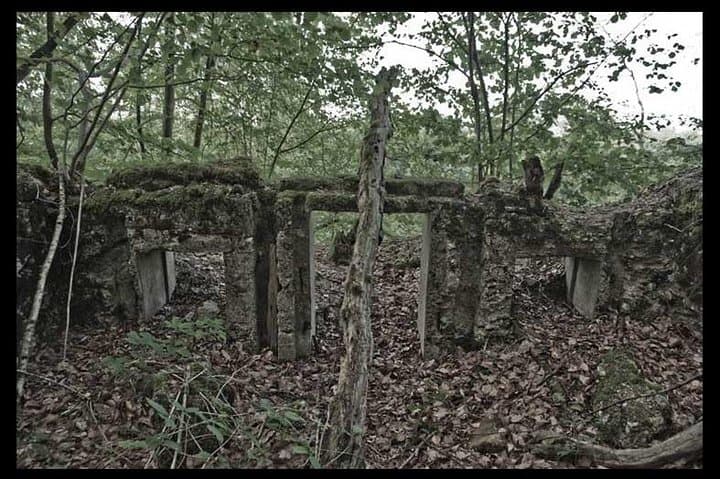
You step off the lane and the forest swallows the modern world — pine needles muffling your footsteps, a low wind nudging pines that once hid rifle pits. The guide pauses at a ragged earthwork, reads a soldier’s diary aloud, and suddenly the scrubby slopes and sunlit clearings feel like the front line.
You step off the lane and the forest swallows the modern world — pine needles muffling your footsteps, a low wind nudging pines that once hid rifle pits. The guide pauses at a ragged earthwork, reads a soldier’s diary aloud, and suddenly the scrubby slopes and sunlit clearings feel like the front line.
The Argonne Forest was a hard, wooded barrier in the First World War, ground for patrols, tunnels, field hospitals and the grinding Meuse-Argonne offensive of 1918. Geologically it’s compact sandstone and clay, producing narrow ridges, wet hollows and drainage that quickly turns paths to mud after rain. Culturally the area holds layers of memory: French, German, and American markers, small cemeteries, and village plaques where civilians returned to rebuild.
On a 2.5-hour guided walk you’ll alternately follow easier paved stretches and clamber through preserved trench segments, peer into bunkers and camp sites, and enter narrow dugouts where the light thins. Guides read contemporary diary entries at the actual spots where they were written, giving a human scale to the logistics and tactics you see.
Practical guidance: wear waterproof boots and long pants — nettles and mud are common. Bring a headlamp or flashlight for dark bunkers, expect uneven footing and 2–3 hours of steady walking, and choose winter for clearer trench lines when undergrowth is low. Respect all memorial sites; do not touch or remove artifacts. If you want deeper context, plan time in Reims or Sainte-Menehould to visit museums and local memorials before or after the walk.