THE ADVENTURE COLLECTIVE® · Independent discovery and booking for outdoor travel

A focused 2.5-hour walking tour from Battery Park to the 9/11 Memorial that blends financial history, architectural context, and first-hand accounts of September 11. Small groups and a licensed local guide make this a reflective and informative experience.
A focused 2.5-hour walking tour from Battery Park to the 9/11 Memorial that blends financial history, architectural context, and first-hand accounts of September 11. Small groups and a licensed local guide make this a reflective and informative experience.
You step out of the subway into Battery Park and the harbor air tugs at your collar as the group gathers by Castle Clinton. The walk unfolds at a steady, reflective pace: cobbled lanes of the Financial District give way to the hush around the twin Memorial pools where water pulls at the edges of a city memory.
Verified experiences and guided adventures in the surrounding area.
Operated by My NY Tours, LLC · New York, New York
You step out of the subway into Battery Park and the harbor air tugs at your collar as the group gathers by Castle Clinton. The walk unfolds at a steady, reflective pace: cobbled lanes of the Financial District give way to the hush around the twin Memorial pools where water pulls at the edges of a city memory.
This 2.5-hour, 1.4-mile route threads together the history of New York’s financial rise and the seismic events of September 11, 2001. Guides contrast early 20th-century Wall Street architecture and sites like Federal Hall with the modern geometry of the rebuilt World Trade Center complex and the Oculus. Geology and urban planning appear in small ways — landfill and bedrock that shaped Lower Manhattan’s shoreline and its buried histories.
Culturally, the tour balances public grief with civic restoration: visitors encounter memorial inscriptions, firefighter bas-reliefs, and The Sphere — each a marker of loss, resilience and civic memory. Expect personal stories from survivors and first responders delivered by a licensed local guide who situates eyewitness accounts in broader timelines.
Practically, the route is mostly even pavement but includes stairs and crowds. There are no scheduled restroom stops, so plan ahead. Morning tours avoid peak crowds; bring a refillable water bottle, photo-ready camera, and a MetroCard for easy return. The tour is intimate by design — groups stay small to allow quiet reflection — and operates in most weather, so check forecasts and layer accordingly.
moderate.
2–3 hours.
Suitable for those with moderate fitness; involves continuous walking over pavement and some stairs.
The tour runs about 2.5 hours and covers roughly 1.4 miles (2.25 km) at a steady, reflective pace.
There are no scheduled restroom stops once the tour begins; guests are advised to use facilities beforehand.
Content is serious and not recommended for younger children; the provider advises children be accompanied by adults and typically recommends ages 13+.
The tour includes uneven pavement and stairs and is not recommended for those with significant mobility limitations or certain medical conditions.
Lower Manhattan’s shoreline was extended with landfill over centuries; Wall Street’s origins date to Dutch colonial times and grew into a global financial hub before the World Trade Center reshaped the skyline.
The 9/11 Memorial is managed with strict visitor protocols to protect inscriptions and plantings; visitors are asked to stay on paths, avoid touching engraved panels, and follow quiet-use guidelines.
My NY Tours, LLC operates guided outdoor trips and adventures with an emphasis on safety, stewardship, and memorable experiences.
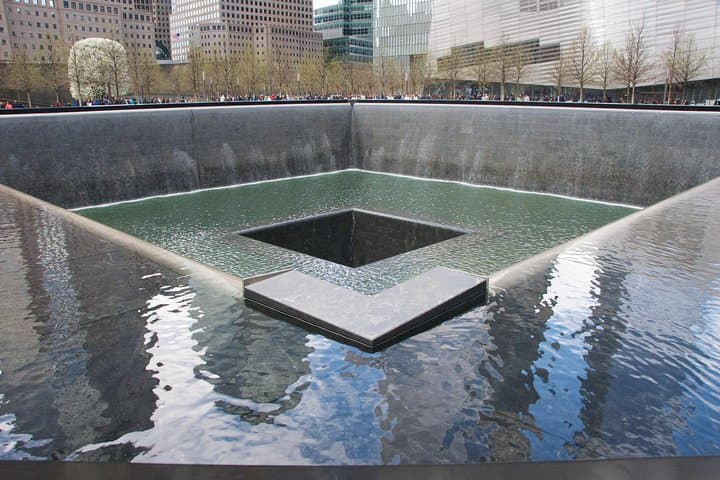
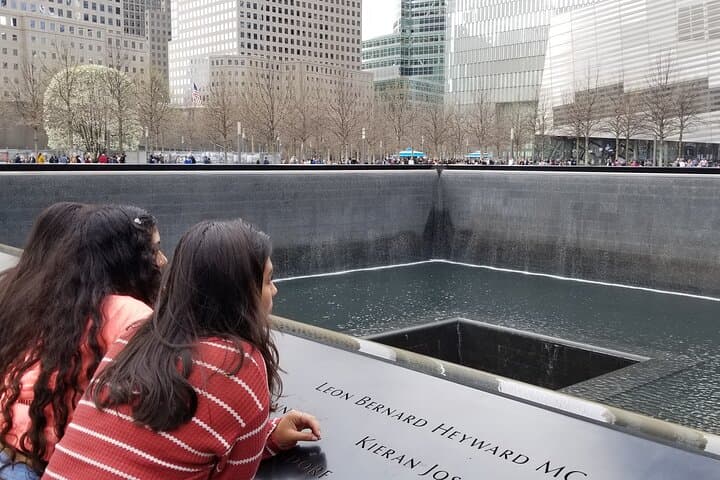
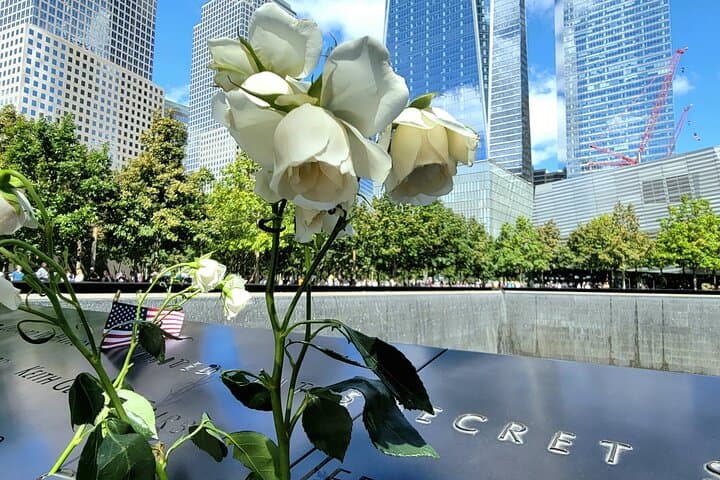
You step out of the subway into Battery Park and the harbor air tugs at your collar as the group gathers by Castle Clinton. The walk unfolds at a steady, reflective pace: cobbled lanes of the Financial District give way to the hush around the twin Memorial pools where water pulls at the edges of a city memory.
You step out of the subway into Battery Park and the harbor air tugs at your collar as the group gathers by Castle Clinton. The walk unfolds at a steady, reflective pace: cobbled lanes of the Financial District give way to the hush around the twin Memorial pools where water pulls at the edges of a city memory.
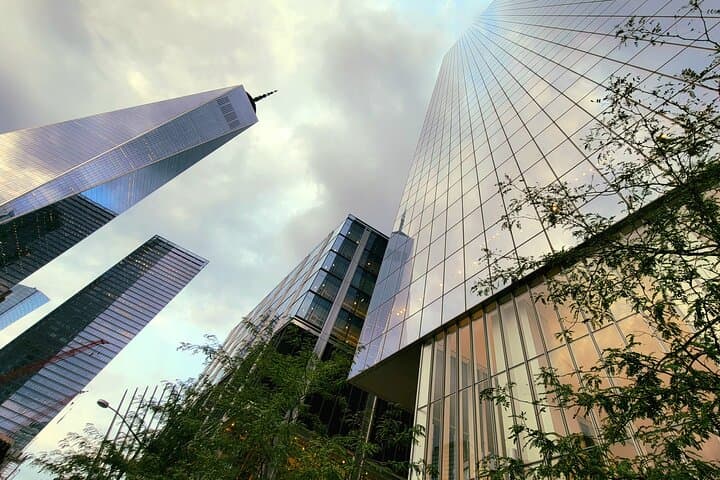
This 2.5-hour, 1.4-mile route threads together the history of New York’s financial rise and the seismic events of September 11, 2001. Guides contrast early 20th-century Wall Street architecture and sites like Federal Hall with the modern geometry of the rebuilt World Trade Center complex and the Oculus. Geology and urban planning appear in small ways — landfill and bedrock that shaped Lower Manhattan’s shoreline and its buried histories.
Culturally, the tour balances public grief with civic restoration: visitors encounter memorial inscriptions, firefighter bas-reliefs, and The Sphere — each a marker of loss, resilience and civic memory. Expect personal stories from survivors and first responders delivered by a licensed local guide who situates eyewitness accounts in broader timelines.
Practically, the route is mostly even pavement but includes stairs and crowds. There are no scheduled restroom stops, so plan ahead. Morning tours avoid peak crowds; bring a refillable water bottle, photo-ready camera, and a MetroCard for easy return. The tour is intimate by design — groups stay small to allow quiet reflection — and operates in most weather, so check forecasts and layer accordingly.