THE ADVENTURE COLLECTIVE® · Independent discovery and booking for outdoor travel

Walk the ramparts of Terezín with an accredited local guide and see the fort, ghetto, museum and lesser-known corners that reveal everyday life and resistance under extreme conditions. This private day tour from Prague blends detailed history with quiet, solemn reflection.
Walk the ramparts of Terezín with an accredited local guide and see the fort, ghetto, museum and lesser-known corners that reveal everyday life and resistance under extreme conditions. This private day tour from Prague blends detailed history with quiet, solemn reflection.
You enter through a heavy gate, the air cool and flat across the fortress plain, and the stone walls close in like pages of a history book. Terezín’s brick ramparts, austere and geometric, define a place where everyday landscape — low river meadows, hawthorn hedges — meets an engineered military outline that became an instrument of atrocity.
Verified experiences and guided adventures in the surrounding area.
Operated by Expats Explore Prague · Terezín, Ústí nad Labem Region
You enter through a heavy gate, the air cool and flat across the fortress plain, and the stone walls close in like pages of a history book. Terezín’s brick ramparts, austere and geometric, define a place where everyday landscape — low river meadows, hawthorn hedges — meets an engineered military outline that became an instrument of atrocity.
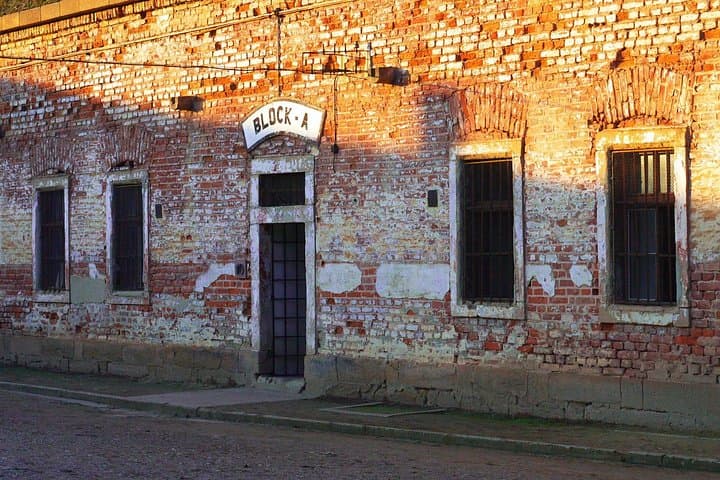
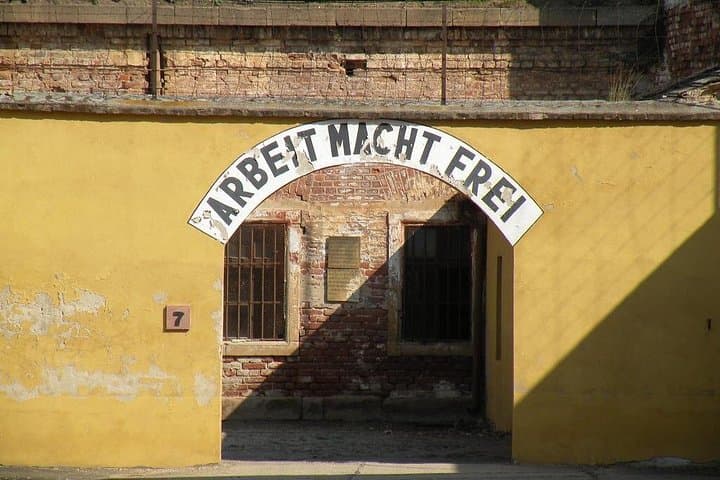
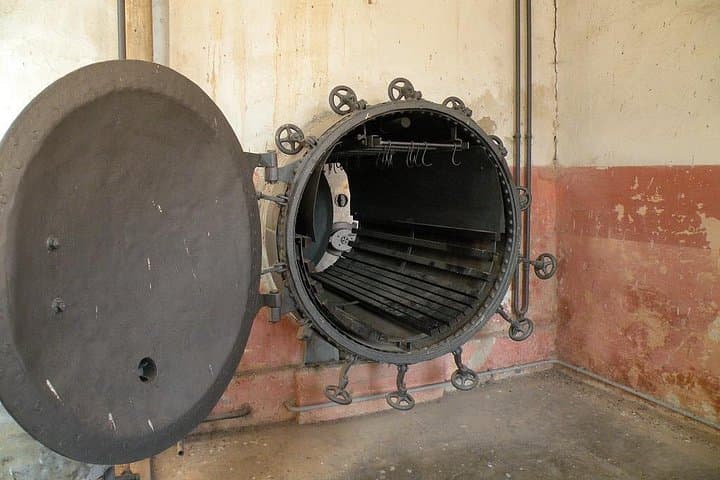
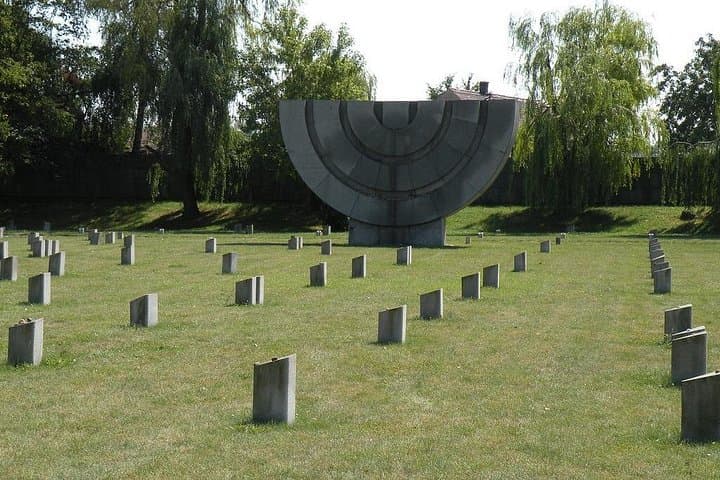
Built in the late 18th century as an Austro-Hungarian fortress, Theresienstadt was repurposed by the Nazis into a ghetto and transit camp. On a guided day tour you move from the mass graves of the cemetery to the reception rooms and cramped barracks, then into museums that preserve drawings, letters and makeshift cultural artifacts created under impossible conditions. The geology is simple: floodplain soils and flat terrain that let the fortress dominate the horizon; the setting emphasizes the claustrophobia inside the walls.
Tereza—an accredited local guide—brings both documentary detail and human context: who lived here, how people tried to keep dignity through concerts and lectures, and why remembering matters. Expect candid, often difficult testimony and access to spots many visitors miss: parts of the Small Fortress complex and archival rooms in the Ghetto Museum.
Practical notes: the tour runs about six hours from Prague with hotel pickup available. Wear comfortable walking shoes and layers; sections are exposed to wind and weather. Photography is generally allowed in outdoor areas but is restricted inside certain exhibits—follow your guide. This is an emotionally intense visit—plan quiet time afterward and be prepared to process what you hear.
easy.
6 hours.
Suitable for most fitness levels; involves several hours of standing and walking on flat but sometimes uneven surfaces.
Admission policies vary—confirm with the operator when booking; some entrance fees are included in private tours, others are paid on site.
The full private tour is about six hours from Prague and typically covers the fortress, Ghetto Museum, Small Fortress (Gestapo prison area), cemetery and selected archival exhibits.
Older children and teens who can handle serious historical content are suitable; the guide can adapt the narrative to age and sensitivity levels on request.
Terezín has many outdoor and historic sections with uneven surfaces and limited ramps; contact the guide ahead of time to discuss mobility needs and possible adaptations.
Originally an 18th-century Austro-Hungarian fortress, Terezín was converted by the Nazi regime into a ghetto and transit camp where tens of thousands were deported and many perished.
The site is preserved as a memorial and museum; visitors are asked to respect exhibits and remain on marked paths to protect fragile artifacts and structures.
Expats Explore Prague operates guided outdoor trips and adventures with an emphasis on safety, stewardship, and memorable experiences.
You enter through a heavy gate, the air cool and flat across the fortress plain, and the stone walls close in like pages of a history book. Terezín’s brick ramparts, austere and geometric, define a place where everyday landscape — low river meadows, hawthorn hedges — meets an engineered military outline that became an instrument of atrocity.
You enter through a heavy gate, the air cool and flat across the fortress plain, and the stone walls close in like pages of a history book. Terezín’s brick ramparts, austere and geometric, define a place where everyday landscape — low river meadows, hawthorn hedges — meets an engineered military outline that became an instrument of atrocity.
Built in the late 18th century as an Austro-Hungarian fortress, Theresienstadt was repurposed by the Nazis into a ghetto and transit camp. On a guided day tour you move from the mass graves of the cemetery to the reception rooms and cramped barracks, then into museums that preserve drawings, letters and makeshift cultural artifacts created under impossible conditions. The geology is simple: floodplain soils and flat terrain that let the fortress dominate the horizon; the setting emphasizes the claustrophobia inside the walls.
Tereza—an accredited local guide—brings both documentary detail and human context: who lived here, how people tried to keep dignity through concerts and lectures, and why remembering matters. Expect candid, often difficult testimony and access to spots many visitors miss: parts of the Small Fortress complex and archival rooms in the Ghetto Museum.
Practical notes: the tour runs about six hours from Prague with hotel pickup available. Wear comfortable walking shoes and layers; sections are exposed to wind and weather. Photography is generally allowed in outdoor areas but is restricted inside certain exhibits—follow your guide. This is an emotionally intense visit—plan quiet time afterward and be prepared to process what you hear.