THE ADVENTURE COLLECTIVE® · Independent discovery and booking for outdoor travel

Explore Tbilisi on foot with a full‑day walking tour that threads Old Tbilisi’s sulfur baths, Narikala Fortress and Rustaveli Avenue. Expect cobbled streets, thermal springs, and layered history across a 6–7 hour route.
Explore Tbilisi on foot with a full‑day walking tour that threads Old Tbilisi’s sulfur baths, Narikala Fortress and Rustaveli Avenue. Expect cobbled streets, thermal springs, and layered history across a 6–7 hour route.
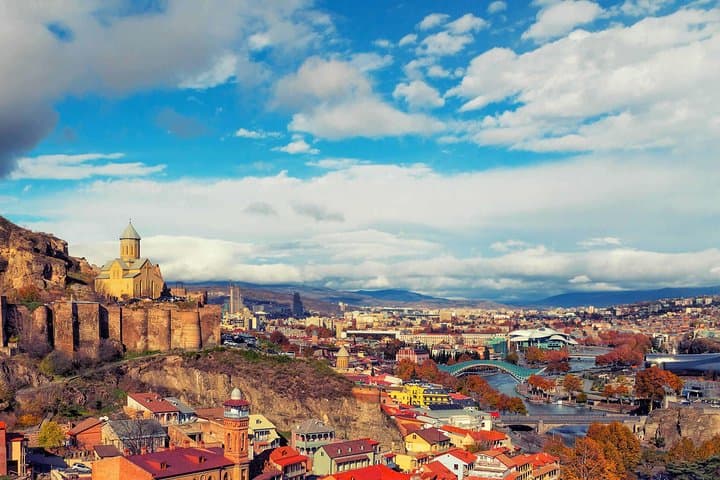
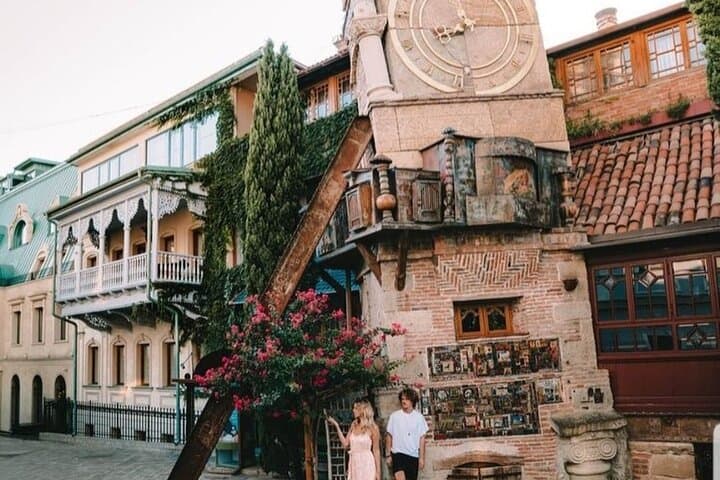
You step out onto cobbled lanes where balconies lean over narrow streets and the Mtkvari River threads the city like a cooling seam. Steam rises from the sulfur baths in Abanotubani; the sound of vendors, church bells and distant traffic braid together as you climb toward Narikala and the plateau that watches over Tbilisi.
Verified experiences and guided adventures in the surrounding area.
Operated by Individual Entrepreneur Vazha Gakharia · Tbilisi, Tbilisi
You step out onto cobbled lanes where balconies lean over narrow streets and the Mtkvari River threads the city like a cooling seam. Steam rises from the sulfur baths in Abanotubani; the sound of vendors, church bells and distant traffic braid together as you climb toward Narikala and the plateau that watches over Tbilisi.
Tbilisi sits at the crossroads of Europe and Asia along the historic Silk Road. Its architecture layers 6th‑century churches, 19th‑century synagogues, Ottoman‑style bathhouses and modern glass bridges. Geologically the city occupies a river valley fed by thermal springs—those warm waters explain the old bath quarter and the historic settlement pattern around it.
Culturally, expect a city that keeps its wine and stories close: from King Vakhtang Gorgasali’s founding legend to Kartlis Deda standing guard on the ridge. Modern Rustaveli Avenue contrasts with Old Tbilisi’s tight lanes, offering theaters, cafés and Soviet‑era facades alongside contemporary galleries.
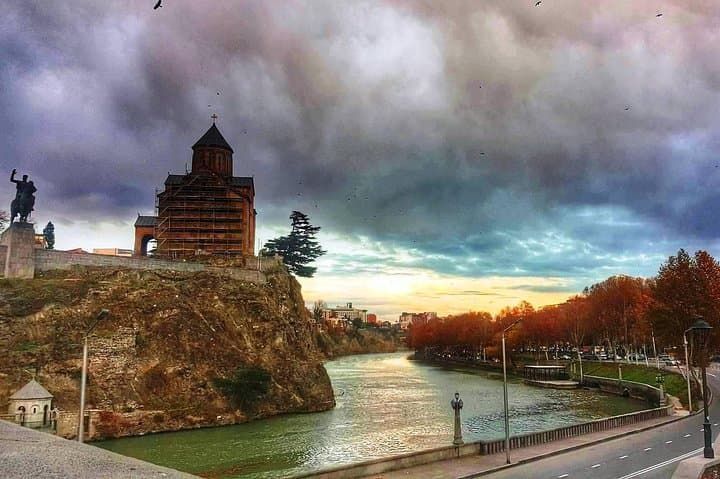
Practical guidance: the full walking tour runs about 6–7 hours and covers uneven cobbles, short stair climbs and some steep streets—comfortable footwear is essential. Carry a light daypack, water, and a compact rain layer; timing mid‑morning to late afternoon avoids the hottest sun and gives best light for views from Metekhi and Narikala.
Plan for moderate crowds at the sulfur baths and Peace Bridge; bring local currency for small purchases and be ready to move at a steady but unhurried pace. This is a day of urban exploration where history, geology and local life meet on foot.
easy.
6–7 hours.
Suitable for most fitness levels; expect 3–5 miles of walking with stairs and short steep sections.
The tour runs approximately 6–7 hours (360–420 minutes) and covers the main historic sights of central Tbilisi.
Guide service and bottled water are included; individual attraction fees or optional entries may not be covered—confirm with the operator.
Yes—it's listed as suitable for all fitness levels, though participants should be able to walk several miles with occasional stairs.
Yes—Tbilisi has taxis and public transit from central areas; your guide can advise routes and approximate costs to reach onward destinations.
Tbilisi’s origins are linked to 5th–6th century accounts of King Vakhtang Gorgasali and the discovery of thermal springs; the city later became a Silk Road crossroads blending Persian, Ottoman, Russian and Georgian influences.
Urban conservation focuses on protecting historic façades, regulating new development and managing tourist impact around fragile bathhouses and narrow streets.
Individual Entrepreneur Vazha Gakharia operates guided outdoor trips and adventures with an emphasis on safety, stewardship, and memorable experiences.

You step out onto cobbled lanes where balconies lean over narrow streets and the Mtkvari River threads the city like a cooling seam. Steam rises from the sulfur baths in Abanotubani; the sound of vendors, church bells and distant traffic braid together as you climb toward Narikala and the plateau that watches over Tbilisi.
You step out onto cobbled lanes where balconies lean over narrow streets and the Mtkvari River threads the city like a cooling seam. Steam rises from the sulfur baths in Abanotubani; the sound of vendors, church bells and distant traffic braid together as you climb toward Narikala and the plateau that watches over Tbilisi.
Tbilisi sits at the crossroads of Europe and Asia along the historic Silk Road. Its architecture layers 6th‑century churches, 19th‑century synagogues, Ottoman‑style bathhouses and modern glass bridges. Geologically the city occupies a river valley fed by thermal springs—those warm waters explain the old bath quarter and the historic settlement pattern around it.
Culturally, expect a city that keeps its wine and stories close: from King Vakhtang Gorgasali’s founding legend to Kartlis Deda standing guard on the ridge. Modern Rustaveli Avenue contrasts with Old Tbilisi’s tight lanes, offering theaters, cafés and Soviet‑era facades alongside contemporary galleries.
Practical guidance: the full walking tour runs about 6–7 hours and covers uneven cobbles, short stair climbs and some steep streets—comfortable footwear is essential. Carry a light daypack, water, and a compact rain layer; timing mid‑morning to late afternoon avoids the hottest sun and gives best light for views from Metekhi and Narikala.
Plan for moderate crowds at the sulfur baths and Peace Bridge; bring local currency for small purchases and be ready to move at a steady but unhurried pace. This is a day of urban exploration where history, geology and local life meet on foot.